은밀한 부위 냄새(회음부 액취증)비침습 치료 완전 가이드
바늘구멍만 남고 봉합 없는 열분해술
은밀한 부위 냄새(회음부 액취증)는 음모로 덮인 부위의 아포크린선 분비에서 비롯됩니다. 회음부의 특수한 위치와 관리 어려움을 고려하여, 리우스메드 클리닉의 유달유 원장은 "비침습 열분해술(Non-invasive Thermolysis)"을 회음부의 주된 치료법으로 사용합니다. 진입점은 마취 바늘구멍 크기뿐이며 개방 상처와 봉합이 없어, 감염 위험이 수술보다 낮습니다(0은 아닙니다). 본원 시술 후 관찰에서 발한량은 약 80% 줄었고, 냄새도 대부분 뚜렷하게 줄었습니다. 리우스메드는 대만에서 회음부 열분해술을 시행하는 몇 안 되는 클리닉 중 하나입니다.
왜 리우스메드에서 회음부 액취증을 치료하나
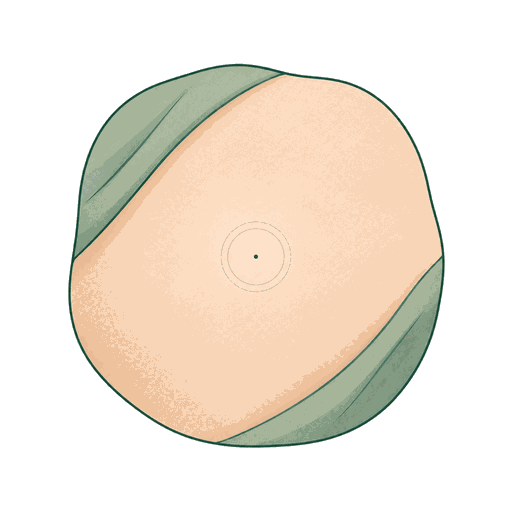
비침습 열분해, 바늘구멍만
회음·서혜부의 아포크린샘을 열에너지로 처리하며, 진입점은 마취 바늘구멍 크기뿐이고 절개나 봉합이 없습니다.

프라이버시 진료
독립 진료실과 프라이버시 절차로 진료의 부담을 줄입니다.

완화 진통
전신마취 없이 완화 진통으로 시술 중 불편을 크게 줄입니다.
은밀한 부위(회음부) 냄새는 어떻게 치료하나요? 수술이 필요한가요?
회음부 냄새는 주로 이 부위의 아포크린샘과 땀샘에서 생깁니다. 감염과 치유 위험을 고려해 본원은 절개 수술 대신 비침습 열분해술을 사용합니다. 열에너지로 샘을 위축시키며, 진입점은 마취 바늘구멍 크기뿐이고 절개나 봉합이 없습니다. 부드러운 마취로 통증을 대폭 줄여 대부분 경미한 느낌만 있습니다. 개방창이 없어 감염 위험은 수술보다 낮지만 0은 아닙니다. 본원 시술 후 관찰에서 땀은 약 80% 줄었고, 냄새도 대부분 뚜렷하게 줄었습니다(개인차 있음).
목차
은밀한 부위 냄새의 원인: 감염인가 액취증인가?
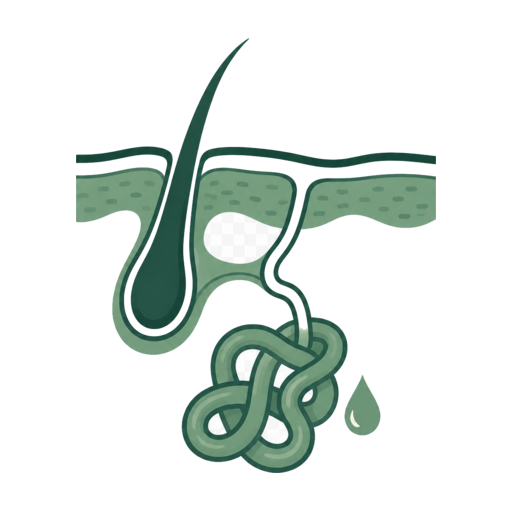 은밀한 부위 냄새의 원인: 감염인가 액취증인가?
은밀한 부위의 냄새는 많은 분들이 말하기 어려운 고민이며, 친밀한 관계에도 영향을 미칠 수 있습니다. 치료 전에 먼저 냄새의 원인을 명확히 해야 합니다.
회음부 액취증(본 치료의 초점)
회음부(음모로 덮인 영역)의 "아포크린선"에서 발생합니다. 분비물이 세균에 의해 분해되면 겨드랑이 체취와 유사한 독특한 냄새(매운 향 또는 커민 향)가 발생합니다. 성행위나 운동 시 냄새가 강해지며, 속옷에 노란색 얼룩이 자주 나타납니다.
질 감염(부인과 치료 필요)
세균, 곰팡이 또는 트리코모나스 감염에 의해 발생합니다. 분비물은 흰색 코티지 치즈 모양 또는 회녹색을 띠며, 뚜렷한 가려움, 작열감, 통증을 동반하고 비린내가 납니다. 가려움이나 작열감이 있으면 먼저 부인과를 방문해 주세요.
치료를 고려해야 할 때
- 친밀한 순간에 은밀한 부위에서 냄새가 남
- 속옷에 노란색 분비물이 자주 묻음
- 운동이나 긴장 시 냄새가 더 심해짐
- 친밀한 관계와 자신감에 영향을 미침
- 다양한 위생 제품을 시도해도 효과가 제한적
먼저 액취증 냄새인지 감염 냄새인지 구별하고 싶다면 이 글을 참고하세요: 회음부 액취증인가 감염인가? 3가지 원인과 진료과
비침습 탈취술을 선택하는 이유? 핵심 장점 분석
이 극도로 민감하고 사적인 부위에 대해, 유달유 원장은 20년의 임상 경험을 바탕으로 "비침습 열분해술"을 주력 치료 방침으로 확립했습니다. 가는 절연 바늘로 열에너지를 피하 아포크린선층에 전달하며, 바늘구멍만 남고 절개나 봉합은 없습니다.
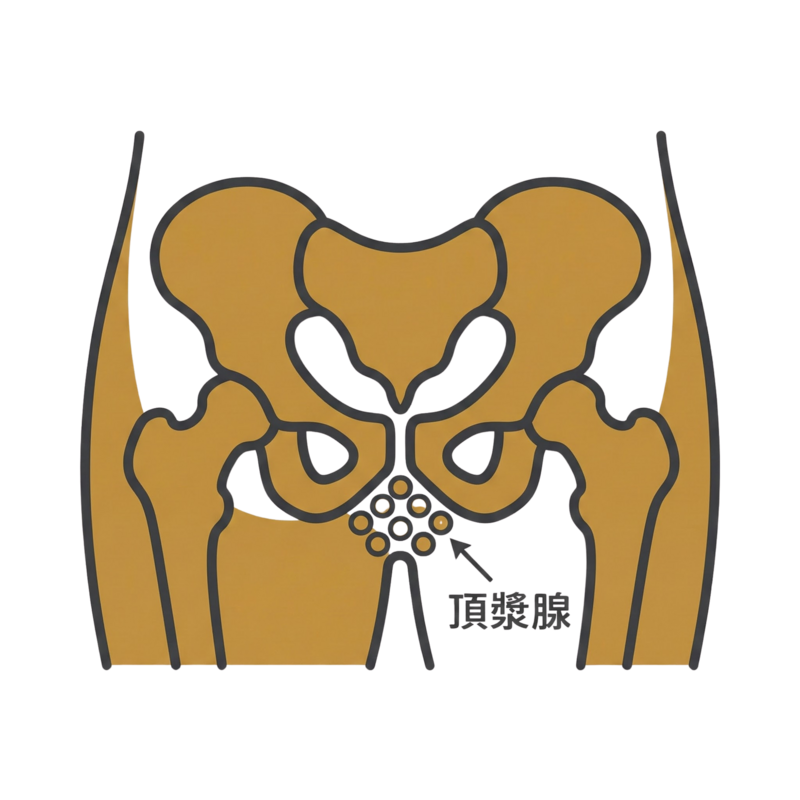
개방 상처 없음
마취 바늘구멍 크기의 진입점만 있으며, 봉합 불필요

냄새 뚜렷하게 감소
대부분 일반적인 대인 거리에서 잘 느껴지지 않게 됩니다(개인차 있음)

발한 감소 + 제모
발한 약 80% 감소, 체모 50~80% 감소(본원 시술 후 관찰)

신경 영향 최소
신경 조직 손상 최소화, 생리 기능에 미치는 영향을 줄임
부가적 효과: 발한 감소 및 제모
탈취 외에도 본원 시술 후 관찰에서 치료 부위의 발한량이 약 80%, 체모 총량이 50~80% 줄어(개인차 있음) 은밀한 부위의 답답함이 줄어듭니다.
의사 관점: 최소절개 수술의 위험 평가
많은 환자분들이 "왜 겨드랑이 액취증처럼 최소절개 수술로 깨끗하게 제거하지 않나요?"라고 질문합니다. 유달유 원장(Dr. Ta-Ju Liu)이 의료적 판단의 변화를 솔직하게 설명합니다:
과거에는 실제로 회음부의 최소절개 절제 수술을 시행했으나, 장기적인 임상 추적 관찰 과정에서 회음부 수술에 3가지 주요 과제가 있음을 발견했습니다:
1. 극도로 어려운 상처 관리
회음부는 요도와 항문에 인접해 있으며, 전신에서 세균량이 가장 많은 부위 중 하나입니다. 배변 필요성과 결합하여 상처를 무균 및 건조한 상태로 유지하기가 극히 어렵습니다.
2. 높은 치유 위험
이 부위는 지속적으로 습한 환경에 있으며 보행 시 마찰이 계속 발생하여, 수술 상처가 벌어지거나(Dehiscence) 감염되기 쉽습니다.
3. 흉터와 유착
치유 과정에서 감염이 발생하면, 울퉁불퉁한 흉터나 유착이 남아 향후 불편감을 유발할 수 있습니다.
결론
환자의 안전성과 삶의 질을 고려하여, 본원은 회음부 액취증을 "비침습 열분해술"로 치료합니다. 개방 상처가 없어 감염 위험은 수술보다 낮지만, 마취와 열에너지 전달로 바늘구멍이 남고 이 바늘구멍은 피부의 입구가 됩니다. 그래서 시술 전 세정과 무균 조작을 똑같이 지키며, 감염 위험은 낮지만 0은 아닙니다. 따라서 현재는 회음부의 개방 수술이나 최소절개 수술을 통상적으로 권장하지 않습니다.
저희는 이 부위의 사적인 특성을 깊이 이해하고 있으며, 모든 의료진이 엄격한 프라이버시 절차를 지켜 안심할 수 있는 치료 환경을 제공합니다.
치료 과정
프라이버시와 편안함의 조화

전문 평가
냄새의 원인을 확인(겨드랑이 전이, 감염 또는 원발성 액취증 구별). 겨드랑이 고민도 동시에 있으면 병합 치료 가능.
국소 마취
부드러운 마취 방법으로 치료 중 통증을 대폭 줄이며, 대부분 경미한 느낌만 있습니다(개인차 있음).
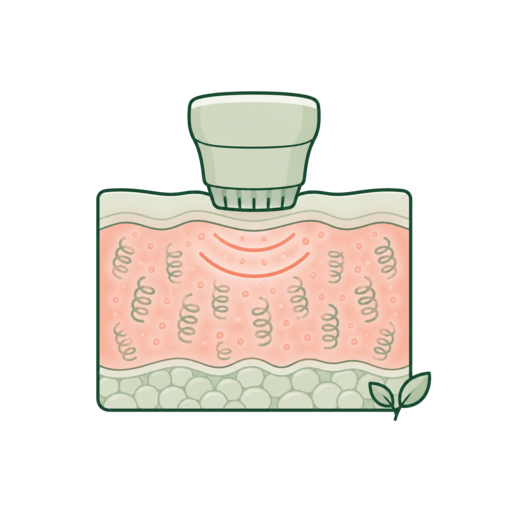
비침습 열분해
시술 시간 약 2시간, 열에너지로 샘을 처리하며 바늘구멍만 남고 절개는 없습니다.

시술 후 회복
일상생활은 대부분 당일부터 가능합니다. 치료 부위는 약 3~4주간 부기가 있으나 보통 일상생활에 지장은 없습니다.
저자 소개
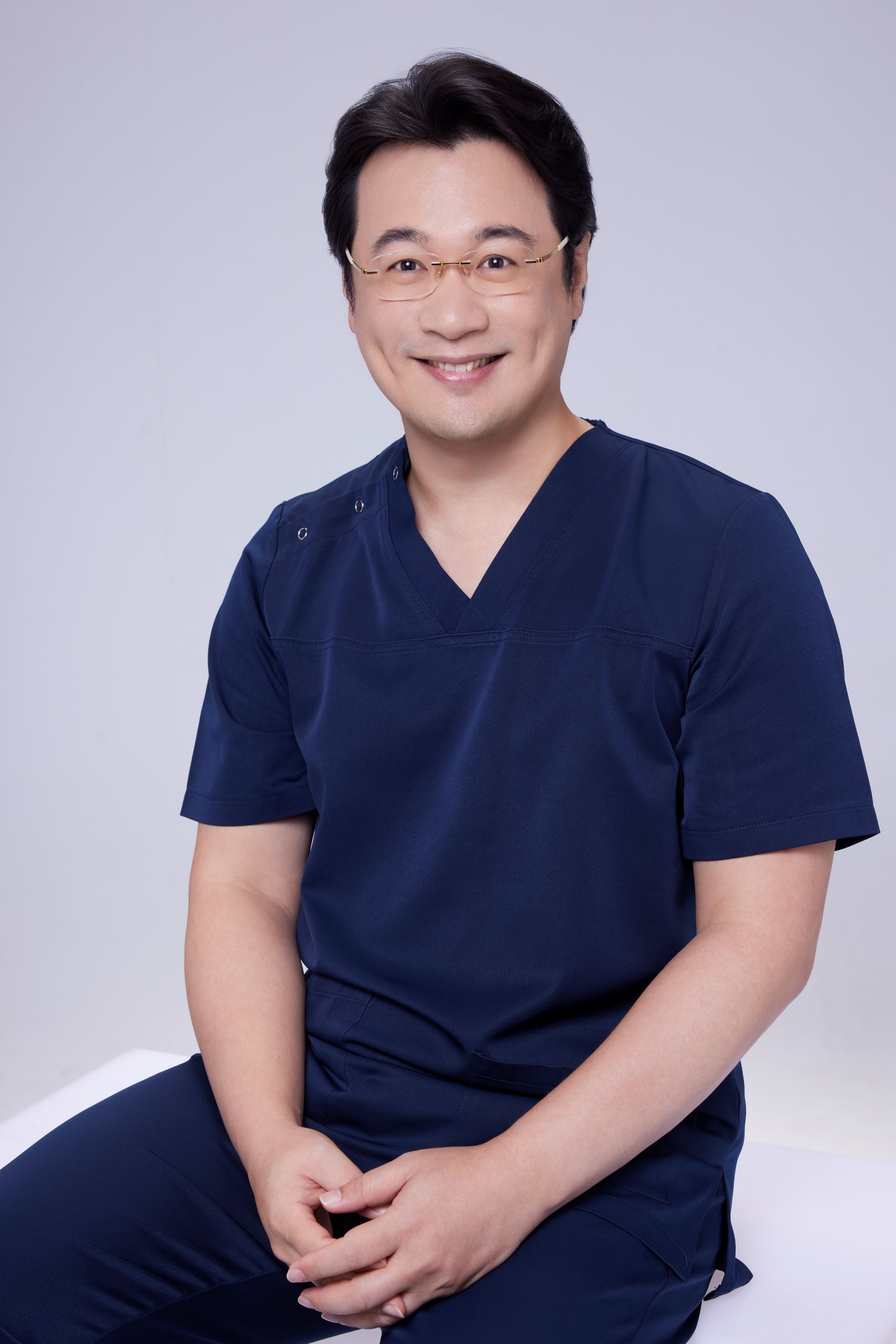
유달유 원장
리우스메드 클리닉 원장
- 피부과 전문의
- 20년 이상의 액취증 치료 경험, 15년 이상의 다한증 치료 경험
- 비침습 열분해술(바늘구멍만, 봉합 없음)로 회음부 액취증을 오래 치료
- 누적 10,000건 이상의 액취증·다한증 치료
- 유륜·겨드랑이 액취증도 치료(최소절개 수술)
"효과를 추구하기 전에, 안전을 먼저 생각합니다. 은밀한 부위에는 바늘구멍만 남고 봉합이 필요 없는 비침습 열분해를 선택하여, 말하기 어려운 고민을 함께 다룹니다."
자주 묻는 질문 FAQ
왜 현재 은밀한 부위의 최소절개 수술이 줄어들었나요?
이것은 안전성과 관리 고려에 기반합니다. 회음부는 위치가 특수하여 요도 및 항문 개구부에 가깝고, 세균이 많으며 건조함을 유지하기 어려워 수술 상처가 감염되거나 벌어지기 쉽습니다. 반면 "비침습 열분해술"은 바늘구멍만 남고 개방 상처가 없어 감염 위험이 수술보다 훨씬 낮습니다. 다만 바늘구멍도 입구이므로 시술 전 세정과 무균 조작을 지키며, 위험은 낮지만 0은 아닙니다. 대부분 냄새가 뚜렷하게 줄지만 정도는 개인차가 있습니다.
비침습 치료 후, 은밀한 부위의 체모량에 영향이 있나요?
네, 이는 보통 장점으로 여겨집니다. 아포크린선과 모낭이 가까이 위치하므로, 열에너지 치료가 선체를 파괴하면서 일부 모낭도 파괴합니다. 본원 시술 후 관찰에서 음모 총량이 보통 50~80% 감소하여, 은밀한 부위가 더 산뜻해지고 냄새 잔류 기회를 줄입니다.
탈취 효과는 충분한가요?
대부분 냄새가 뚜렷하게 줄어 일반적인 대인 거리에서는 잘 느껴지지 않게 됩니다. 개선 정도는 개인차가 있으며, 냄새가 매우 심한 분은 두 번째 보강 치료가 필요할 수 있습니다.
치료 중 통증이 있나요?
완전히 통증이 없는 것은 아니지만, 특수 국소 마취와 완화 진통을 함께 사용하여 대부분 마취 첫 바늘에서 모기에 물린 듯한 가벼운 따끔함만 느끼고, 이후 과정은 통증이 대폭 완화되어 무리 없이 마칠 수 있습니다. 전신 마취가 아니므로 의사와 즉시 대화할 수 있으며, 실제 느낌은 개인차가 있습니다. 시술 후 약간의 부기가 있을 수 있으나, 강한 진통제는 보통 필요 없습니다.
회복 기간은 얼마나 걸리나요? 언제부터 성생활을 재개할 수 있나요?
비침습 열분해술은 바늘구멍만 남고 바늘구멍은 보통 며칠 안에 아물어, 수술처럼 상처가 낫기를 기다릴 필요가 없습니다. 일상생활은 대부분 당일부터 재개할 수 있습니다. 다만 치료 부위가 약 3~4주간 부어 있으므로, 부기가 완전히 빠진 후 성생활을 재개하시는 것을 권장합니다.
"질 감염"과 "회음부 액취증"을 어떻게 구별하나요?
액취증: 겨드랑이 냄새와 유사한 냄새(매운 향/커민 향), 속옷 얼룩은 노란색, 보통 가려움 없음. 감염: 비린내 또는 악취, 분비물은 코티지 치즈 모양 또는 황록색, 보통 뚜렷한 가려움이나 작열감 동반. 가려움이 있으면 먼저 부인과를 방문하세요.
회음부 액취증에 보톡스를 쓸 수 있나요? 열분해술과 무엇이 다른가요?
쓸 수 있습니다. 보툴리눔 톡신은 땀을 일시적으로 줄이지만 효과가 시간이 지나면 사라져 주기적으로 다시 맞아야 합니다. 열분해술은 땀샘 자체를 처리하는 방법으로, 약효에 기대지 않습니다. 어느 쪽이 맞는지는 냄새의 정도와 회복 기간을 얼마나 감수할 수 있는지에 따라 달라서, 진료 때 함께 검토합니다.
효과는 얼마나 지속되나요? 재발하나요?
열분해술은 샘 자체에 작용하므로 보톡스처럼 약효가 대사되어 사라지지는 않습니다. 다만 치료 범위 밖이나 남은 샘에서 냄새가 날 수 있어, 소수는 두 번째 보강 치료가 필요합니다. 시술 후 냄새가 다시 두드러지면 감염이나 다른 원인이 없는지 먼저 진료로 확인하세요.
남성도 치료할 수 있나요?
가능합니다. 회음부 아포크린샘은 남녀 모두에게 있고 치료 방법도 같습니다. 치료 범위는 냄새가 실제로 나는 곳에 따라 정하며, 회음·서혜부나 주변이 포함될 수 있습니다.
시술 후 집에서는 어떻게 관리하나요?
부기가 있는 동안에는 헐렁하고 통기성 좋은 면 속옷을 입고, 건조하게 유지하며, 안내에 따라 바늘구멍 부위를 깨끗이 하세요. 의사가 괜찮다고 할 때까지 욕조 목욕, 수영, 마찰이 많은 운동은 피하세요. 붉어짐·열감·통증이 점점 심해지거나 열이 나거나 고름이 나오면 바로 내원하세요.
비용은 어느 정도인가요?
비용은 치료 범위와 겨드랑이·유륜 등 다른 부위를 함께 치료하는지에 따라 달라집니다. 진료 후 평가하여 안내하며, 웹사이트에는 가격을 게시하지 않습니다.
관련 서비스
은밀한 부위·비침습 열분해·마취 바늘구멍만
은밀한 부위 냄새 감소·절개·봉합 없음·프라이버시 우선
냄새는 대부분 뚜렷하게 감소, 본원 시술 후 관찰에서 발한 약 80%·모량 50-80% 감소(개인차 있음)
귀하의 은밀한 부위 냄새 치료에 포함된 것
개방 상처 없음·마취 바늘구멍 크기 진입점만
실밥 제거 불필요·감염 위험은 수술보다 낮지만 0은 아니며, 시술 전 세정과 무균 조작 철저
신경 손상 최소화, 생리 기능 영향을 줄임
열에너지는 피하 아포크린선층에 작용하며 깊은 신경은 처리하지 않음
3중 효과: 탈취 + 발한 감소 + 모량 감소
냄새 뚜렷하게 감소·발한 약 80%·모량 50-80% 감소(본원 시술 후 관찰, 개인차 있음)
프라이버시 우선·전 과정 의사 직접 평가
포함 사항 및 술후 관리
각 항목을 선택하면 적용 범위와 제외 조항을 확인할 수 있습니다
어떤 방법이 맞는지 잘 모르겠다면
먼저 사진을 보내 상담하셔도 되고, 바로 진료를 예약하셔도 됩니다. 상담부터 진료까지 예약 절차