최소절개 유륜 액취증 수술 완전 가이드
0.3cm 숨은 흉터, 감도를 최대한 보존하는 제거 방안
최소절개 유륜 액취증 수술은 고난도의 특화 치료로, 유륜 가장자리의 0.3cm 미세 절개를 통해 냄새의 원인인 아포크린선을 정밀하게 제거합니다. 유달유 원장은 20년의 경험으로 이 고난도 부위를 정밀한 최소절개 수법으로 처리하여 높은 제거율을 달성하면서도 유두 감도를 최대한 보존하여, 친밀한 순간의 난처한 냄새를 개선합니다.
왜 리우스메드 유륜 암내 수술인가

숨은 절개
유륜 가장자리를 따라 숨은 절개로 흉터를 눈에 띄지 않게 합니다.

유방·수유 배려
아포크린샘을 처리하면서 유방 구조와 향후 수유를 배려합니다.

완화 진통
전신마취 없이 완화 진통으로 시술 중 불편을 크게 줄입니다.
유륜 액취증 수술은 유두 감각에 영향을 주나요?
유륜 주변에도 아포크린샘이 있어 유륜 냄새의 원인이 됩니다. 본원은 신경 보존 정밀 박리법으로 약 0.3cm 미세 절개를 통해 유륜의 신경·혈관을 피해 샘을 제거하며 외래 팽창 마취로 진행합니다. 높은 제거율을 달성하고 감각 영향을 최대한 줄이며 흉터는 유륜 가장자리에 숨겨집니다.
목차
말하기 어려운 유륜 냄새: 원인과 영향
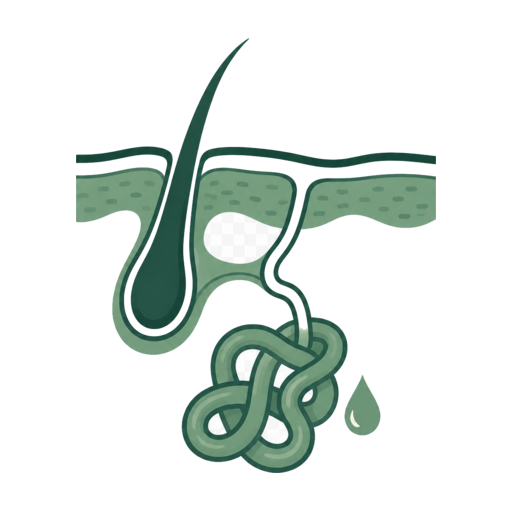 말하기 어려운 유륜 냄새: 원인과 영향
유륜 주변은 겨드랑이, 은밀한 부위와 마찬가지로 특수한 「아포크린선」(대한선)이 분포하고 있습니다. 이러한 선체의 분비가 활발해지고 피부 표면의 세균과 반응하면 독특하고 강한 냄새가 발생합니다.
왜 친밀한 순간에 냄새가 가장 강한가?
많은 환자분이 「성행위」나 「감정적 흥분」 시에 처음으로 냄새를 인지합니다. 성적 흥분이 아포크린선의 수축과 분비를 강하게 자극하여, 친밀한 접촉 시 냄새가 순간적으로 폭발하며 자신감을 크게 떨어뜨리고 파트너 사이에 거리감을 만들 수 있습니다.
특화 치료
유륜 액취증 수술은 국제 의학 문헌에서의 보고가 극히 적어, 풍부한 경험을 갖춘 전문 센터에서만 시행할 수 있습니다. 리우스메드 클리닉은 표준화된 프로토콜과 풍부한 증례 경험을 보유한 소수의 의료기관 중 하나입니다.
핵심 기술: 0.3cm 최소절개 및 신경 보존 기술
유륜 피부는 매우 얇고 신경이 밀집되어 있어 수술 난이도가 겨드랑이보다 훨씬 높습니다. 전통 수술은 절개가 크기 쉬워 뚜렷한 흉터가 남고, 신경 손상으로 감각 마비를 일으킬 위험도 있습니다. 리우스메드는 정밀한 최소절개 수법을 사용하여 이 고난도 부위에서 제거율과 감도 보존을 모두 달성합니다.
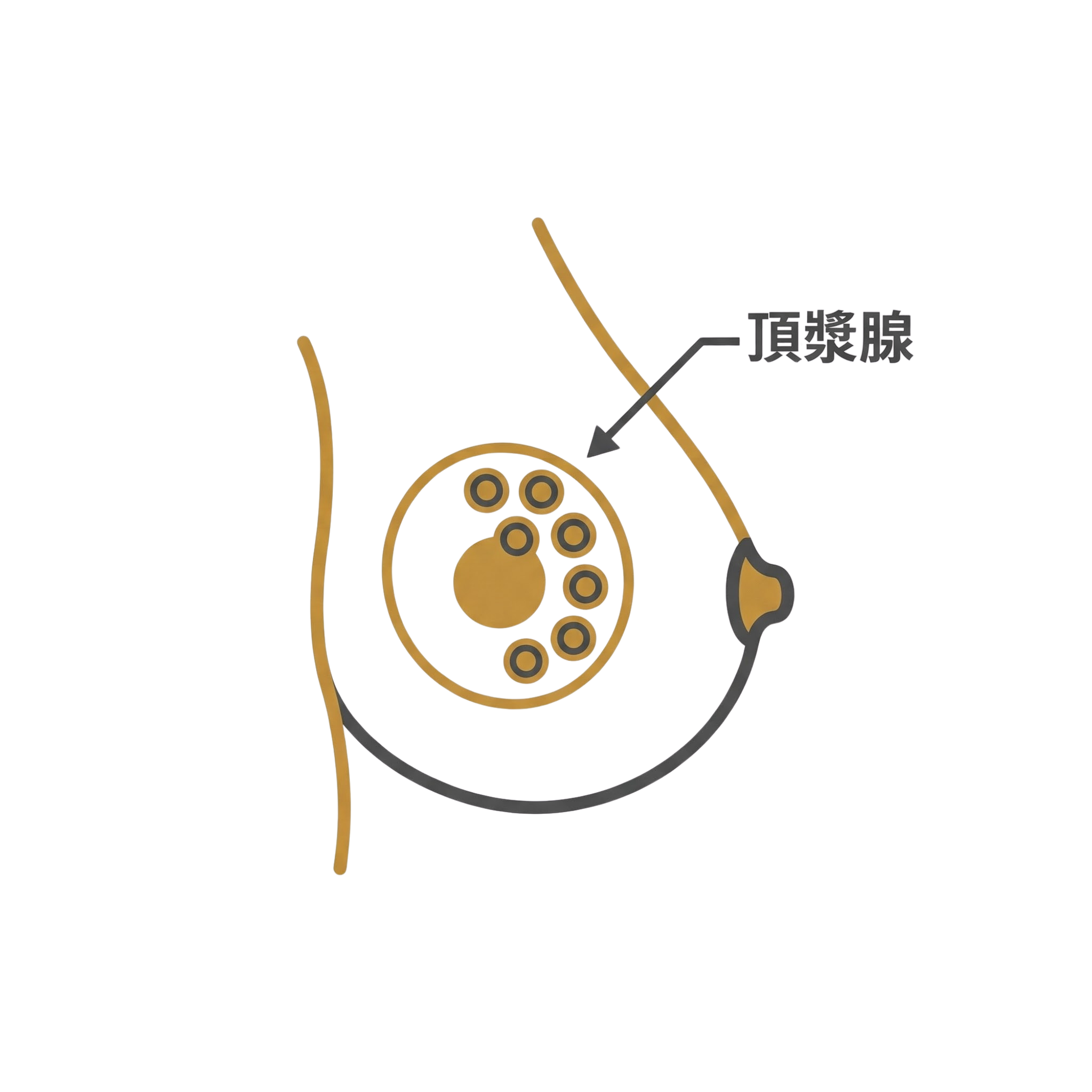
0.3cm 최소절개
쌀알 크기의 극소 절개

신경 보존 기술
감도 영향 매우 적음
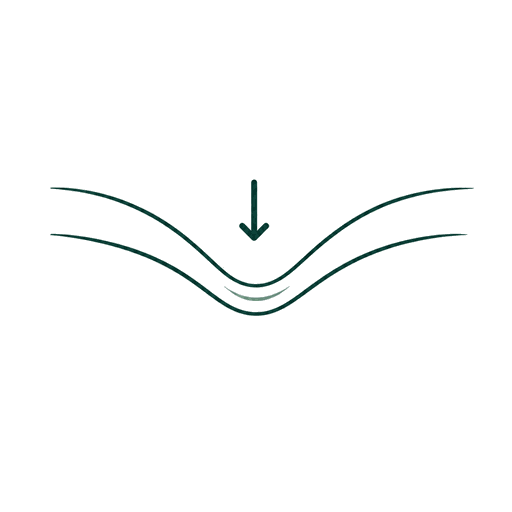
숨은 흉터 봉합
색소 경계에 숨겨져 거의 보이지 않음

장기적 효과
본원 장년 임상 추적에서 재발 드묾
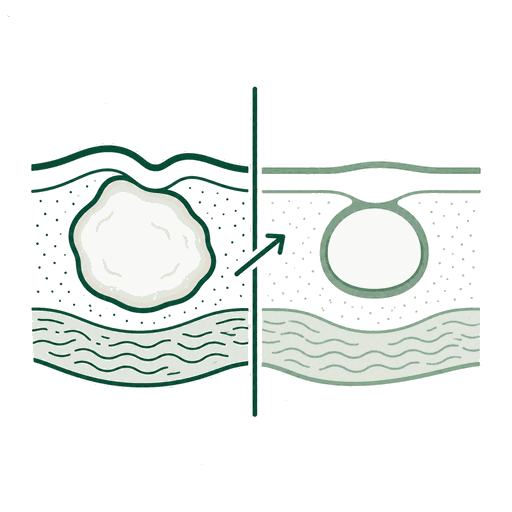
정밀 박리 수법
유달유 원장은 정밀 박리 수법을 사용하여 선체를 제거하면서 신경 조직을 정확하게 회피합니다. 상처는 유륜과 정상 피부의 경계(색소 전환대)에 교묘하게 배치되어 색의 차이를 이용해 숨기며, 치유 후 거의 보이지 않습니다.
기술 비교
리우스메드 최소절개 전문과 vs. 일반 전통 수술
| 비교 항목 | 리우스메드 최소절개 유륜 액취증 수술 | 일반 전통 절제 수술 |
|---|---|---|
| 절개 크기 | 극소 (약 0.3 cm) | 큰 편 (1-2 cm) |
| 감도 영향 | 매우 적음 (신경 보존 수법) | 위험 높음 (마비 가능성) |
| 제거율 | 높은 제거율 (잔존 최소화) | 잔존하기 쉬움 |
| 흉터 상태 | 거의 보이지 않음 (숨은 흉터) | 뚜렷한 흰 흉터가 남을 수 있음 |
| 집도 경험 | 20년 이상 이 술식에 집중 | 경험 부족 (비표준 술식) |
참고: 리우스메드 기술은 신경 보존 수법을 사용하여 수술 후 유두 감도에 미치는 영향을 최대한 줄입니다.
수술 과정
안전성, 프라이버시 및 수술 후 관리

전문 평가
냄새의 원인 확인(겨드랑이 전달인지 유륜 원발인지 감별), 아포크린선 분포 평가

국소 마취
부드러운 팽창 마취(투메센트 마취)를 채택하여 수술 중 통증 대폭 완화(완전 무통은 아님). 전신 마취가 아니며 의사와 즉시 대화 가능하고 개인차가 있습니다
최소절개 제거
0.3cm 절개를 통해 선체를 정밀하게 제거. 수술 시간은 약 1~2시간

수술 후 관리
14일간 건조 유지, 2주 후부터 정상적인 친밀한 생활 재개 가능
저희는 이 부위의 민감한 특성을 충분히 이해하고 있습니다. 모든 의료 스태프가 최고 수준의 프라이버시 기준을 준수하여 안심할 수 있는 치료 환경을 제공합니다.
수술 후 관리 가이드
수술 후 관리가 간단하여 보통 휴가를 낼 필요가 없습니다. 2주 후부터 정상적인 생활로 복귀할 수 있습니다.
- •수술 후 14일간 환부를 건조하게 유지하세요 (샤워 대신 닦아내기)
- •헐렁하고 와이어 없는 속옷을 착용하여 마찰을 줄이세요
- •14일간 격렬한 운동이나 유방 마사지를 피하세요
- •통증이 매우 적어 일상생활 및 사무직 근무에 거의 영향이 없습니다
- •2주 후부터 정상적인 친밀한 생활을 재개할 수 있습니다
저자 소개
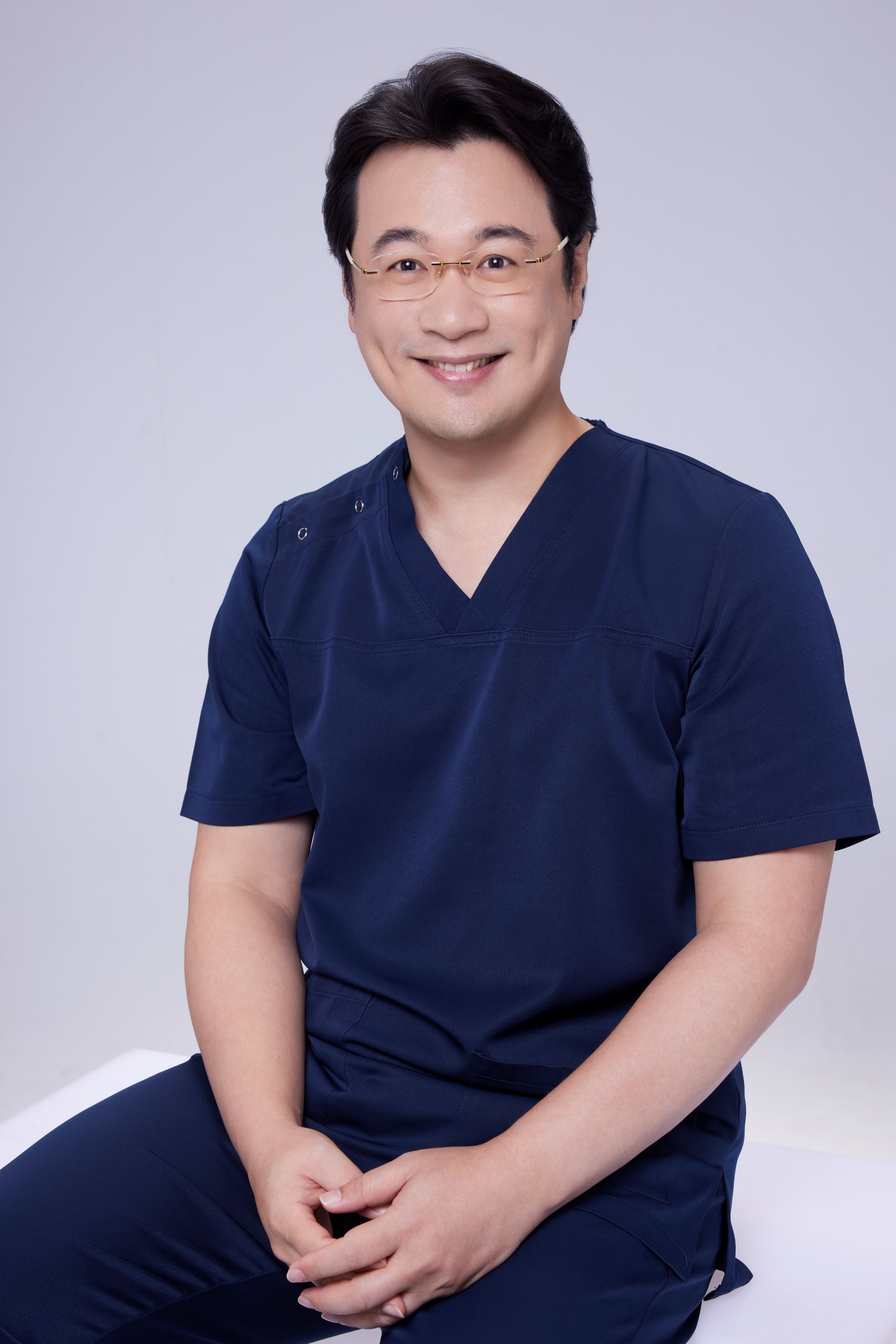
유달유 원장
리우스메드 클리닉 원장
- 20년 이상의 아포크린선 수술 경험
- 유륜 액취증 최소절개 수술에 집중
- 풍부한 최소절개 수술 증례 경험
- 최소절개 유륜 액취증 수술, 은밀한 부위 냄새 치료 전문
「말하기 어려운 고민을 해결하는 것은 신체를 치유하는 것뿐 아니라, 친밀한 관계와 자신감을 회복하는 것이기도 합니다.」
자주 묻는 질문 FAQ — 꼭 알아야 할 여섯 가지
유륜 액취증 수술은 안전한가요? 유두 감도에 영향이 있나요?
신경 보존 수법으로 진행하여 감도에 미치는 영향을 최대한 줄입니다. 유달유 원장은 10년 이상의 전문과 경험을 보유하고 있으며, 수술은 피하의 아포크린선 층만을 정밀하게 대상으로 하여 유두 감각을 지배하는 신경을 최대한 피합니다. 많은 환자분이 냄새로 인한 심리적 부담이 해소된 후 친밀한 생활에서 한층 편안해졌다고 합니다.
수술 후 뚜렷한 흉터가 남나요?
거의 남지 않습니다. 절개를 0.3cm의 매우 작은 크기로 제어하며, 유륜과 주변 피부의 경계(색의 차이를 이용한 은닉 위치)에 교묘하게 배치합니다. 의사의 지시에 따라 관리하면 수술 후 1~2개월이면 흉터가 육안으로 거의 알아볼 수 없을 정도로 옅어집니다.
수술 효과는 장기적인가요? 재발하나요?
효과는 보통 장기적으로 안정적이며 장년 추적에서 재발이 드뭅니다. 아포크린선은 물리적으로 제거되면 재생하지 않습니다. 유달유 원장은 「클린 퍼스트」 원칙을 고수하며 높은 제거율을 달성합니다. 15년간의 임상 추적에서 이 수술을 받은 환자분 중 재발이 드뭅니다.
자신에게 유륜 액취증이 있는지 어떻게 판단하나요?
자가 체크가 가능합니다. 운동으로 땀을 흘릴 때, 긴장하거나 흥분할 때, 또는 친밀한 행위 시 유륜 부위에서 겨드랑이와 비슷한 냄새가 나면 유륜 액취증 체질일 가능성이 높습니다. 또한 「습한 귀지」나 「겨드랑이 액취증」 병력이 있는 분은 유륜 액취증 발생 확률도 상대적으로 높습니다.
수술 후 관리가 번거롭나요? 휴가가 필요한가요?
관리는 간단하며 보통 휴가가 필요 없습니다. 수술 후 14일간 상처를 건조하게 유지하고(샤워 대신 닦아내기), 격렬한 운동과 유방 마사지를 피하면 됩니다. 큰 개방 창이 없어 통증이 매우 적고 일상생활 및 사무직 근무에 거의 영향이 없습니다.
겨드랑이와 유륜 액취증을 한 번의 수술로 동시에 해결할 수 있나요?
네, 가능합니다. 많은 환자분이 두 부위 모두 고민을 가지고 계십니다. 유달유 원장은 한 번의 수술로 최소절개 기술을 활용하여 겨드랑이와 유륜의 냄새 문제를 동시에 해결할 수 있습니다. 수술 후 회복 기간은 한 번만 거치면 되어 시간과 관리 노력을 크게 절약할 수 있습니다.
관련 서비스
0.3cm 숨은 흉터·유륜 액취증 미세절개 수술
가슴이 파인 옷도 신경 쓰지 않고, 감도는 그대로
색소 경계에 숨은 0.3cm 흉터·>90% 제거율·15년 추적, 문헌상 재발 비율 매우 낮음
귀하의 유륜 액취증 수술에 포함된 것
유륜 색소 경계를 따라 숨은 봉합
0.3cm 미세 절개·치유 후 거의 보이지 않음
유두 감각 완전 보존
현미경 경로로 유륜 신경총 회피·유두 감각을 최대한 보존
현미경 하 피층 절제로 아포크린샘 정밀 제거
>90% 제거율·한선을 물리적으로 적출
15년 추적·재발 사례 매우 적음
포함 사항 및 술후 관리
각 항목을 선택하면 적용 범위와 제외 조항을 확인할 수 있습니다
어떤 방법이 맞는지 잘 모르겠다면
먼저 사진을 보내 상담하셔도 되고, 바로 진료를 예약하셔도 됩니다. 상담부터 진료까지 예약 절차