Scar Repair Authority Guide
Combined Treatment for Keloids,Surgical Scars & Trauma Contracture
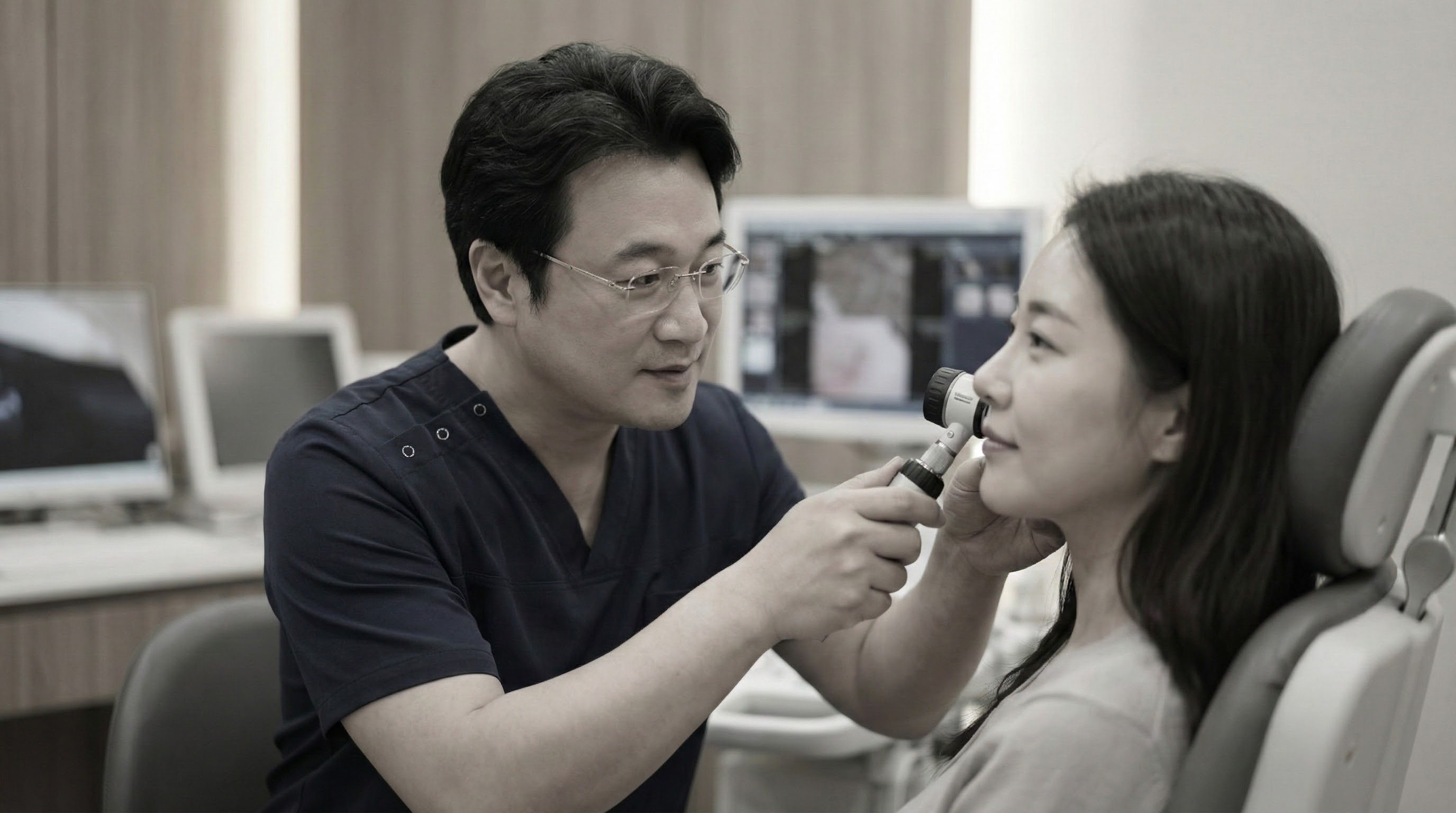
Liusmed Clinic is the first choice for scar and keloid treatment. Dr. Liu, with 20 years of plastic surgery experience, provides "intralesional injection," "minimal incision scar revision," and "combined anti-recurrence therapy" for different scar types, combining science and art to solve your hypertrophic scars and appearance concerns.
Table of Contents
The Truth: Why Scars Can't "Completely Disappear"
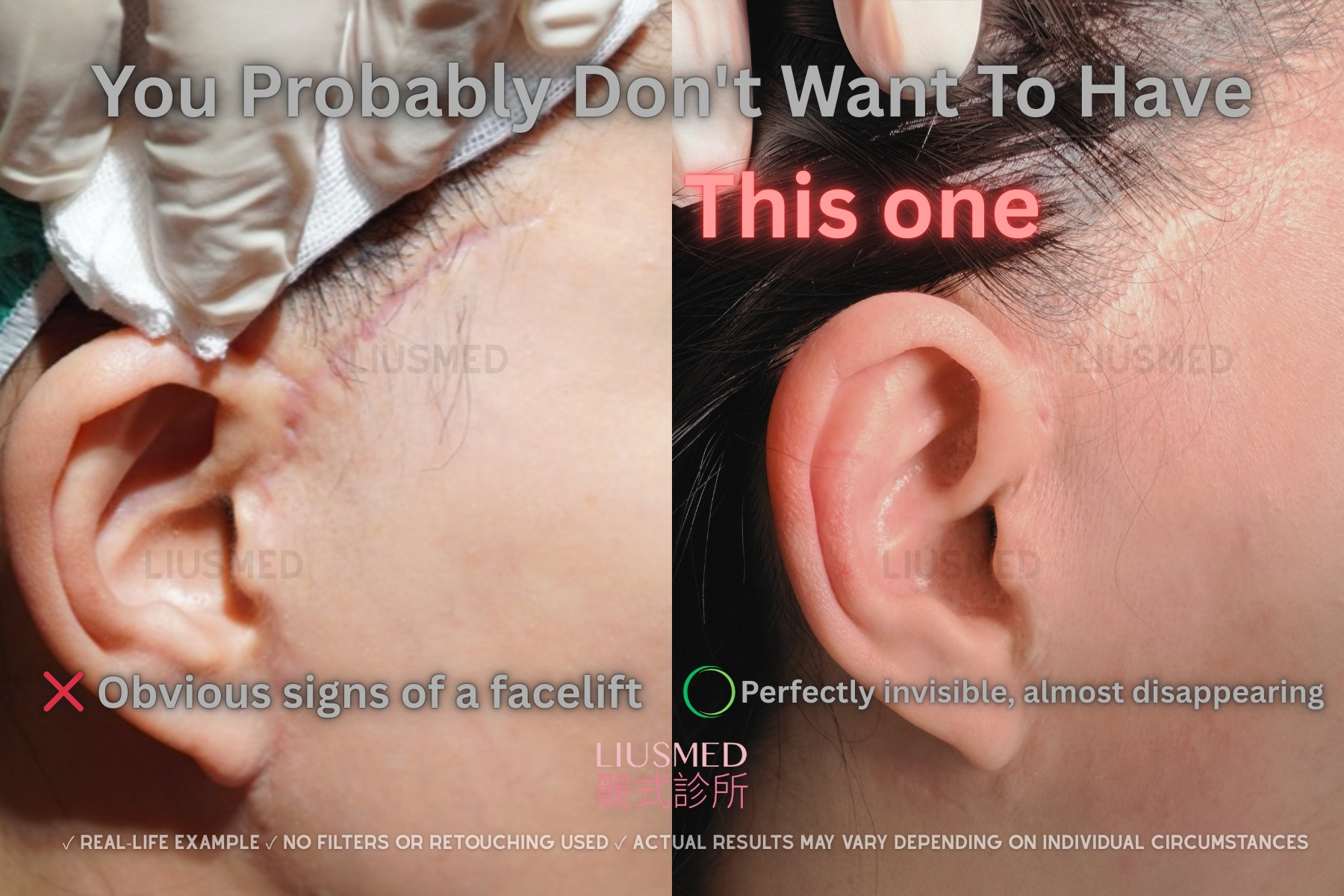
Medically, scars rarely "completely disappear." Every journey leaves traces - any wound reaching the dermis will leave a scar. This is the body's natural healing result, not a limitation of medical technology.
"Our treatment goal is not to make scars 'disappear,' but to make them 'inconspicuous'—color close to skin tone, surface flat, lines extremely fine, so you barely notice them in daily life."
— Dr. Ta-Ju Liu
Three Treatment Goals
Symptom Relief
Eliminate itching, pain, tightness and other discomfort
Appearance Improvement
Make scar color, texture, thickness approach normal skin
Function Restoration
Address contracture scars affecting joint movement
Scar Types: Hypertrophic Scar vs Keloid
Correct diagnosis is the first step to effective treatment

Hypertrophic Scar
Hypertrophic Scar
- Scar becomes red, thick, and raised
- Growth limited to original wound area
- May be itchy or painful
- Usually fades naturally over time (months to years)
Treatment: Most can be effectively controlled with intralesional injection; severe cases may consider surgical revision.
Keloid
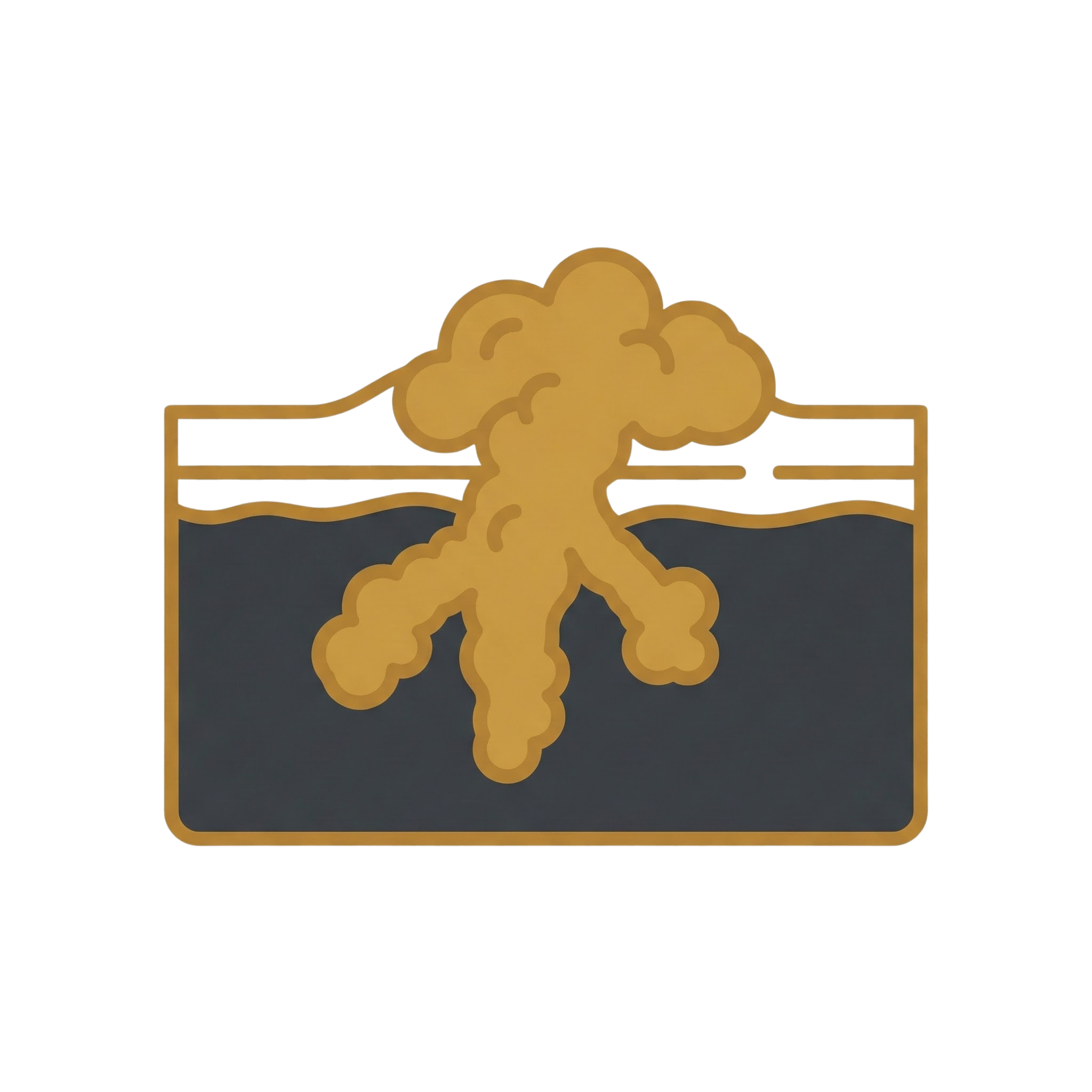
Keloid
- Grows beyond original wound boundary
- Continues to grow without regression
- Noticeable itching and pain
- Visibly red, swollen, and hard texture
- Common in certain body types and areas (chest, shoulders, ears)
Treatment: Requires long-term battle with combined therapy (injection + surgery + compression) for effective control.
Key Difference: Hypertrophic scars are "self-limiting," keloids "expand indefinitely."
Three Treatment Approaches
Choose the most suitable treatment based on scar type
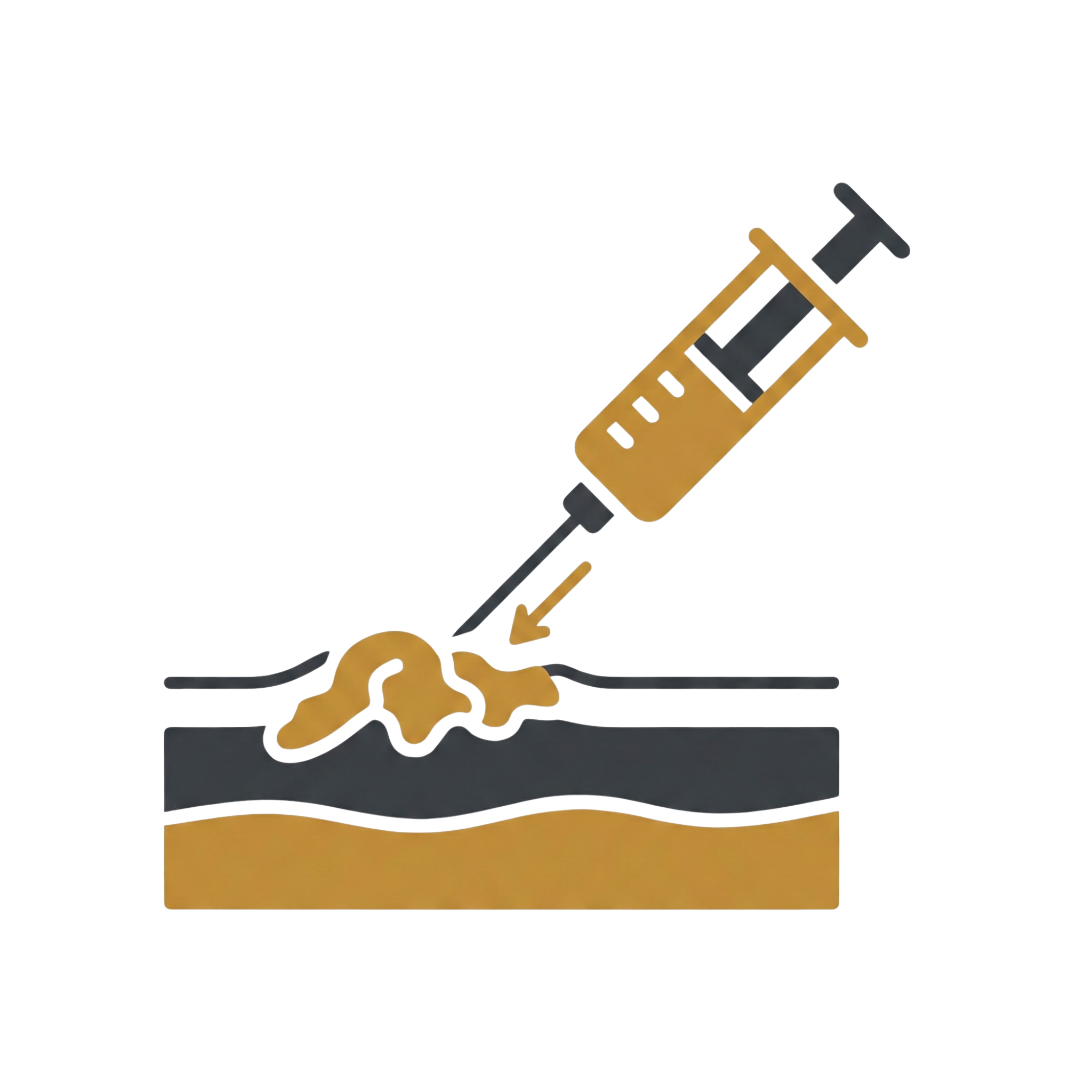
Intralesional Injection
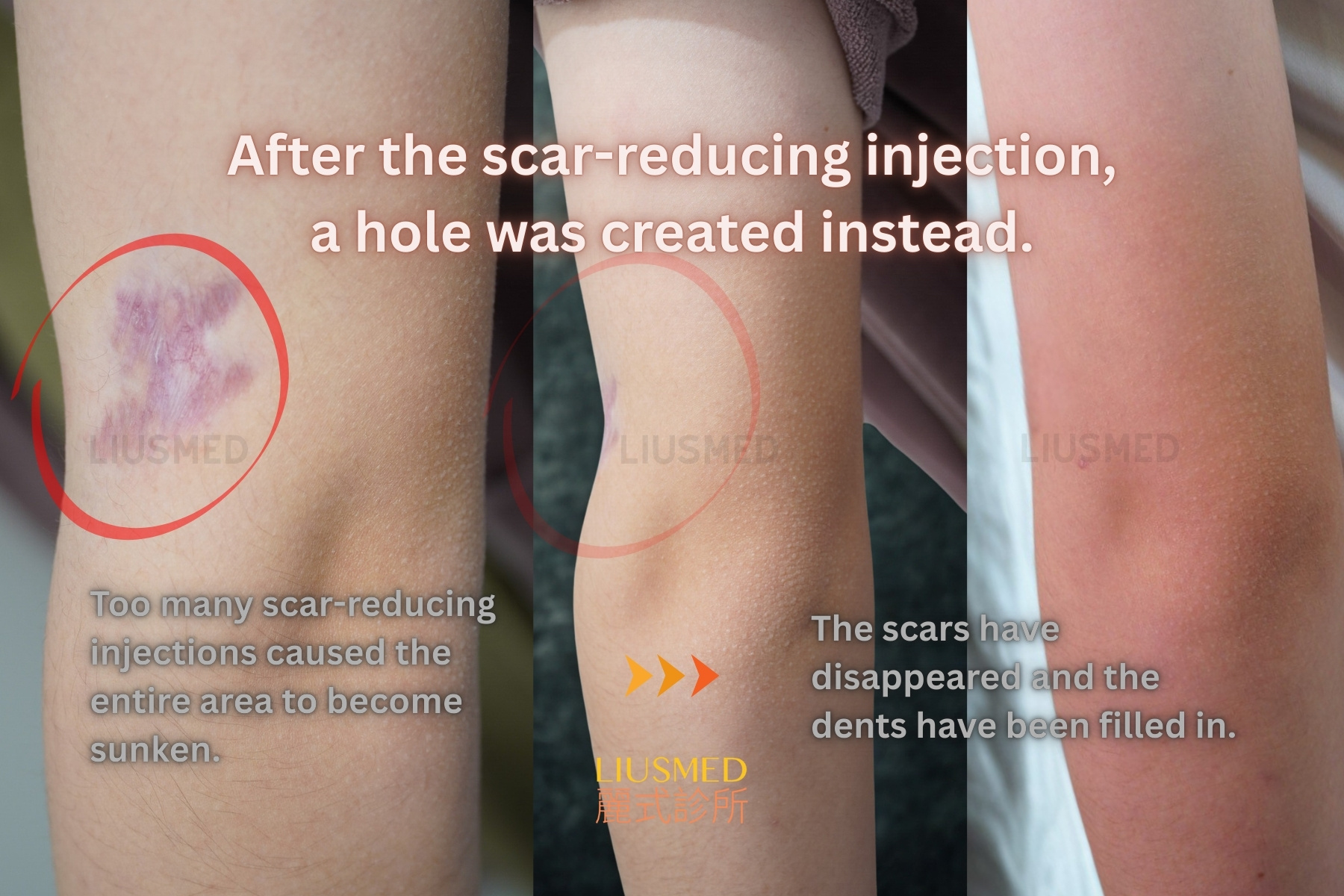
Direct injection of steroids or anti-metabolic drugs into the scar core to inhibit fibroblast activity, softening and flattening the scar.
- For: Hypertrophic scars, early keloids
- Frequency: Monthly, about 3-6 sessions
- Advantage: Non-invasive, outpatient procedure

Minimal Incision Scar Revision
For old scars or lesions not responding to injection, surgical excision and re-suturing with fine technique to minimize new scarring.
- For: Mature depressed scars, wide scars, contracture scars
- Techniques: W-plasty, Z-plasty, flap transfer
- Advantage: One-time improvement, permanent results
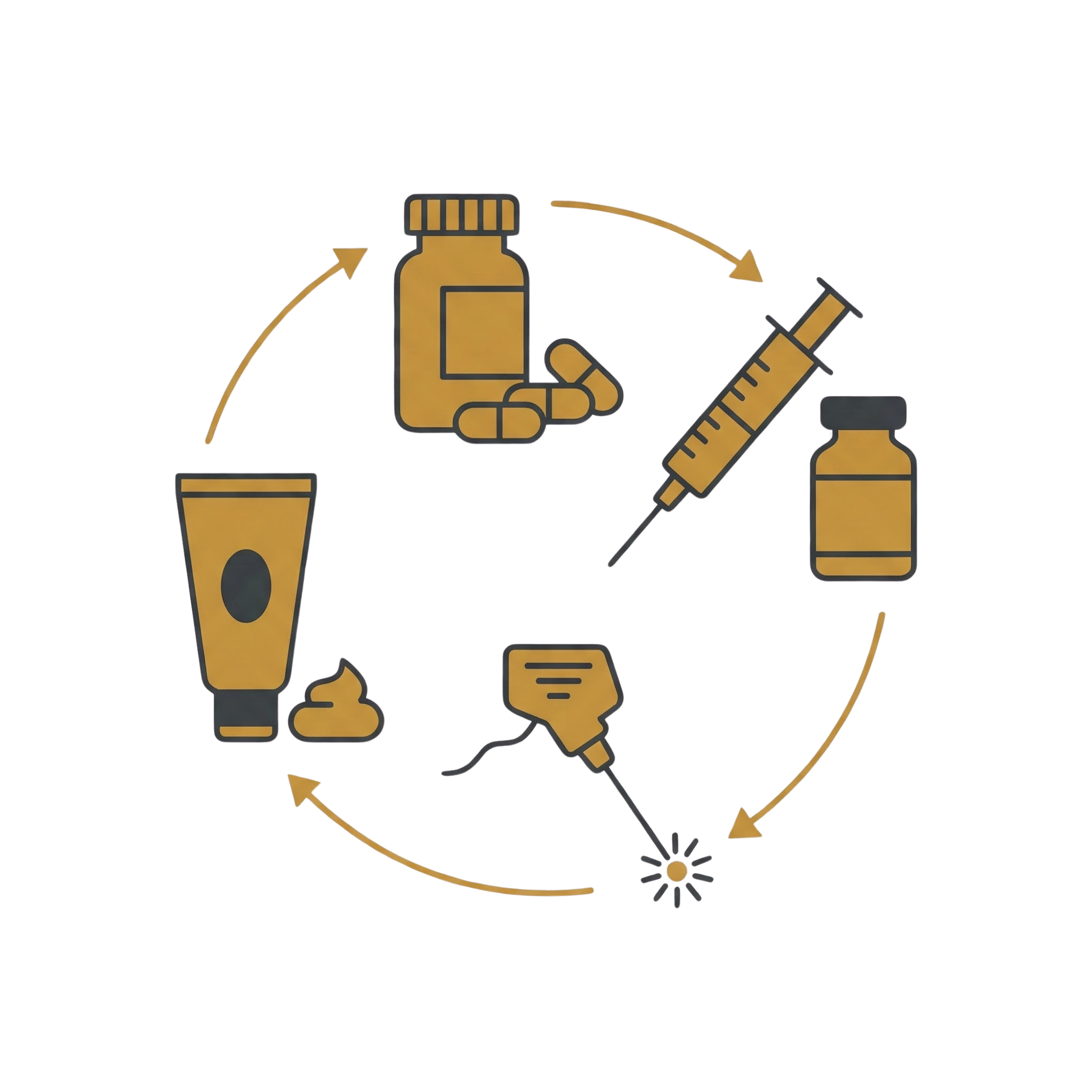
Combined Anti-recurrence Therapy
Combining "core debulking surgery," "post-operative radiation therapy (SRT)" or "long-term local injection," with silicone patch compression—a three-pronged approach to reduce recurrence.
- For: Stubborn keloids, recurrent lesions
- Strategy: Multi-directional combined attack
- Key: Long-term follow-up and compression therapy
The Long-term Battle with Keloids
Not a one-time treatment, but a persistent battle requiring patience
Keloid recurrence rates are indeed higher, depending on body type and wound location (chest and shoulders with high tension are most prone to recurrence). But don't lose hope—
"At Liusmed Clinic, we use 'combined therapy' and emphasize 'long-term post-operative follow-up,' which can significantly reduce recurrence rates. This is a long-term battle, but with persistence, you can see hope."
— Dr. Ta-Ju Liu
Liusmed Keloid Control Strategy
Detailed evaluation of keloid type, tension location, recurrence risk
Surgical removal of keloid core, preserving edge skin to reduce tension
Radiation therapy (SRT) or long-term injection to suppress recurrence
Silicone patches or pressure garments for 6-12 months
Regular visits, early detection of recurrence signs for immediate intervention
Liusmed Scar Repair Process
Professional Assessment × Personalized Plan × Long-term Care
Scar Evaluation
Detailed assessment of scar type (hypertrophic vs keloid), severity, and tension location
Treatment Goal Setting
Set goals based on three levels: symptom relief, appearance improvement, function restoration
Combined Treatment
Choose based on scar type: intralesional injection, minimal incision revision, laser/light therapy, or combination
Post-op Protection & Follow-up
Keloids require compression therapy and long-term follow-up to minimize recurrence
Golden Treatment Period
The 3-6 months after wound healing is the scar remodeling phase. We recommend using silicone patches or scar gel as soon as sutures are removed. If you notice the scar becoming red or raised, seek immediate injection treatment for best results.
About the Author
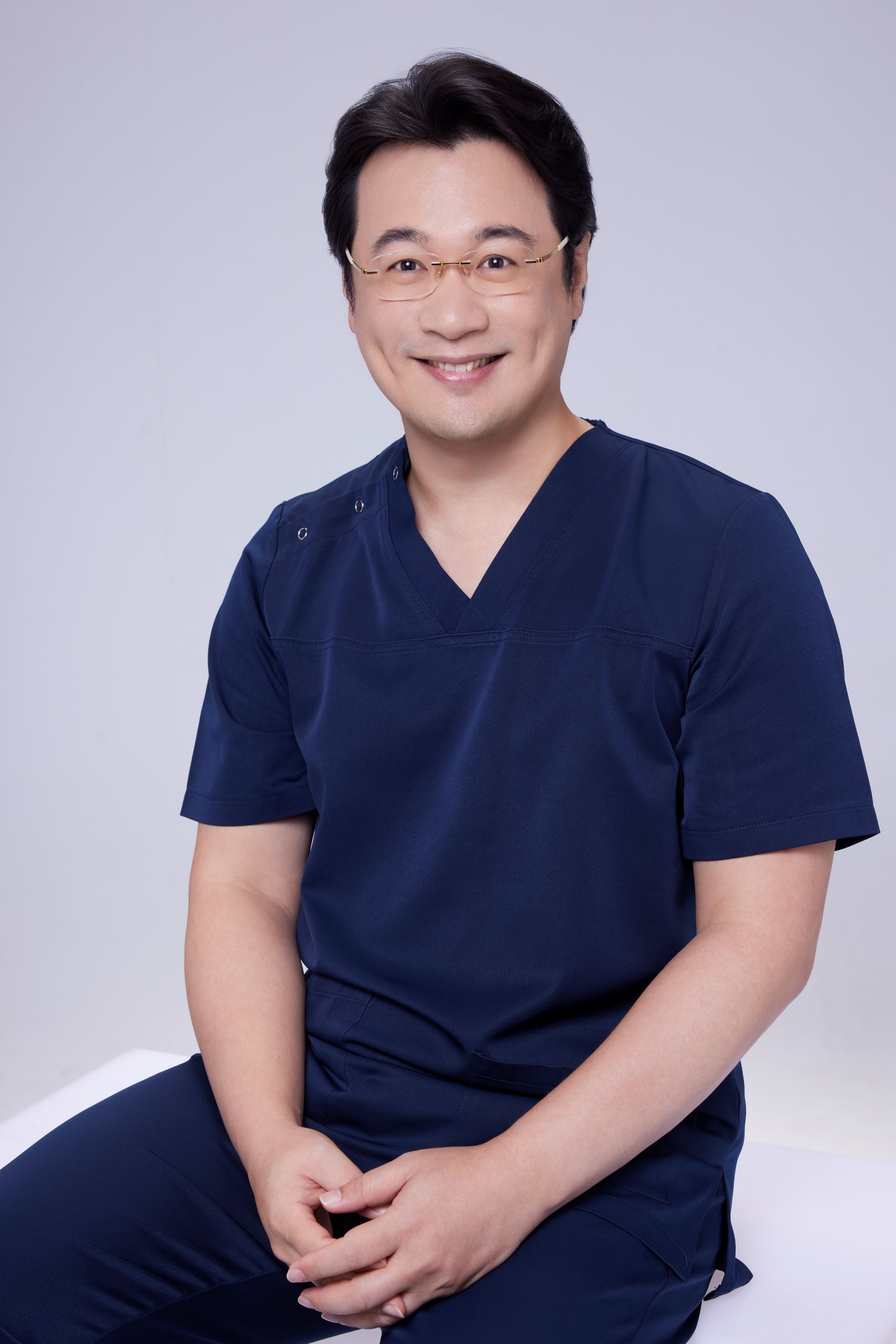
Dr. Ta-Ju Liu
Director, Liusmed Clinic
- Over 20 years of plastic surgery clinical experience
- Expert in scar and keloid combined treatment
- Board-certified Dermatologist
- Handled numerous difficult scar cases
- Committed to honest expectation setting
"Scar treatment requires the combination of science and art. Science tells us the principles, art shows us how to make results natural and beautiful."
Frequently Asked Questions (FAQ)
Q1: Can scars completely disappear after treatment?
Medically, it's difficult to "completely disappear." Any injury to the dermis layer will leave a scar. Our treatment goal is to make scars "inconspicuous"—color close to skin tone, surface flat, lines extremely fine—so they're barely noticeable in daily life unless examined closely.
Q2: I have severe keloids—will they recur after treatment?
This is a long-term battle. Keloid recurrence rates are indeed higher, depending on body type and wound location (chest and shoulders with high tension are most prone to recurrence). At Liusmed Clinic, we use "combined therapy" and emphasize "long-term post-operative follow-up" to significantly reduce recurrence rates.
Q3: When is the best time to treat C-section scars?
The golden period is 3-6 months after wound healing. This is the scar remodeling phase. We recommend using silicone patches or scar gel as soon as sutures are removed. If you notice the scar becoming red or raised, seek immediate injection treatment for best results.
Q4: Is scar treatment painful?
It depends on the treatment method. Surgery uses local anesthesia and is painless. For intralesional injection (scar injections), because scar tissue is hard, you may feel pressure pain when medication is administered. We use ultra-fine needles mixed with anesthetic to minimize discomfort.
Q5: Can old scars (over 10 years) still be treated?
Yes. Although new scars have the highest plasticity, old scars can still be improved through surgical revision (excision and re-suturing) or laser resurfacing. For old white depressed scars, minimal incision scar revision surgery can also be considered.
Q6: How many treatments are needed? What about costs?
It varies by individual. Keloids typically require multiple injections (monthly, about 3-6+ times) to flatten. Scar revision surgery is usually one-time but requires months of post-operative care. Costs depend on scar size, length, and difficulty—the doctor will provide a quote after personal evaluation.
Other Repair Services
Learn More About Scar Treatment
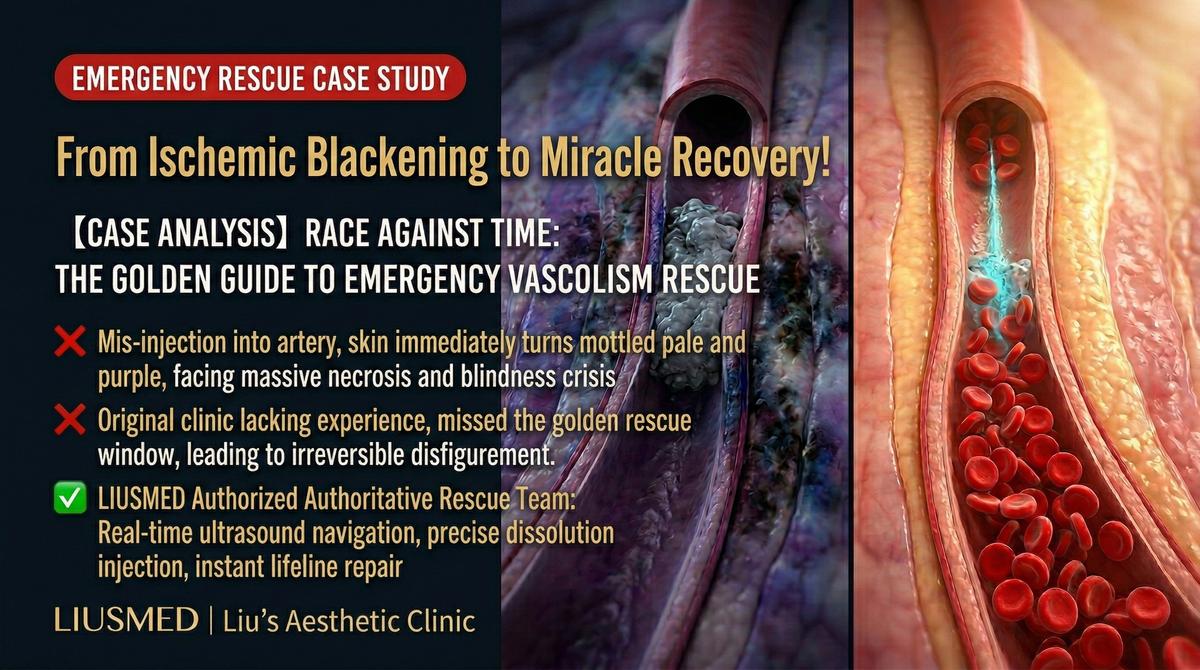
Case Analysis: Vascular Occlusion Emergency Rescue — From Skin Darkening to Recovery
A patient developed vascular occlusion symptoms after filler injection at another clinic and was urgently transferred for ultrasound-guided emergency intervention. This de-identified case documents the complete rescue process from occlusion detection to recovery.
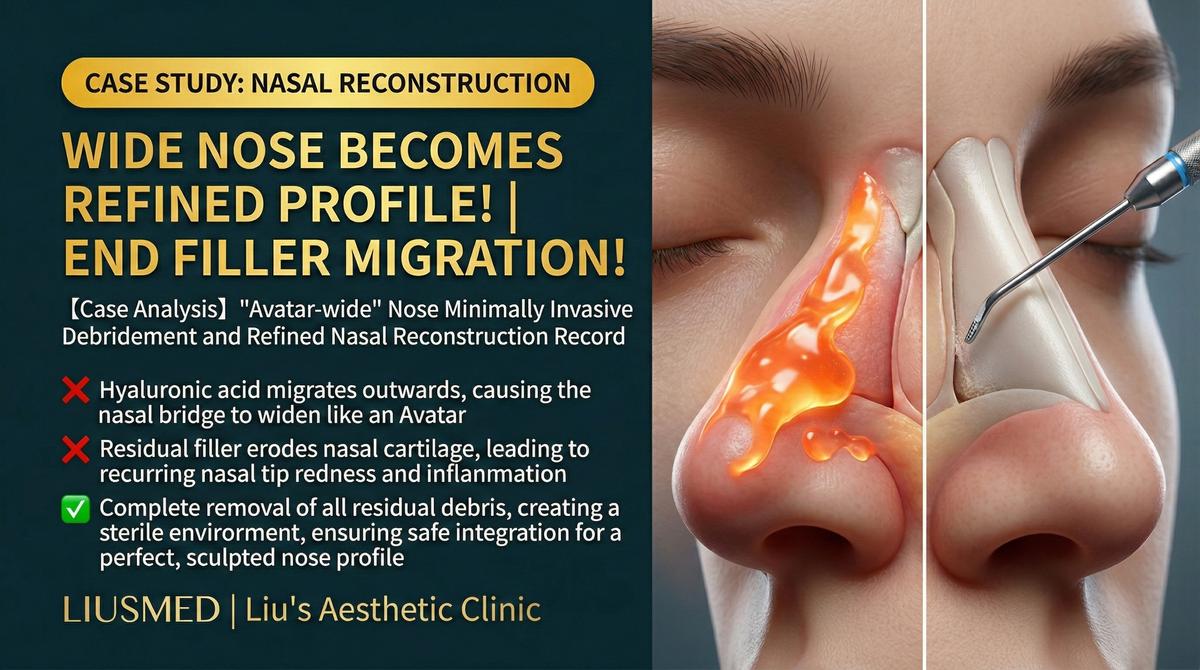
Case Analysis: Nose Filler Displacement — Extraction and Nasal Contour Reconstruction Record
A patient experienced filler displacement after nasal hyaluronic acid injection, resulting in asymmetry and irregular nasal contours. This de-identified case documents the ultrasound-guided micro-extraction and nasal reconstruction process.
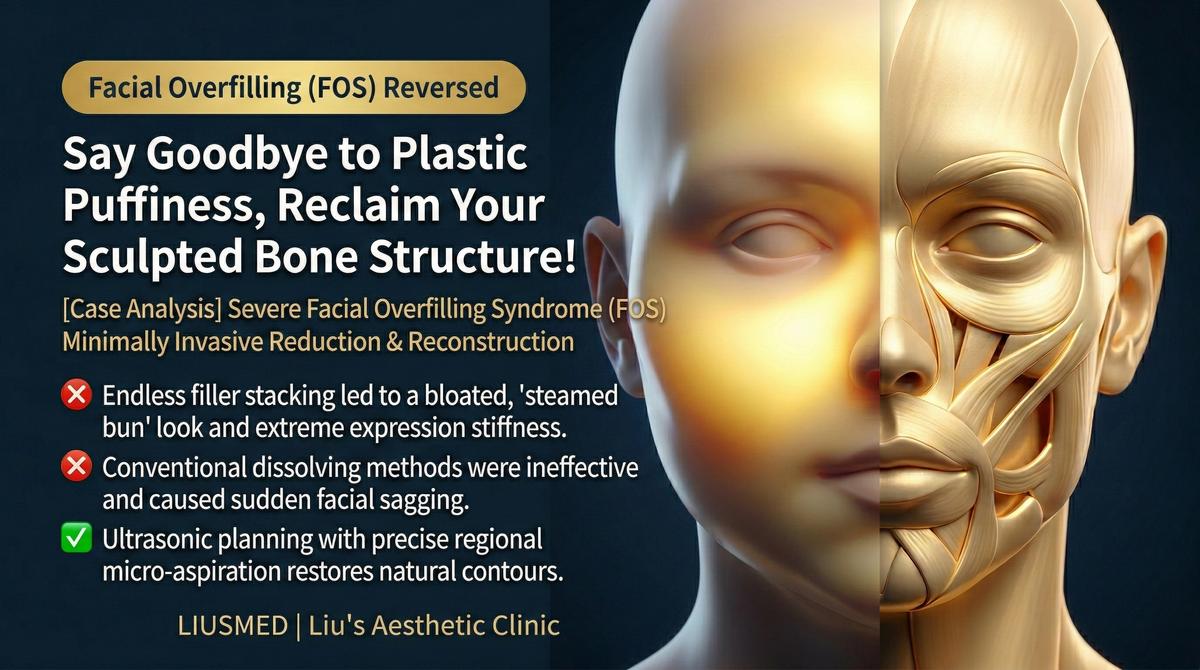
Case Analysis: Severe Pillow Face (FOS) — Full-Face Micro-Extraction and Reconstruction Record
A patient with severe pillow face from years of cumulative injections underwent staged ultrasound-guided full-face micro-extraction to restore natural facial contours. Complete de-identified case documentation.
Success Stories
View All Cases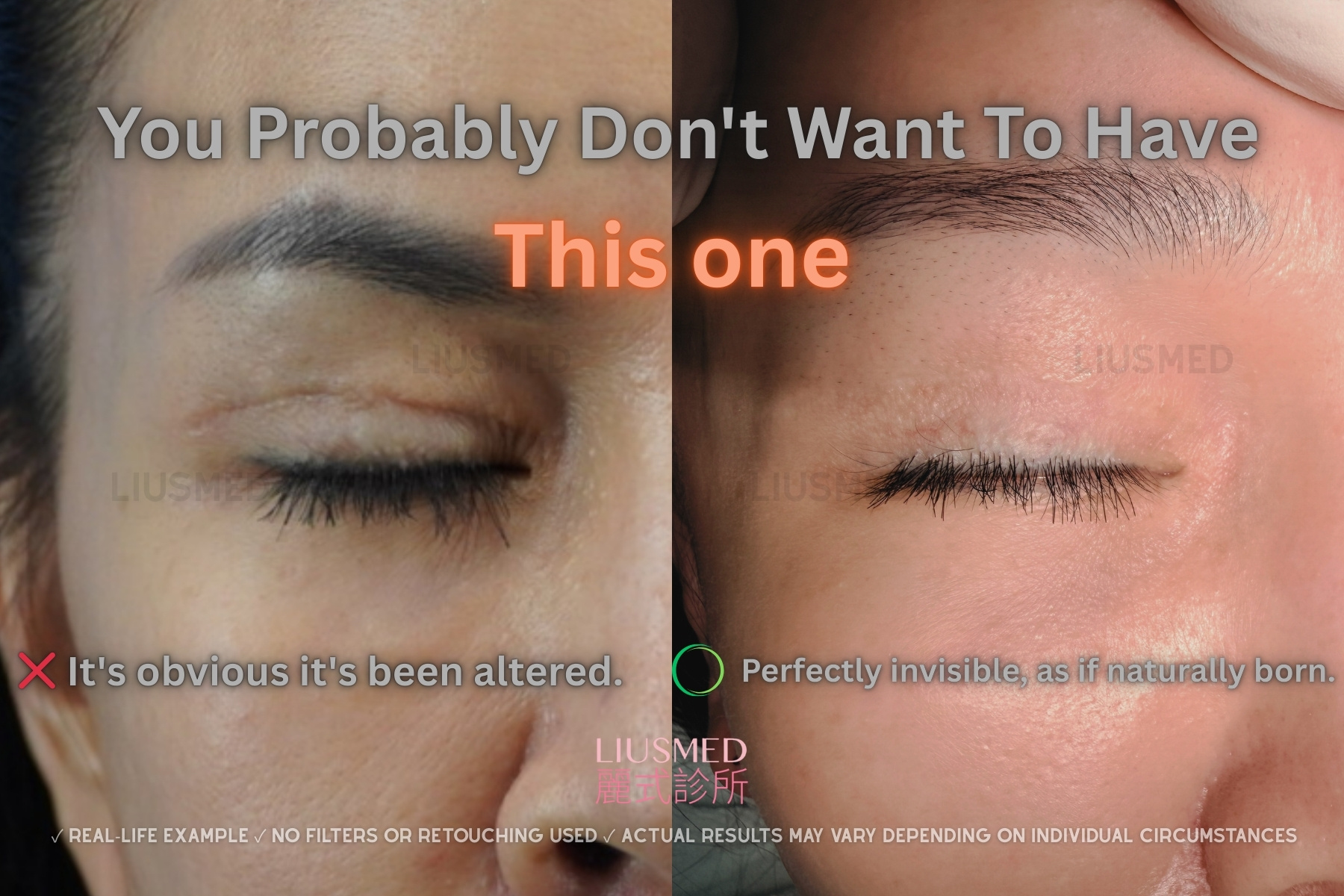
Let Scars No Longer Be a Burden
Book a consultation and let us evaluate your scar condition to create the best treatment plan.
Consult Now