
Axillary Odor SurgeryGuide
4mm Incision, Low-Pain & Long-lasting with Rotational Curettage
Micro rotational curettage for bromhidrosis is a long-lasting treatment using a 4mm micro-incision to thoroughly remove apocrine glands. Based on 15 years of clinical follow-up, >99% clearance (varies by individual), with recurrence rarely seen on follow-up, using tumescent anesthesia for a much less painful procedure, no compensatory sweating, nearly invisible scars, and simultaneous improvement of sweat and hair issues.
Why Choose Liusmed for Axillary Odor Surgery

Rotary-Blade Minimal Removal
A rotary blade removes the apocrine glands through a small incision, addressing the source of the odor.

Years of Clearance Results
Across 15 years of clinical follow-up, axillary odor clearance is high with low recurrence; individual results vary.

Gentle Pain Relief
No general anesthesia — gentle pain relief substantially reduces discomfort during the procedure.
Can axillary odor be permanently treated, and how does rotational curettage work?
Yes. Axillary odor comes from apocrine-gland secretions broken down by skin bacteria. Our minimally invasive rotational curettage removes those glands under direct vision through a roughly 4 mm incision, done in-clinic under tumescent local anesthesia. Based on 15 years of clinical follow-up, complete apocrine gland clearance is the goal, recurrence rarely seen on follow-up, while also easing sweating and underarm hair.
Table of Contents
What is Apocrine Gland? Why Choose Rotational Curettage?
 What is Apocrine Gland? Why Choose Rotational Curettage?
Axillary bromhidrosis (body odor) is caused by the bacterial fermentation of apocrine gland secretions on the skin surface. Apocrine glands are mainly located in the armpits, areola, and perineal area. Body odor commonly develops after puberty and can affect social confidence and quality of life.
Causes & Genetics of Body Odor
Body odor is primarily influenced by genetics. If one parent has body odor, children have about 50% chance of inheriting it; if both parents have it, the chance increases to 80%. The oils and proteins secreted by apocrine glands, when broken down by skin bacteria, produce the characteristic odor. Hormonal changes during puberty activate apocrine glands, which is why body odor typically becomes noticeable after puberty.
Why Physical Removal Achieves Lasting Results?
Antiperspirants and Botox only temporarily suppress secretion without resolving the condition. MiraDry microwave treatment is non-invasive but can only destroy about 70-80% of glands with higher recurrence rates. Surgical "physical complete removal" of apocrine glands provides a long-lasting solution. Micro rotational curettage achieves a high removal rate with minimal scarring, a suitable option for most cases.
When to Consider Surgery?
- Body odor detectable within 1 meter by self or others
- Antiperspirants and Botox prove ineffective
- Odor affects social, professional, or intimate relationships
- Avoiding sleeveless or short-sleeved clothing in summer
- Combined excessive sweating and odor issues
Body Odor Treatment Comparison
Why Choose Liusmed Micro Rotational Curettage?
| Treatment | Removal Rate | Recurrence | Incision | Recovery | Notes |
|---|---|---|---|---|---|
| Traditional Surgery | 80-90% | 15-25% | 5-10 cm | 2-4 weeks | Large wound, visible scar |
| MiraDry Microwave | 70-80% | 20-30% | None | 3-5 days | Multiple sessions needed |
| Laser/Electrocautery | 60-70% | 30-40% | Pinhole | 1 week | Incomplete removal |
| Liusmed Micro Curettage | Complete clearance is the goal | Rarely seen on follow-up | 4mm | 1-2 days | Direct vision complete removal |
Note: Recurrence data from Dr. Liu's 15-year clinical follow-up. Liusmed technique uses direct vision operation to ensure complete apocrine gland removal.
Liusmed Micro Rotational Curettage
Traditional body odor surgery requires 5-10cm incisions to ensure complete removal, leaving obvious scars with long recovery. Liusmed Clinic uses a special micro rotational curettage probe (only 0.4cm diameter), through a 4mm micro-incision, precisely removing apocrine glands at the dermal-subcutaneous junction under direct vision, with complete removal as the goal.

4mm Minimal Incision
Tiny incision, nearly invisible scar

Three-in-One
Improves odor, sweat and hair together

No Compensatory Sweating
No nerve cutting, no temperature regulation impact

Long-lasting Results
Recurrence rarely seen in our long-term follow-up

Three-in-One: Addressing Three Concerns Together
Micro rotational curettage surgery removes apocrine glands while also treating eccrine sweat glands and hair follicles in the area. Therefore, one surgery can address body odor (complete clearance as the goal), underarm sweating, and underarm hair together. For patients with both sweating and odor issues, this is an approach that balances a small incision with recovery.
Why Does Liusmed Technique Not Cause Compensatory Sweating?
Compensatory sweating (like hand sweat transferring to the back) only occurs when the "sympathetic nerve" is cut. Liusmed micro-surgery only targets the "apocrine glands" under the skin, without touching the nervous system, so it won't affect temperature regulation or cause compensatory sweating. This is why we insist on not using sympathetic nerve cutting procedures.
Surgical Process
Tumescent Anesthesia × Direct Vision × Fast Recovery

Professional Consultation
Doctor personally assesses odor severity and source, using iodine-starch test to locate apocrine gland distribution

Tumescent Anesthesia
Special tumescent anesthesia technique - only the first injection has a mild prick, the procedure is much less painful afterward; non-general anesthesia, real-time communication, varies by individual

Micro Rotational Curettage
Through 4mm incision, using rotational probe to thoroughly remove apocrine glands under direct vision, with complete removal as the goal

Post-op Care Instructions
Simple compression bandage, detailed care instructions provided, follow-up visit in 14 days
Post-Operative Recovery Guide
Very short recovery - most patients can resume light daily activities 1-2 days after surgery
- •Keep underarm dry for first 24 hours, avoid water contact
- •Avoid raising arms significantly for 3-5 days post-surgery
- •Can shower normally, but avoid direct water on underarm area
- •Strenuous exercise should wait until 2 weeks post-surgery
- •Use antibiotic ointment as prescribed to prevent infection
- •Follow-up visit in 14 days to assess recovery
About the Author
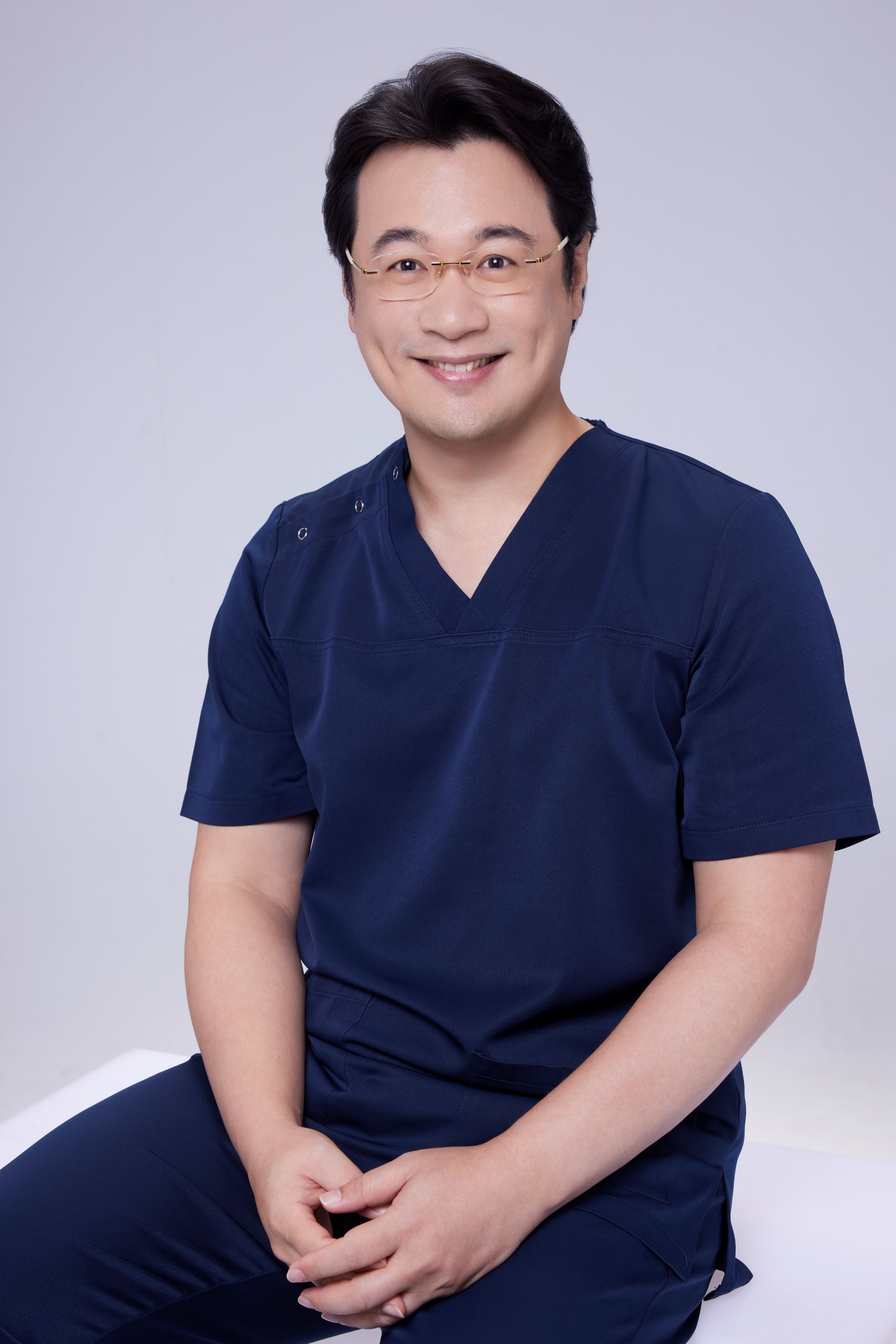
Dr. Ta-Ju Liu
Director, Liusmed Clinic
- Over 20 years of micro body odor surgery experience
- Extensive micro body odor surgery case experience
- Board-certified Dermatologist
- Expert in micro rotational curettage for apocrine glands
- Long-time advocate of the "Clean First" philosophy
"I adhere to the 'Clean First' philosophy, ensuring every apocrine gland is removed under direct vision. In our long-term clinical follow-up, recurrence is rarely seen - this is the standard the Liusmed technique continually works toward."
Frequently Asked Questions
Does the surgery hurt?
Not completely painless, but with our tumescent anesthesia plus gentle pain-relief most patients feel only a mild prick on the first injection and finish comfortably; the procedure is much less painful afterward, with mainly the vibration of the doctor operating. It is non-general anesthesia, allows real-time communication, and varies by individual.
Will I experience compensatory sweating after surgery?
By mechanism, no. Compensatory sweating (like hand sweat transferring to the back) only occurs with sympathetic nerve cutting. Our micro-surgery only targets the apocrine glands under the skin, without touching the nervous system, so it won't affect temperature regulation or cause compensatory sweating.
I heard odor surgery has high recurrence rates?
This depends on how thorough the surgery is. Recurrence usually happens when apocrine glands aren't completely removed. Dr. Liu follows a "Clean First" principle, with complete clearance as the goal under direct vision. In our 15 years of clinical follow-up, recurrence is rarely seen.
How soon can I return to work or exercise?
Recovery is very quick. Most patients can resume light daily activities (like office work) 1-2 days after surgery. However, avoid raising arms significantly for 3-5 days post-surgery for better wound healing. Strenuous exercise should wait until 2 weeks after surgery.
How much does the surgery cost? Is it covered by insurance?
Micro rotational curettage surgery is a self-pay procedure. Cost varies based on severity and treatment area - exact fees are discussed case-by-case via LINE or in person. Traditional odor surgery may be partially covered by health insurance, but micro-surgical materials and technique fees are self-pay.
How severe should odor be before considering surgery? Can mild cases get surgery?
We generally recommend surgery for moderate to severe cases (detectable within 1 meter by self or others). Mild cases can try conservative treatments first (antiperspirants, Botox injections). If these don't work or you want a long-lasting solution, micro-surgery is an option. Dr. Liu provides personalized recommendations during pre-operative assessment.
Related Services
Underarm Odor & Hyperhidrosis — Rotary Blade Technique
Wear white tees in summer; raise your arms without checking yourself first
Complete clearance as the goal · very low documented recurrence · 4mm incision
Your Underarm Treatment Includes
Rotary blade technique precisely clears apocrine glands
Physical gland removal — different mechanism from laser "burn" approaches
Tumescent anesthesia — minimal pain
Simultaneously addresses sweating and hair concerns
4mm incision · no compensatory sweating post-op
Included and aftercare
- Suture Removal Included
- Photo Upload + Online Wound Care Advice
- 14-Day / 1-Mo / 3-Mo Follow-Up
- Post-Op Light Therapy Included
- Post-Op 3-Modality Recovery System Included
Select any item to see its full scope and exclusions
Not sure which approach fits you?
Send a few photos first, or book a consultation directly. How booking works
Featured Poster

15 Years of Clinical Follow-up.
Complete apocrine gland clearance as the goal.
Want to confirm the odor is coming from here?
The same smell can come from different areas. The cross-region Odor Map lets you compare causes and characteristics by location, so you can confirm the source before deciding on surgery. If it traces to a region we treat, reach out for an assessment.

Book Professional Consultation
Let us evaluate a suitable treatment plan for you. Micro rotational curettage addresses odor, sweat, and hair concerns together in one procedure.
Book Axillary Odor Surgery Consultation