Filler Failure Repair Authority Guide
Pillow Face Repair × Lump Micro-Extraction"Your doctor said nothing more can be done" — We step in
When fillers (hyaluronic acid, Ellansé, Sculptra, etc.) form stubborn lumps, granulomas, or cause "pillow face," dissolvers alone are often ineffective because protective capsules have formed. Dr. Liu at Liusmed Clinic specializes in the "Micro-Pinhole Extraction" technique, removing encapsulated foreign bodies through pinhole-sized micro-incisions, restoring natural contours without major surgery — a refined solution for filler complications.
Table of Contents
Final Stop: When You're Told "This is Normal," We Say "Let Us Help"
Doctor, I can't even look in the mirror anymore.
This was the first thing a patient told me six months after getting injections elsewhere, when a visible lump formed under her eye. She returned three times, but the responses were always: "It's your body type," "Wait two years for it to metabolize," "We've done all we can." She tried dissolvers—no response. Steroids—still no change.
After careful evaluation, we performed "Micro Lump Removal Surgery": the wound was only pinhole-sized, precisely removing the stubborn foreign body, with only mild swelling and bruising that recovered in one week, leaving a scar that is barely noticeable once healed.
When I showed her the completely removed lump on the sterile tray, she suddenly burst into tears. Not from pain, but because: "Finally, someone believed me and was willing to help."
The Answers You've Been Searching For Are Here
In today's aesthetic medicine era, filler complications are a nightmare many people dare not face. You may be experiencing:

Are You Experiencing These Issues?
 Palpable or visible lumps and nodules under skin
 Uneven contours and strange lines in filled areas
 Over-filling causing "puffy" facial deformation
 Persistent unexplained bumps long after procedure
 Poor results after dissolution agent attempts
 Refused treatment by other doctors
 Multiple dissolver injections with no effect
 More fillers making it worse, afraid to smile
We want to tell you: This is not hopeless, and you don't have to just wait for natural absorption.
Video Testimony
See how we helped a desperate patient escape the shadow of under-eye lumps
Available with subtitles: 繁中 · English · 日本語 · 한국어
When the complete lump was removed and placed on the sterile tray, her tears were not from pain, but because someone finally solved her suffering.
Why Are Repair Doctors So Rare? The Truth About High-Difficulty Treatment
Doctors who specialize in lump and pillow face repair are very rare. Why? Because "destruction is easy, construction is hard; repair is the hardest of all." Facing unpredictable immune reactions, encapsulated tissue, or displaced fillers is extremely challenging:

Extremely High Risk
Lumps often adhere near nerves or blood vessels; careless removal may cause injury.

Technical Barrier
Requires advanced anatomical knowledge and microsurgery skills to remove foreign bodies through a pinhole-sized opening, leaving virtually no scar.

Thankless Work
Repair surgery is time-consuming, stressful, and deals with anxious, traumatized patients.
Liusmed Clinic Chooses to Be Your "Rescue Station"
Dr. Liu has over 15 years of minimally invasive surgery experience. We don't avoid difficulties—instead, we've established a standardized FOS (Facial Overfilled Syndrome) repair protocol.
Beyond Lumps: 6 Long-Term Complications That Can Emerge After Injection
Filler failure goes beyond palpable lumps. From acute vascular events to delayed immune reactions, these are the real risks you should know about.

Vascular Occlusion & Necrosis
Intra-arterial injection or vascular compression causes tissue ischemia, ulceration, or even blindness — the most severe acute complication.

Nerve Damage
Needle misplacement or compression of facial nerve branches can cause numbness, paresthesia, or temporary facial asymmetry.

Facial Asymmetry
Uneven volume distribution, inconsistent depth, or differential material absorption causes left-right facial swelling mismatch.

Tyndall Effect / Hyperpigmentation
Superficial HA placement causes bluish-purple tint (Tyndall effect), or post-inflammatory pigmentation leaves persistent discoloration.

Capsule / Foreign Body Reaction
Body treats filler as foreign material and forms a fibrous capsule around it. Once formed, dissolvers can no longer penetrate.

Delayed Immune Reaction
Months or even years post-injection, immune fluctuations from colds, vaccines, or dental inflammation suddenly trigger inflammation around dormant filler.
Liusmed Clinic has seen many patients who were told elsewhere "it's fine" while actually experiencing these conditions. Bring any pre/post-op records and ultrasound reports to your consultation.
Science: Why Do Lumps and Pillow Face Form?
Many patients wonder: "Why won't the dissolver work?" "Why did swelling appear years later?" This is actually your body's sophisticated immune response.

Capsule Formation (Encapsulation)
The Impenetrable Wall for Dissolvers
When filler enters under the skin, your body builds a fibrous tissue wall (capsule) around the foreign material for protection. Once a capsule forms, dissolvers cannot penetrate to act—this is why multiple injections don't work.

Foreign Body Granuloma
Your Body's "Defense Mechanism"
White blood cells (macrophages) try to engulf the unmetabolizable foreign body, fusing to form giant multinucleated cell networks. In frequently moving areas (like around eyes or mouth), continuous mechanical stimulation makes this network thicker, forming palpable lumps.

Biofilm Effect
Bacteria's Invisible Fortress
Recent research shows stubborn nodules often have "biofilms." Bacteria lie dormant on filler surfaces, immune to antibiotics. When you catch a cold, get vaccinated, or have gum inflammation causing immune fluctuations, bacteria "wake up," causing sudden redness and swelling years after injection.
Real Case: Why You Should Never Self-Massage
Ultrasound Reveals the Truth
Those two "caterpillars" under your eyes are not what you think. Please, stop massaging them yourself.
This 45-year-old patient had collagen-stimulating filler injected under her eyes years ago. It was fine at first, but gradually lumps and bumps appeared, with some areas becoming hollow.
Someone told her: "Why not add some hyaluronic acid to the hollow areas to make the bumps less noticeable?" The result? Different materials mixed together made things more complicated, and her appearance became increasingly strange.
Then came the worst part. She thought: "Maybe if I massage it enough, it will disperse?" So she pressed hard every day, again and again. Instead of getting smaller, it got bigger. The small lumps were irritated into two protruding nodules stuck under her eyes that wouldn't go away.
When I performed the ultrasound, the answer was crystal clear. The subcutaneous structure was completely disrupted. Especially at scanning point #2, that bright white, stone-hard nodule was a classic granuloma reaction.
No matter how strong your hands are, can you massage away a stone? Impossible. You're just constantly irritating it, making the inflammation worse.
In cases like this, relying on guesswork carries a high risk of complications. We always work under ultrasound guidance. Like driving with GPS, we can see exactly where the blood vessels, nerves, and lumps are located, then use micro-pinhole techniques to carefully remove these stubborn formations. Safety is the top priority.
Important Warning
For any collagen-stimulating filler, once lumps appear—do NOT massage. More stimulation only causes more inflammation, and the lumps will only grow larger.
Filler Types We've Treated
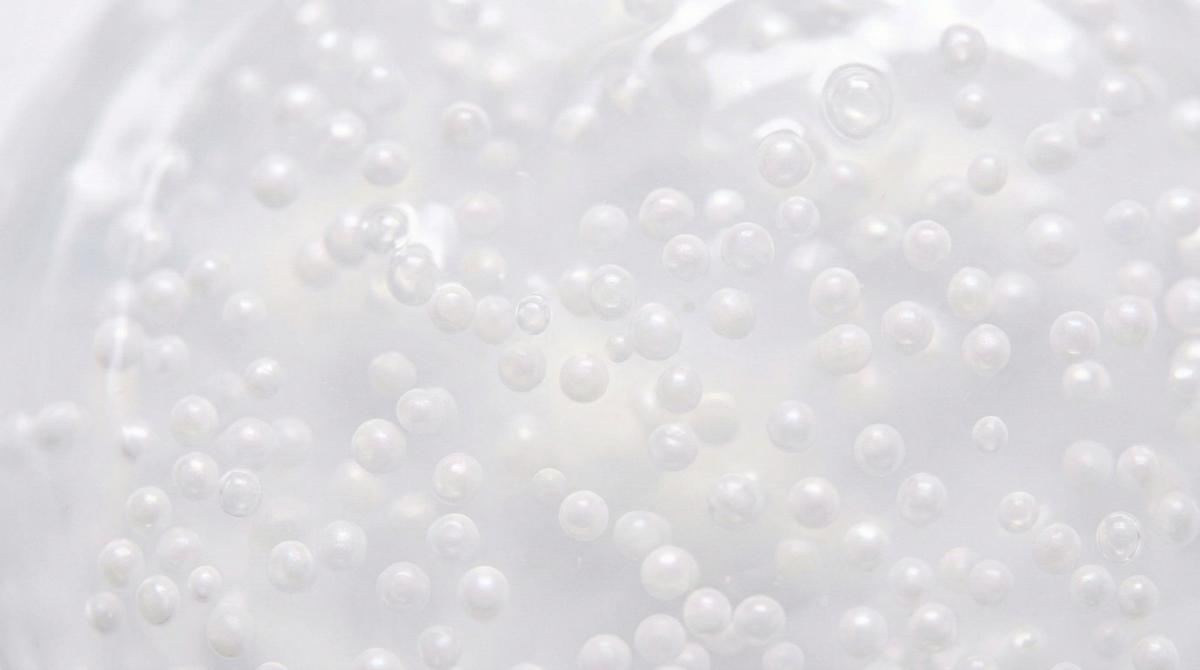
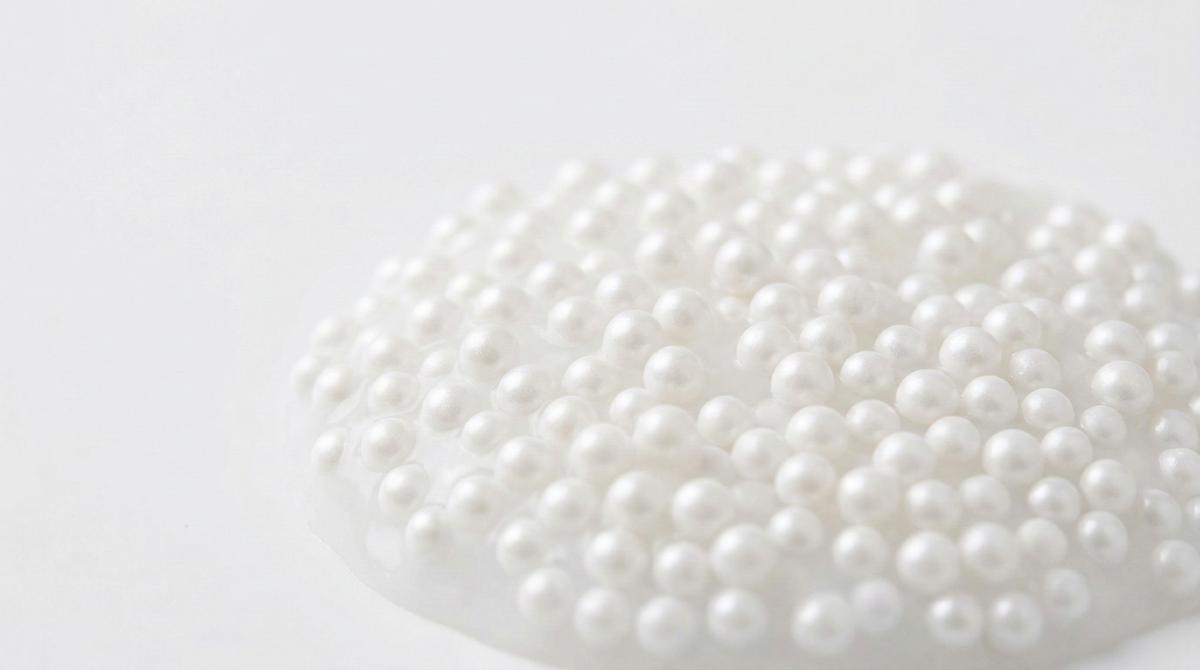
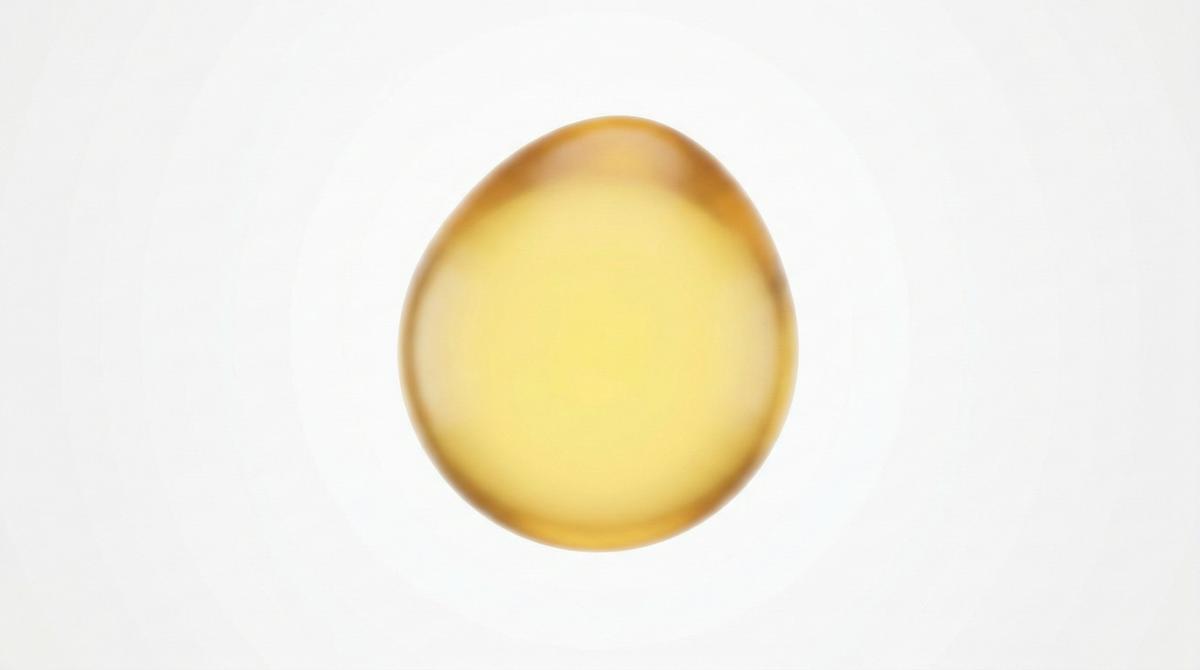
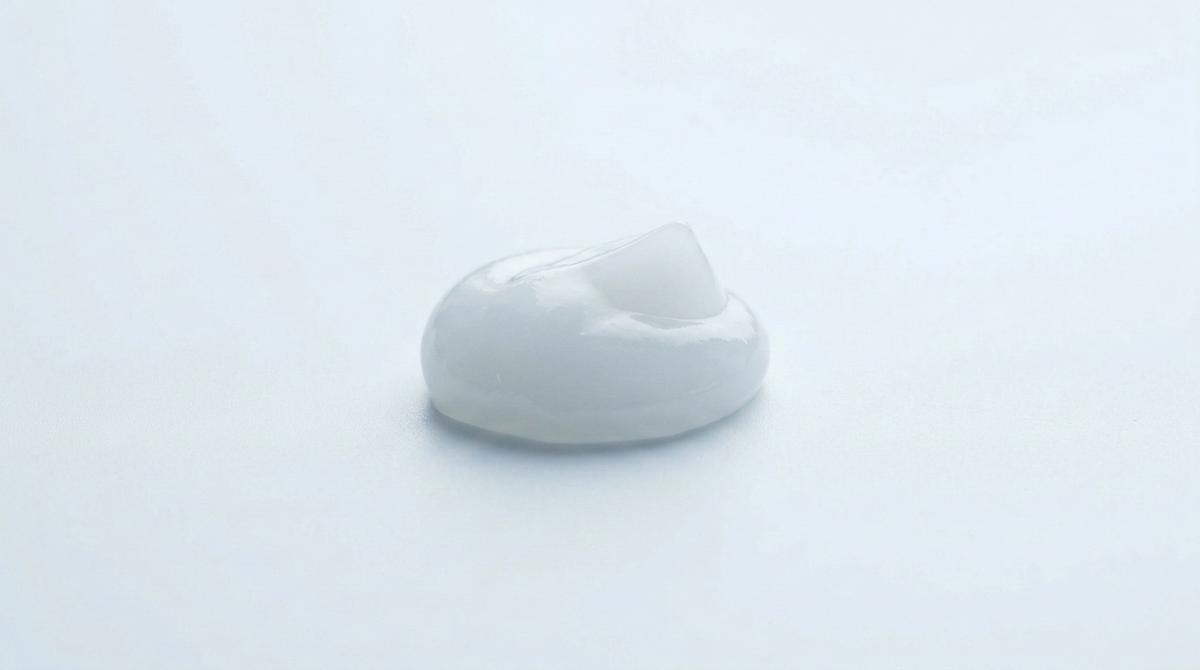
We have experience treating lumps, nodules, and overfilling from all of these

Core Technology: Micro-Pinhole Extraction
We don't use traditional large-incision surgery, but employ minimally invasive repair techniques.
Micro-Pinhole Extraction
Micro-Invasive Pinhole Extraction
Minimal Wound
Only pinhole-sized (about 0.1-0.2 cm), leaving a scar that is barely noticeable once healed

Precise Localization
Combined with high-resolution ultrasound or palpation to target foreign body layers
Complete Removal
Not just removing filler, but also destroying or removing the encapsulating capsule, reducing the risk of re-formation

Clinical Treatment Guideline
Based on years of clinical experience, Liusmed Clinic has compiled a comprehensive FOS (Facial Overfilled Syndrome) diagnosis and treatment guideline. Click to enlarge.
Want to learn more about the diagnostic criteria and treatment methods for FOS (Facial Overfilled Syndrome)?
Read Full Professional ArticleReal Cases: From Despair to Renewal
That "bump" under my eye followed me for three years...
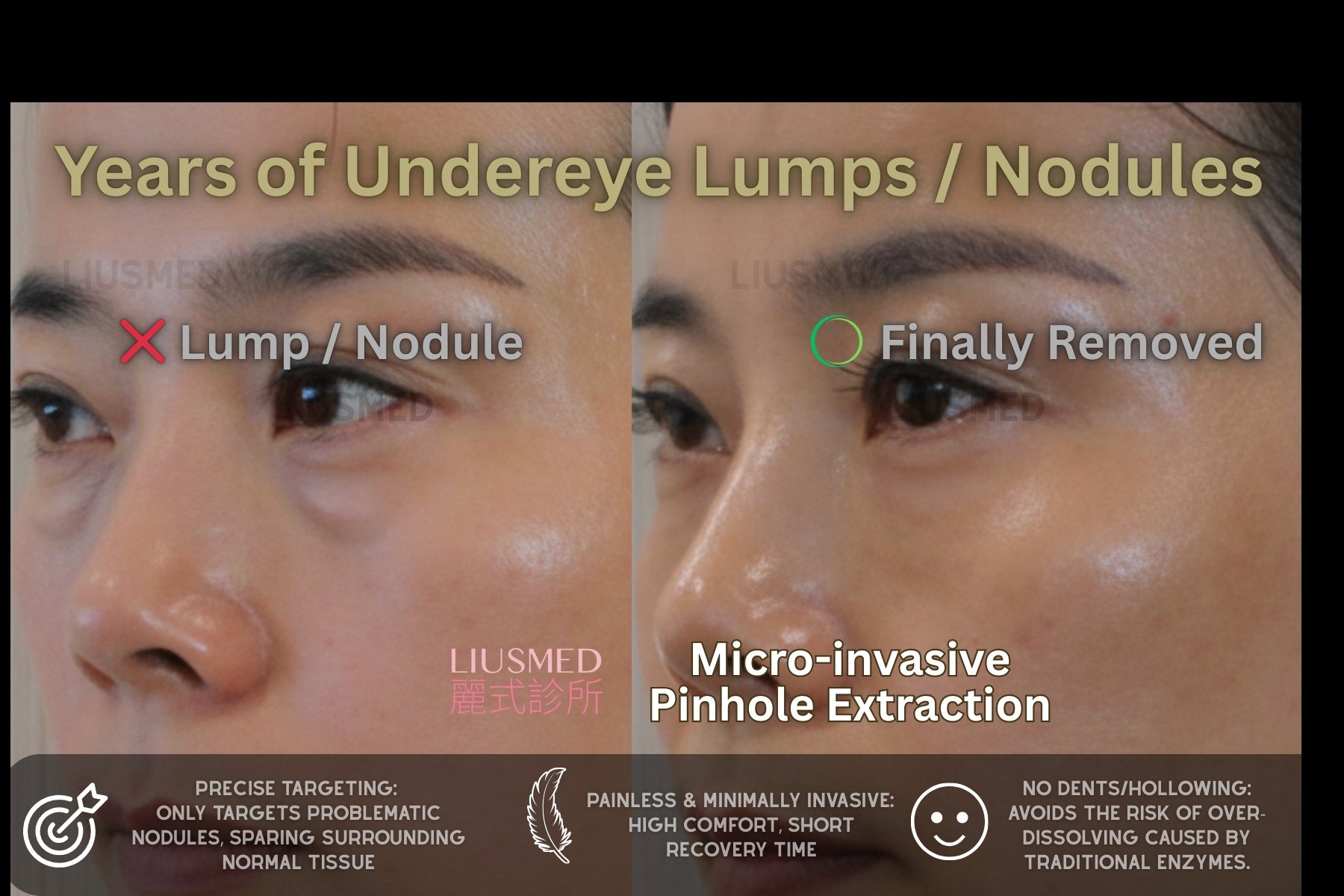
Stubborn nodule formed after tear trough filling, received different answers from many doctors. Finally restored smooth, natural under-eye contour through micro-incision removal.
The "fake eye bags" that two rounds of dissolver couldn't fix—turns out encapsulation was the culprit...
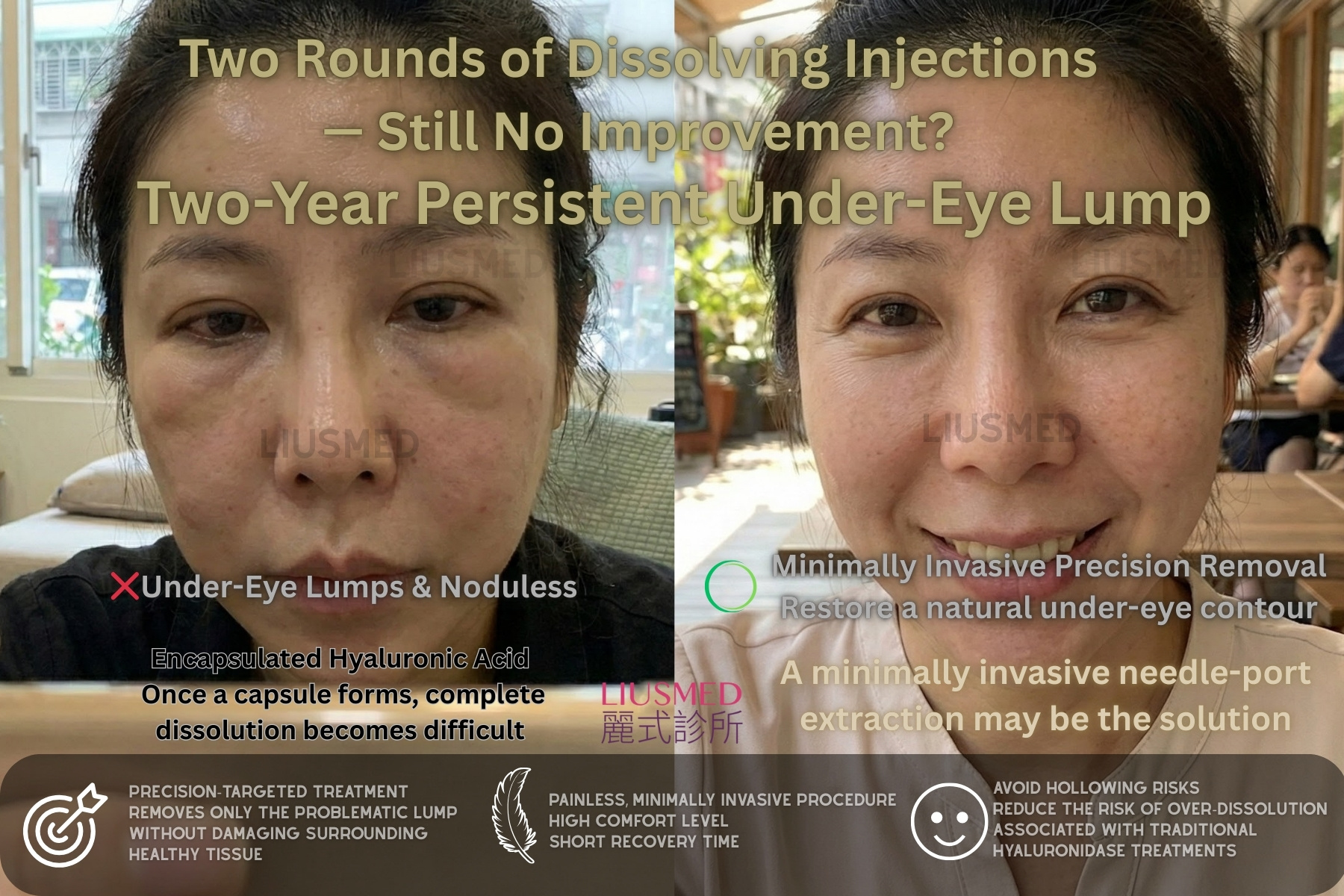
Doctor's Note
Hyaluronic acid that two rounds of dissolver couldn't dissolve formed two "fake eye bags" under the eyes. Examination revealed the HA was encapsulated, requiring precise micro-surgical extraction.
Result: Fake eye bags eliminated, natural contour restored
Caught it! The "caterpillar" under the eye, removed just in time for the holidays...
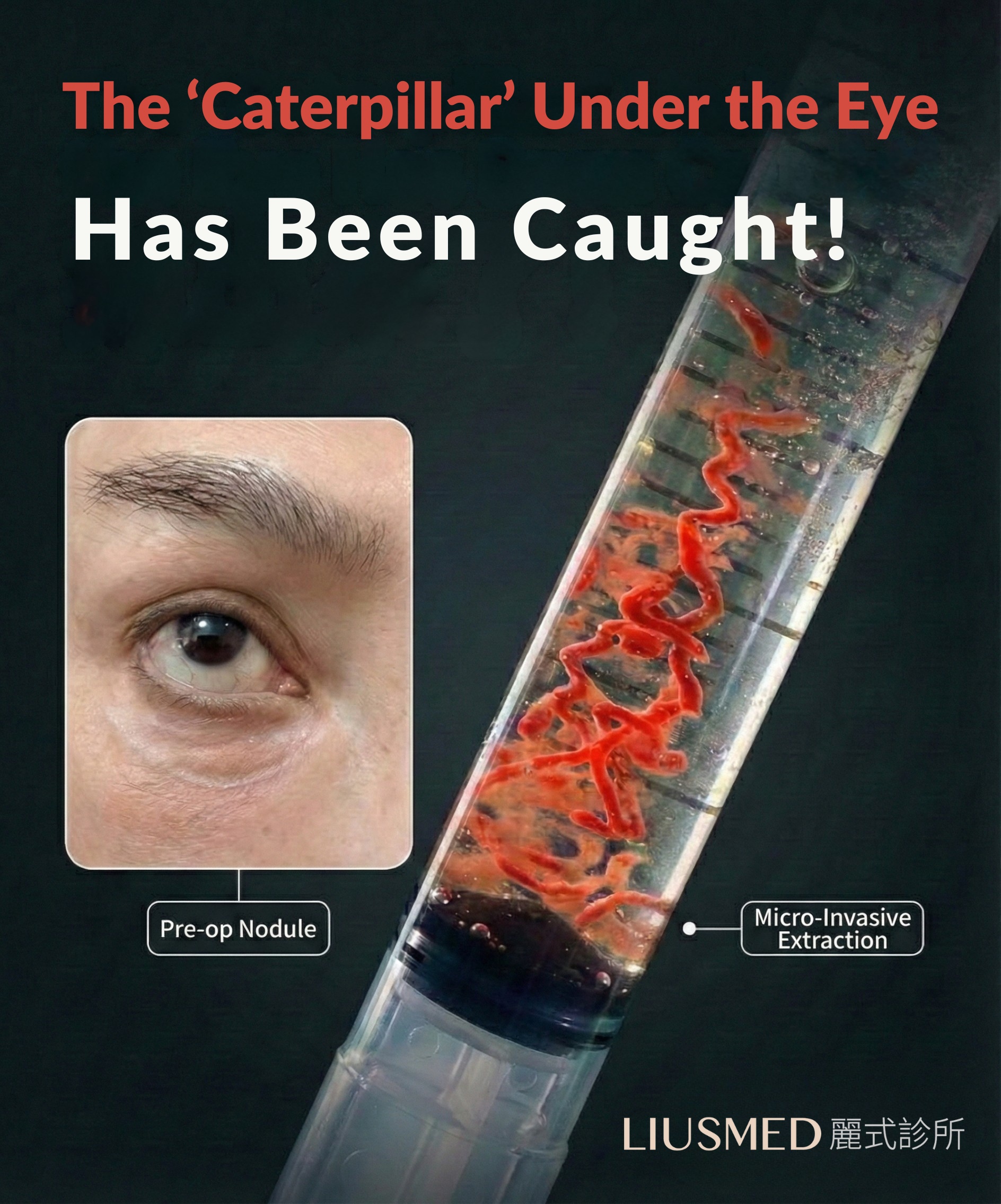
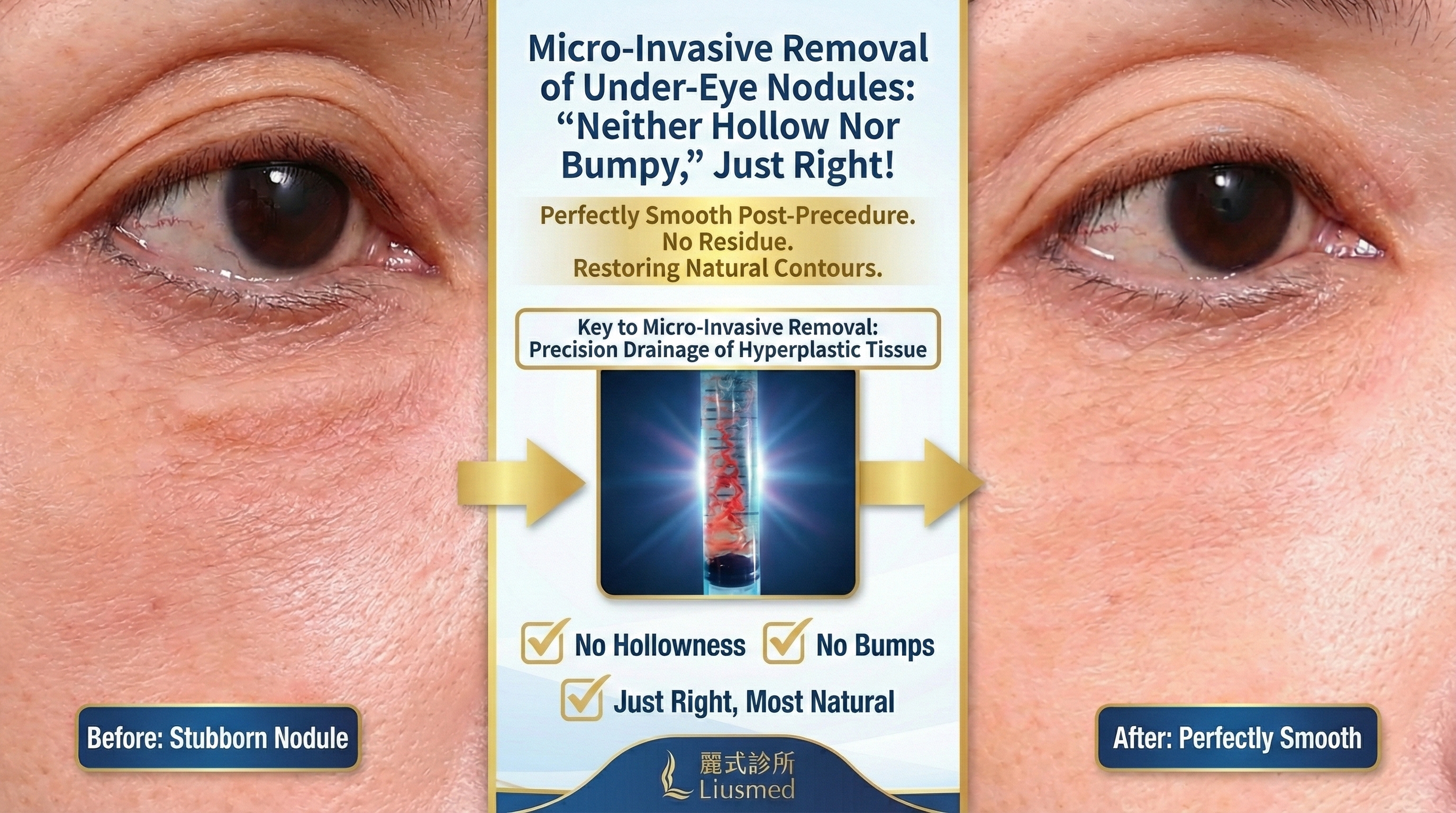
Doctor's Note
This stubborn nodule that hid for 6 months was finally removed just before the holidays. No surgery needed—just one pinhole extraction. At the one-month follow-up, recovery was excellent—no depression, no wrinkling. This proves that with proper technique and precise layer identification, filler removal won't cause disfigurement, but rather restores a more youthful appearance.
Result: Nodule eliminated, natural smoothness restored, no depression or wrinkling
Fat grafted for tear troughs, then a collagen stimulator added to cover the bulge: two nodules stacked under the eye for five years
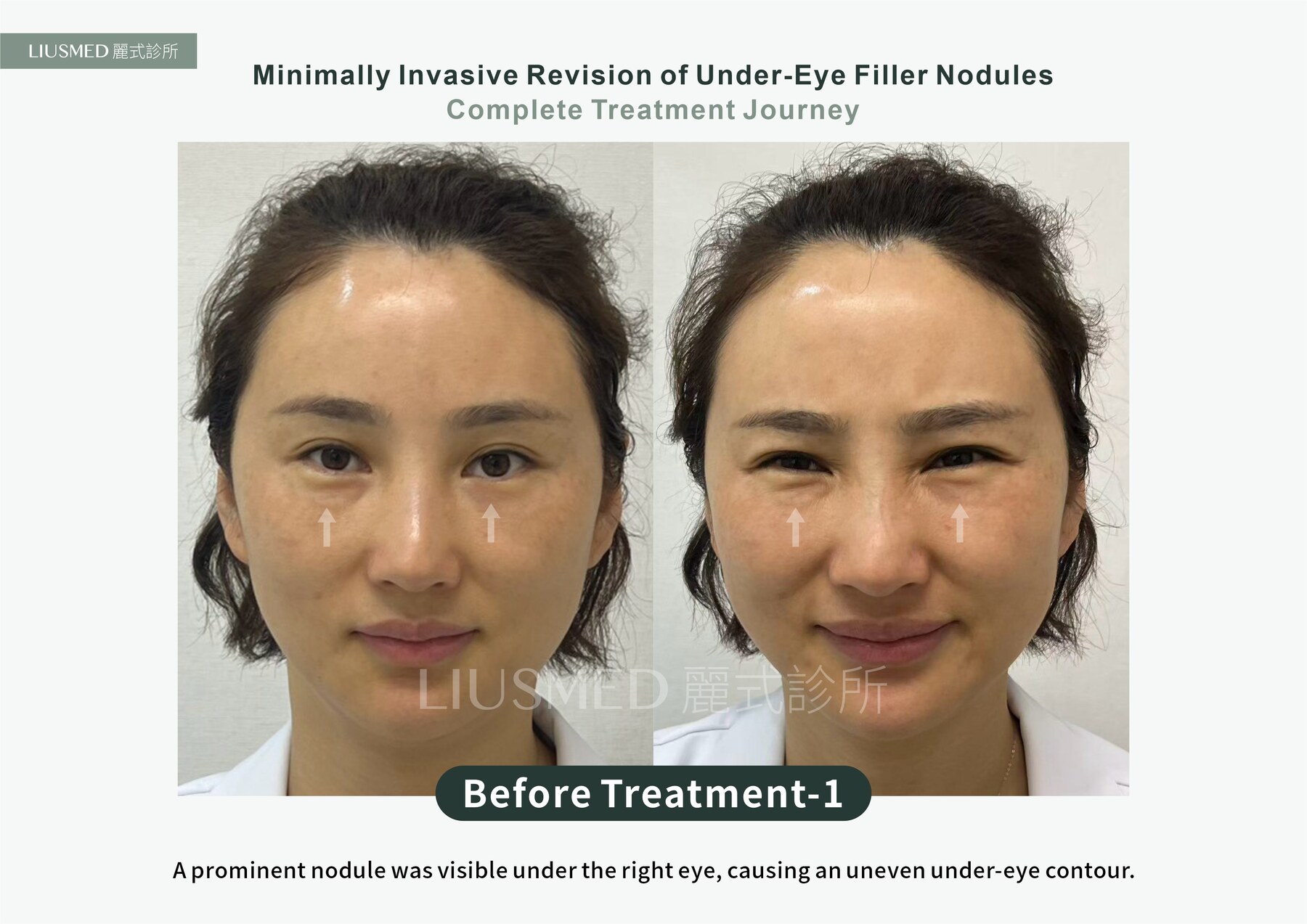
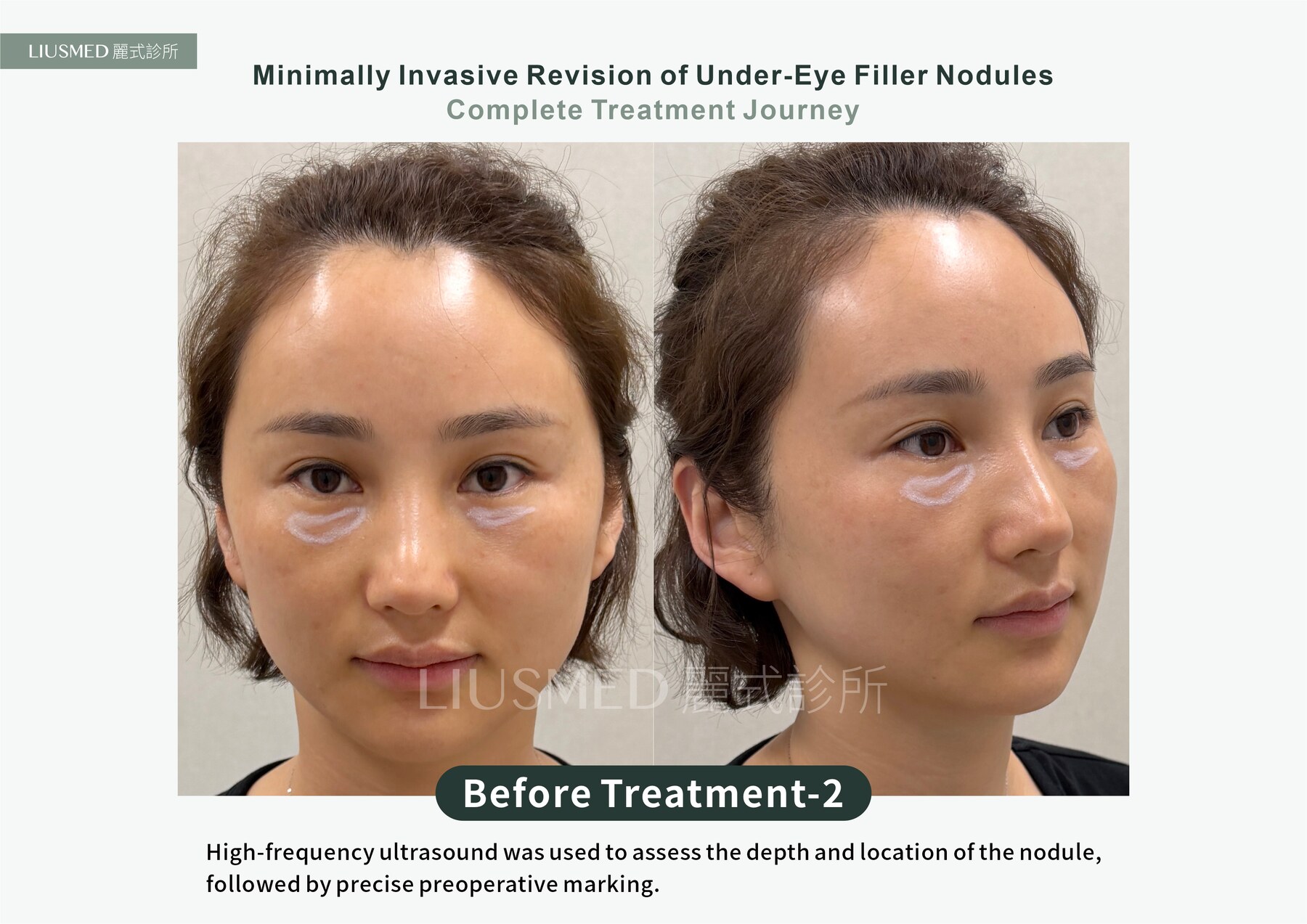
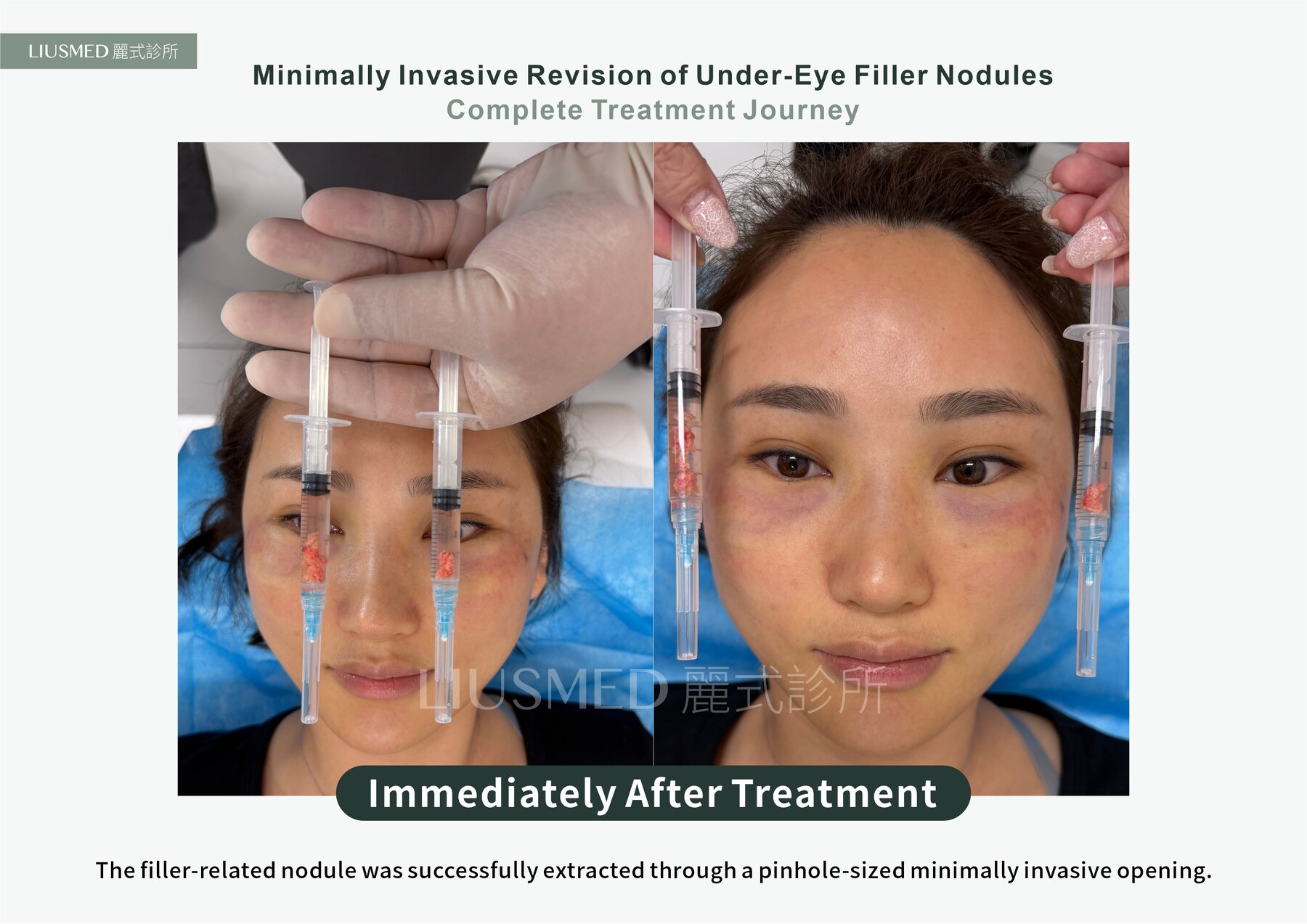
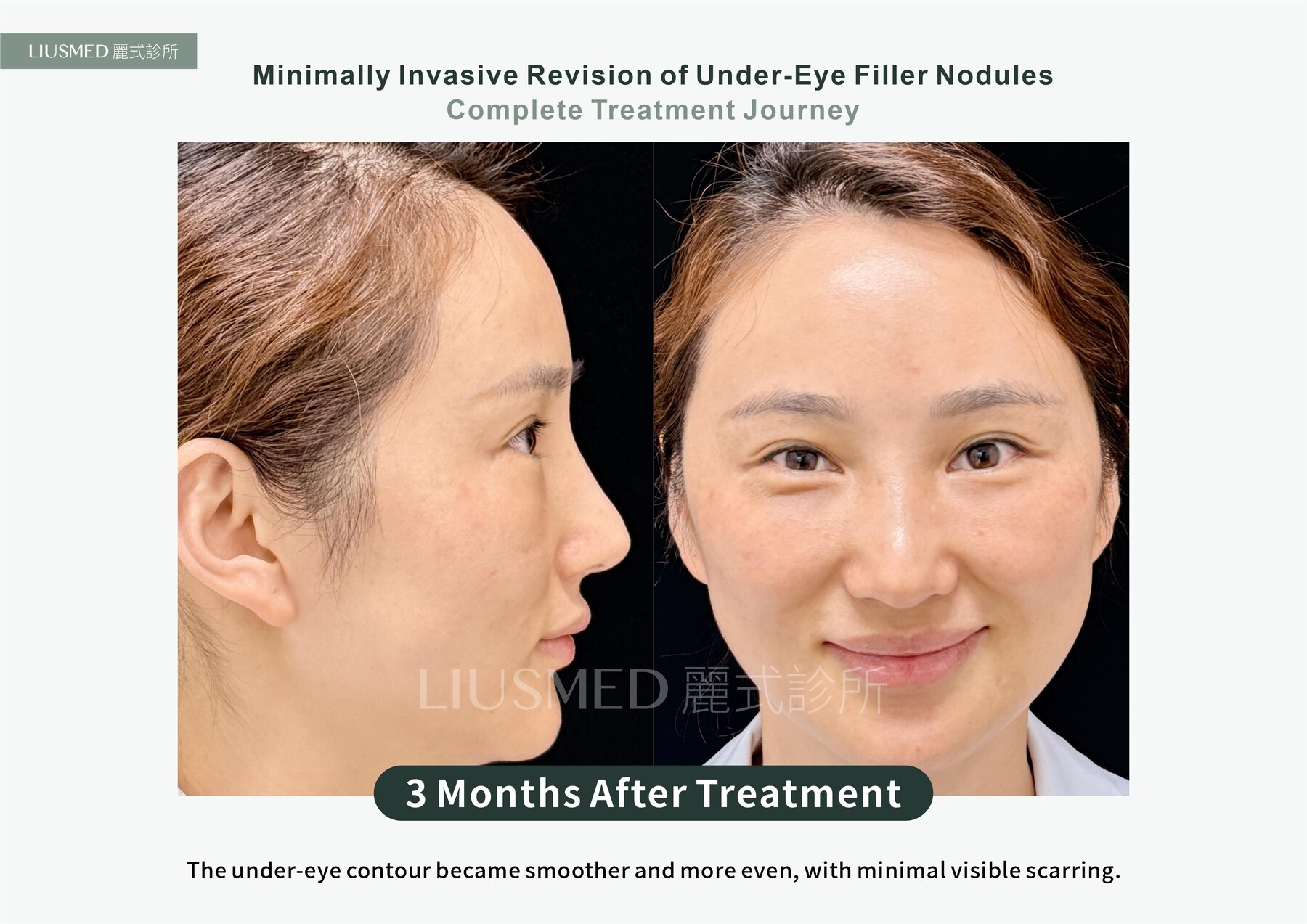
Doctor's Note
What makes this case typical is that the problems were stacked: first a nodule from grafted fat, then a collagen stimulator added to cover that bulge. Once the under-eye area is already raised, adding material rarely levels it out; it usually just leaves one more thing to deal with. The two materials tend to sit at different depths and positions, so high-frequency ultrasound comes first, to see which layer each one is in and how far it extends, which then decides where the pinhole goes. A five-year-old nodule sits in tighter tissue and calls for more care during removal, but it does not disappear just because time has passed. Whether removal is appropriate, and how much can be taken out, still depends on individual assessment.
Ellansé in the forehead, hard lumps for two years, unmoved by hyaluronidase or a saline flush: from the ultrasound lump map to three months after repair
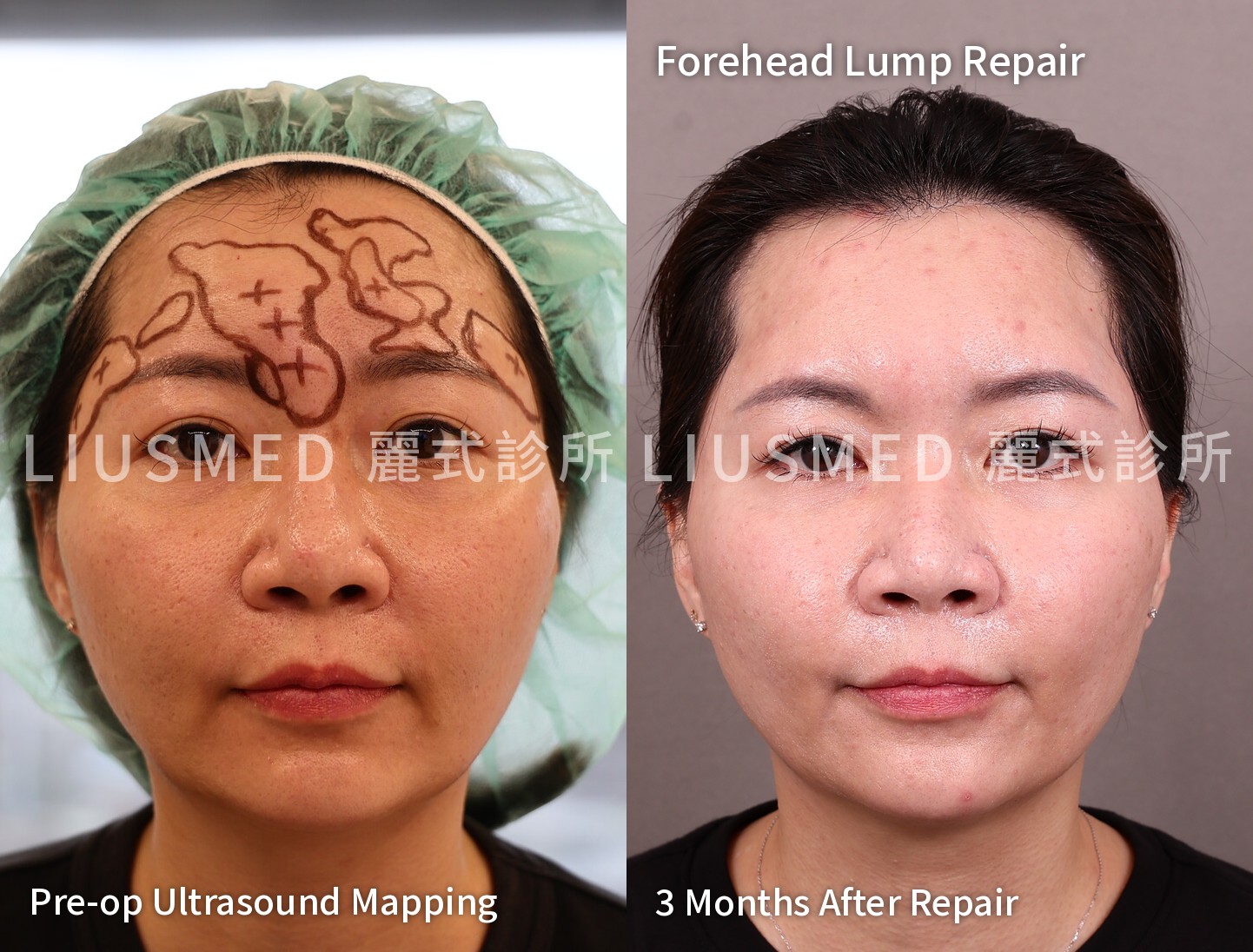
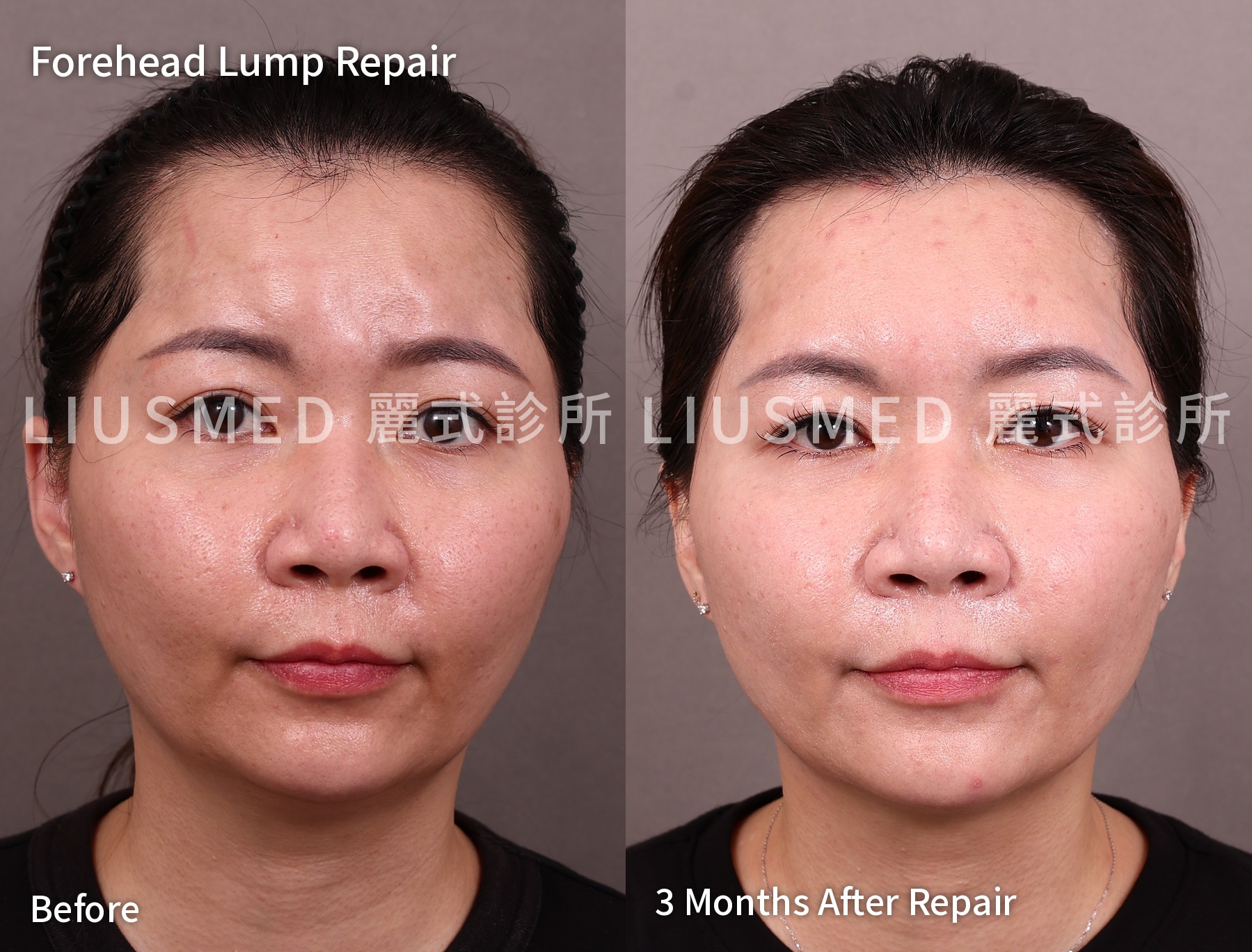
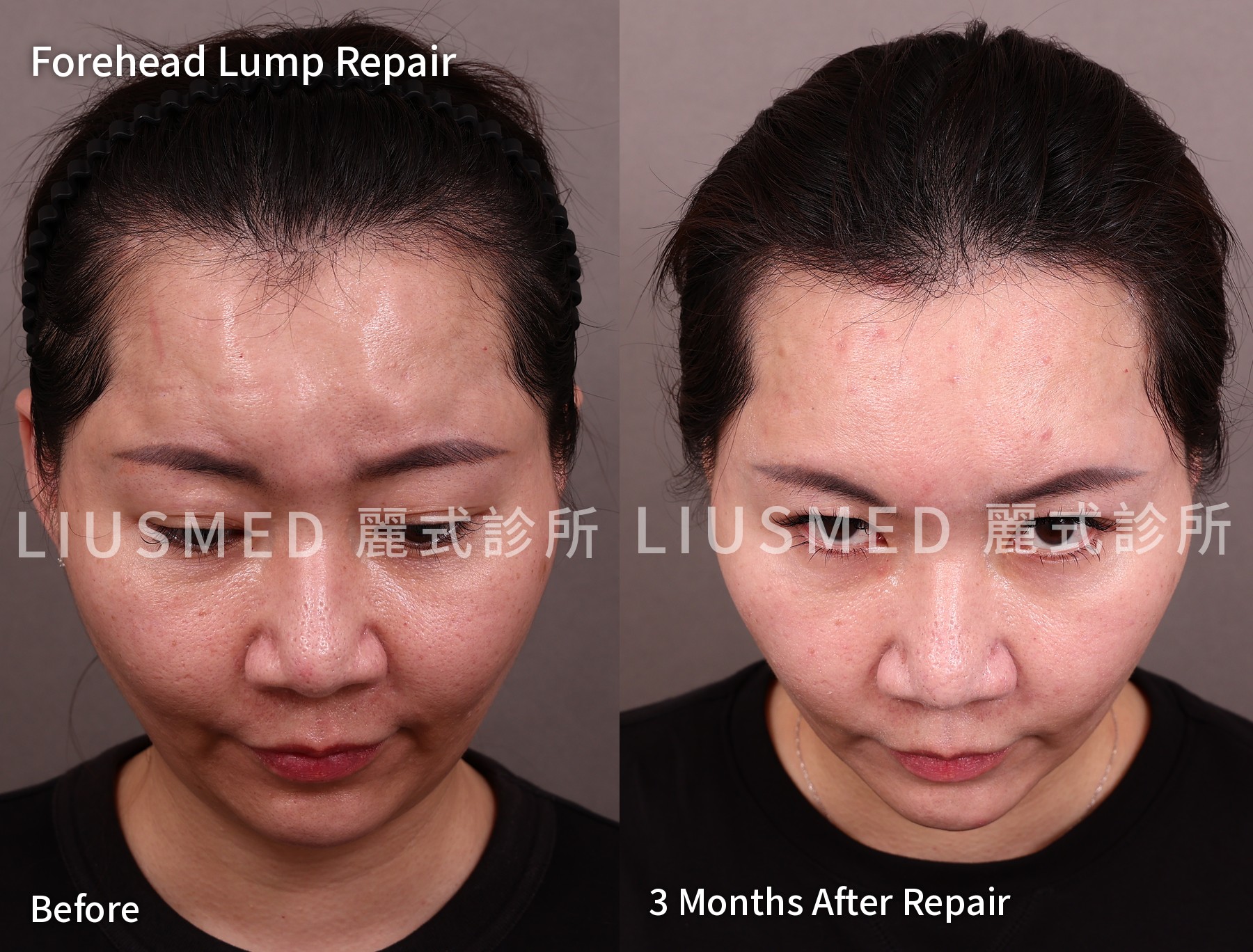
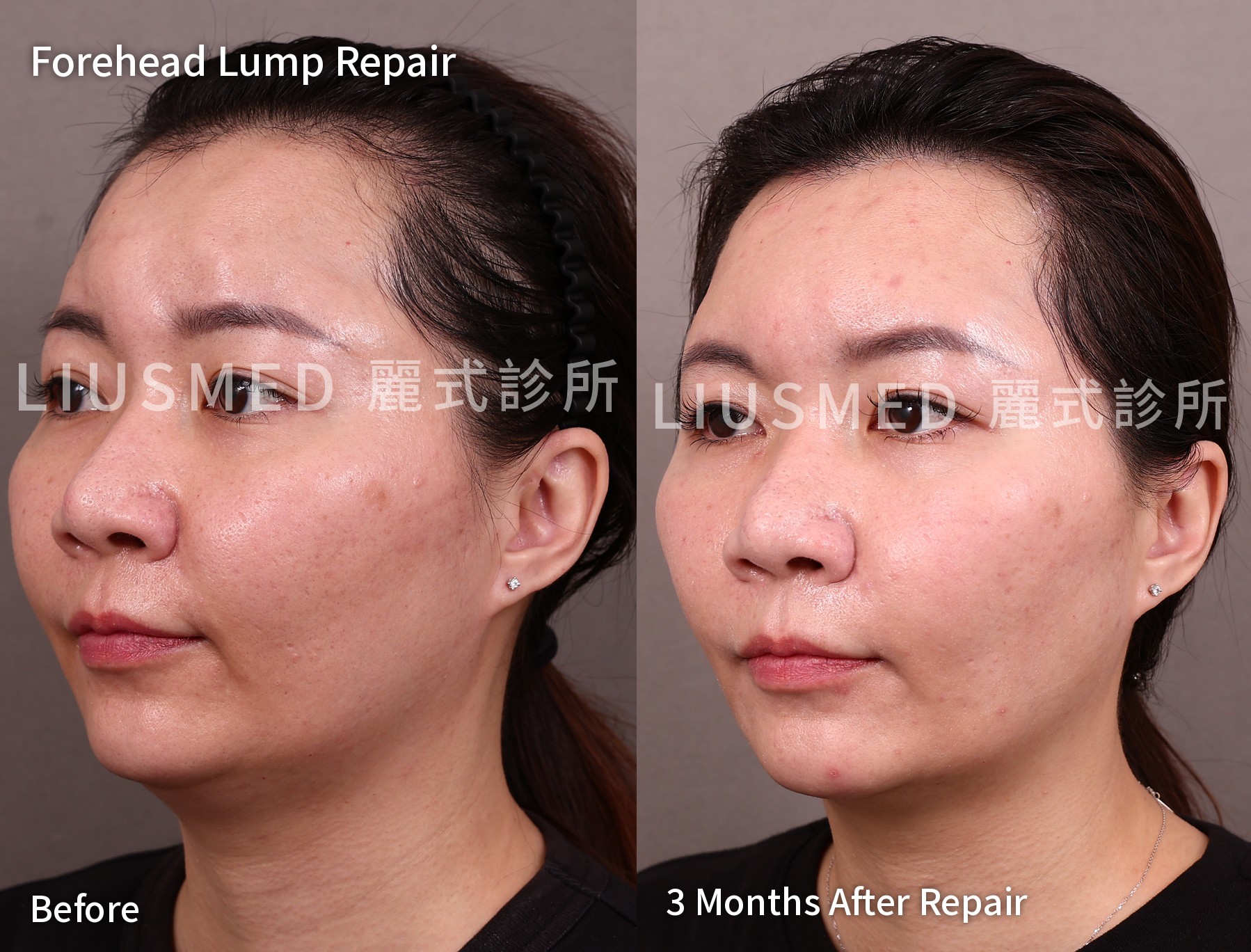
Doctor's Note
The forehead has thin skin lying directly on bone, which leaves very little margin for unevenness, so every lump's extent and depth is mapped with ultrasound before removal. Every photo here was taken three months after repair: right after treatment, fluid and swelling in the tissue temporarily prop the irregularities up, and only at three months does what remains show the real result. Not every lump can be removed completely; the goal is to smooth the irregularities and bring back a natural contour.
That "bump" under my eye followed me for three years...
Stubborn lump after tear trough filling, two dissolver injections ineffective, showing unnatural white tint (Tyndall effect).
Micro-Pinhole Extraction Surgery.
When Dr. Liu showed her the completely removed lump on the sterile tray, she suddenly burst into tears. Not from pain, but because: "Finally, someone believed me and was willing to help." Swelling and bruising settled in about 2–3 weeks, with a scar that is barely noticeable once healed.
Ellansé apple cheeks "pillow face," looked like a bread man when smiling
Kept getting more, apple cheeks moved down, compressing nasolabial folds, stiff expressions.
Micro-approach to remove wrong-layer + excess lumps.
After removing the excess, wrong-layer lumps, the natural mid-face contour came back and her expression softened. What surprised her most: the cheek kept enlarging not because it was "under-filled," but because the structure was trapping the material — seeing where it was caught and removing the excess cleanly was closer to the answer than adding more.
Caught it! The "caterpillar" under the eye, removed just in time
Under-eye Ellansé nodule persisted for 6 months, visible bump that wouldn't go away.
Micro-incision pinhole extraction—one pinhole, suctioned out.
One month post-op, recovery was excellent. No depression or wrinkling at all. Proves that with proper technique and precise layers, filler removal restores a youthful appearance.
The Liusmed Standard: Clean, Even, and Precisely Measured Removal
Many patients have already had a removal elsewhere before coming to Liusmed — but "having had it removed" does not mean it was removed cleanly, and certainly not evenly. The most common situation we see is a surface left bumpy after removal, sometimes with a brand-new hollow. For us, whether something can be extracted was never the point. What truly matters is whether what remains is clean, even, and precise enough to be "neither too much nor too little."

Clean Removal
We remove the stubborn mass and its surrounding capsule thoroughly, leaving no residual fragments that would let the problem recur and become harder to treat later.

Even Surface
After extraction the surface stays smooth — no new craters or wavy irregularities. The most common failure is over-removal that creates a fresh hollow; avoiding it takes restraint and feel, not aggressiveness.

Precise, Not Excessive (Fat Grafting in Reverse)
Before we begin, we map out the raised areas across the whole face and account for how your muscles move the filler when you smile or talk — so that once swelling settles, exactly the right amount is removed while healthy tissue is preserved. It is precision fat grafting performed in reverse.
This feel for evenness and precision comes from Dr. Ta-Ju Liu's years of underarm rotary-blade surgery, liposuction-and-grafting, and liposuction revision — drawing on the same judgment of facial tissue layers and dynamics.
At follow-up one to two months after the procedure, most patients give positive feedback on how even and natural their contours look.
Why Choose Liusmed
Repair Process
Precise Assessment × Micro Repair × Complete Follow-up

Consultation
Understanding your situation, filler history, and expectations with hands-on examination

Treatment Planning
Developing a personalized treatment plan based on assessment

Micro Repair
Precise repair with minimally invasive approach, pinhole-sized wound

Follow-up Care
Post-op follow-up at about 14 days to ensure smooth recovery
FAQ
Why doesn't the dissolver work after multiple injections?
The filler has likely formed a hard "capsule." Your body's fibrous tissue has tightly wrapped around the filler like a wall blocking dissolvers. In this situation, medication cannot penetrate, and the only solution is precise surgical removal of the encapsulated tissue.
Will this repair surgery leave scars? How long is recovery?
We specialize in "micro-pinhole technique" with wounds only pinhole-sized (hidden in skin texture or mucosa), leaving a scar that is barely noticeable once healed. However small the pinhole, it is still removal, so swelling and bruising will happen: they settle in about 2–3 weeks, and the final appearance takes about 3 months (varies by person).
What is "pillow face"? How is it different from normal post-procedure swelling?
Post-procedure swelling typically resolves within 1-2 weeks. "Pillow Face" (Facial Overfilled Syndrome) refers to overfilling or wrong layer placement, causing artificial expressions, blurred facial contours, and an inflated appearance persisting for months. If you feel you look "weirder with more filler" or "stiff when smiling," it's likely pillow face requiring removal or adjustment.
Is the removal surgery dangerous? Will it damage nerves?
The complex distribution of facial nerves and blood vessels is exactly why repair specialists are so rare. Dr. Liu has over 15 years of minimally invasive surgery experience, thorough knowledge of facial anatomy, and can precisely avoid neurovascular bundles (Danger Zones) while safely removing foreign bodies.
Can fillers from years ago (even 5+ years) still be treated?
Yes. Literature documents delayed granuloma cases appearing 10 years after injection. Regardless of time elapsed, as long as the foreign body exists and causes problems (visible bumps or recurring inflammation), we can precisely locate and treat it with minimally invasive methods.
How is pricing determined?
Repair surgery is highly customized medical treatment. Cost depends on filler type (hyaluronic acid, various collagen stimulators, or fat), number of lumps, depth of location, and severity. The appropriate plan can only be explained after the doctor's hands-on examination and ultrasound assessment. We insist on not letting patients waste money and only provide necessary treatment.

Dr. Ta-Ju Liu
Director, Liusmed Clinic
Specialties
Credentials
- Over 15 years clinical minimally invasive surgery experience
- One of the few specialists in Taiwan focused on "injectable complication repair"
- Established FOS clinical treatment guidelines
"Real medicine is not about adding icing to the cake, but being willing to stand by patients when problems arise, becoming the last stop that can solve their suffering."

Online self-check
Is your face overfilled? A 60-second online check
First what was injected, how long ago, and whether you have had a dissolver; then your symptoms across four facets — volume, movement, lumps and position — each answered as none / a little / clearly. You get a four-axis radar, an overall reference level, and the directions a physician might consider. For self-reflection only, not a diagnosis.
Filler Revision Specialist Site
Want to learn more? Visit FillerRevision.com
Full poster gallery, detailed cases, before-after comparisons, and online assessment tools — by Dr. Liu.
Not sure what is going on? Write it down and ask.
Describe what was injected, when, and what you are seeing now. Dr. Ta-Ju Liu replies in the thread with an educational explanation of what it might be, what needs to be told apart, and which signs mean you should be seen soon. Posting can be anonymous, and other patients with the same problem can read the answer too.
Replies are general health education, not a diagnosis, and do not replace an in-person examination.
You're not alone in this
Recovering after a procedure takes more than treatment — it helps to have reliable information and people who have been through the same thing. Whether it is filler, fat grafting, scars, energy devices, thread lifts, surgery, or a problem that came back after treatment, you can start in two places: Dr. Ta-Ju Liu’s health-education posts, and the patient Q&A forum where you can ask anonymously.

Dr. Liu’s health-education posts
fillerrevision.com
Articles and real case notes written up by Dr. Ta-Ju Liu: how common post-procedure problems are told apart, what repair usually involves, and what to watch for while you recover.

Patient Q&A Forum
Write it down — Dr. Liu replies in the thread
Describe your situation anonymously. Dr. Liu replies as health education — what it might be, what needs to be told apart, and which signs mean you should be seen soon — and you can read how other patients’ recoveries went.
Removing pillow face, lumps and nodules
First see where the lump is and what it is on ultrasound — then decide how to take it out
A next step to consider when dissolver injections or steroids have not helped
What the extraction involves
Ultrasound-guided removal through a pinhole of about 2 mm
Encapsulated lumps that injections cannot shift are physically removed through a small entry; larger areas are treated zone by zone over several sessions
Hyaluronic acid, collagen stimulators, fat grafts and permanent fillers can all be assessed
Different materials call for different approaches, so ultrasound comes first
No incision, no stitches
The pinhole heals in about 2 weeks and is usually inconspicuous afterwards, though scarring still depends on the individual
Swelling settles in about 2–3 weeks; the final result takes about 3 months
The first session usually removes about 30–50%; most cases take two to three sessions, and 100% removal is not guaranteed
Included and aftercare
- Photo Upload + Online Wound Care Advice
- 14-Day / 1-Mo / 3-Mo Follow-Up
- Post-Op Light Therapy Included
- Post-Op 3-Modality Recovery System Included
Select any item to see its full scope and exclusions
Not sure which approach fits you?
Send a few photos first, or book a consultation directly. How booking works
Success Stories
View All Cases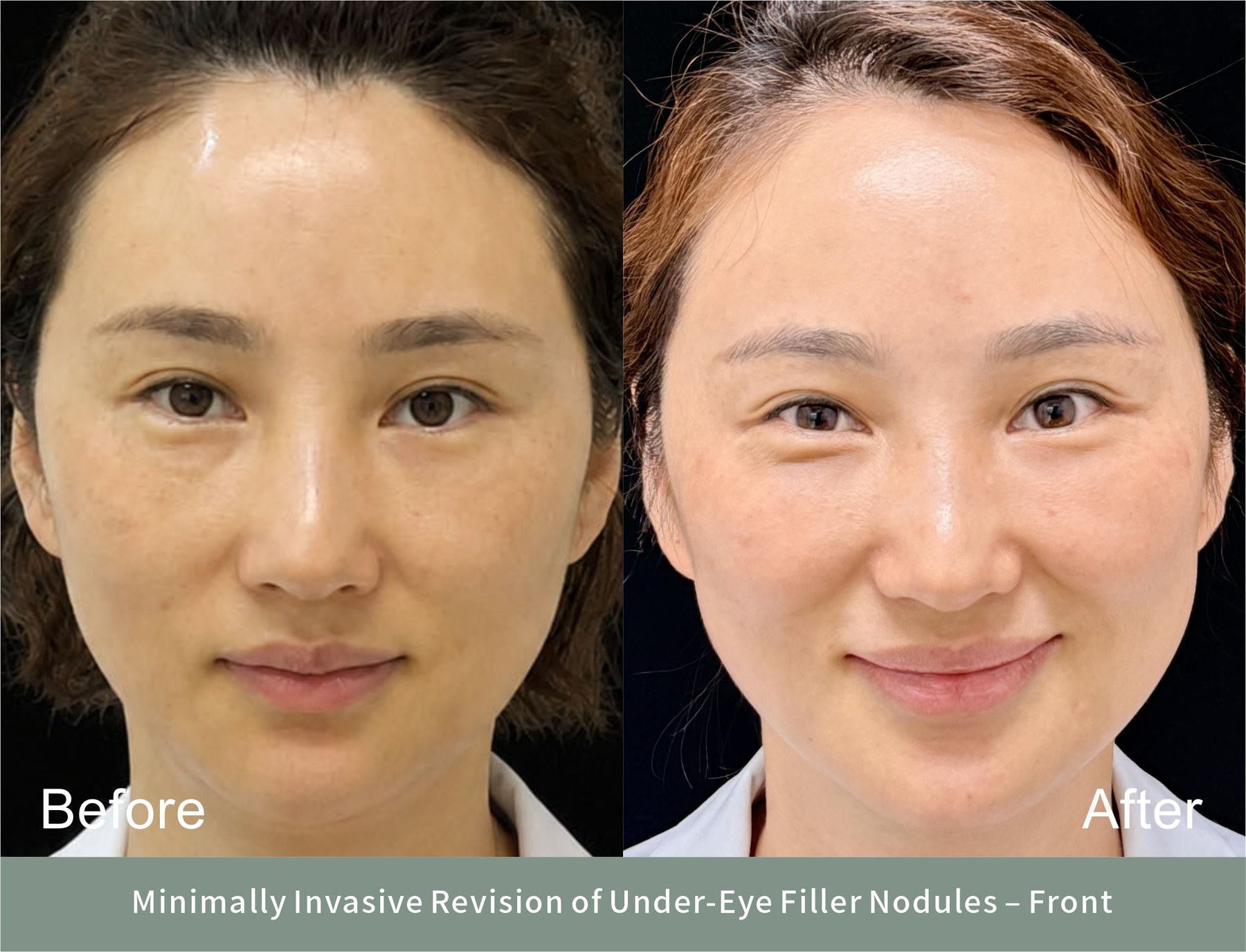
Other Repair Services

Real medicine means standing by patients when problems arise.
We hope Liusmed can be your "rescue station."
Featured Poster


Don't Let Failed Fillers Define You
Stop searching alone, give yourself a chance to start fresh
Perhaps we are the ones who can help you
Book Filler Revision Consultation