
HA Filler
Tear trough · mid-cheek · contour | natural not stiff × visible safety × revisablePhysician-injected · cannula/layering/ultrasound in danger zones · hyaluronidase on standby · dose precisely planned to your face (local/topical anesthesia substantially eases pain; effect varies by individual)
Natural Not Stiff × Visible Safety × Revisable
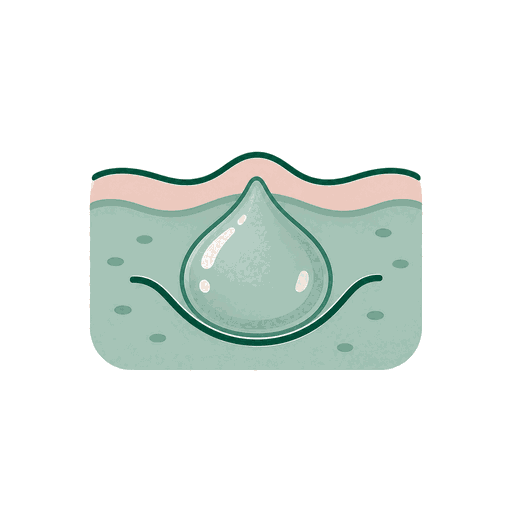
Natural, Not Stiff: Dose × Plane × Dynamics
"Overdone, stiff, sausage-looking" usually comes from overfilling or too-shallow placement. The physician plans dose and plane by site (tear trough, mid-cheek, nasolabial) and your dynamic expressions, aiming for natural even in motion — not just filled.
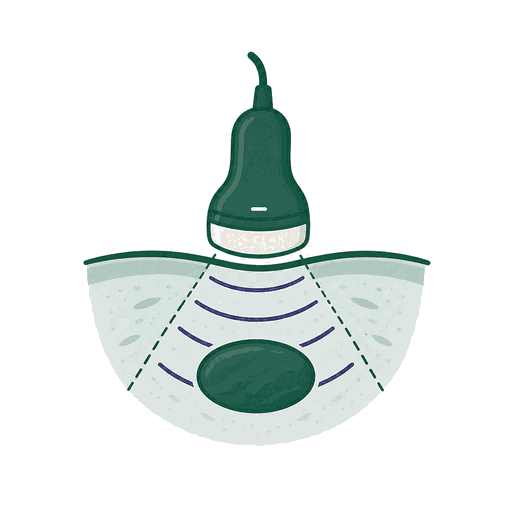
Visible Safety: Cannula / Layering / Ultrasound + Hyaluronidase Standby
Vascular occlusion is HA's most serious complication. In danger zones we favor cannula and layered slow injection, and may use ultrasound to map vessels; hyaluronidase is kept on-site to seize the emergency golden window. Safety is not a slogan — it is steps you can see.
Precise Dose, Conservative Over Overfilled
Pillow face and that over-done look usually come from too much, too shallow. I would rather give a little less and add after seeing the result than chase "all at once" and leave you puffy. Dose and plane are judged to your face and expression — natural matters more than volume. And if you are unhappy, we can extract it precisely.
Every week Liusmed removes and repairs HA that others got wrong — puffiness, nodules, overfilling, even vascular occlusion emergencies. Precisely because we have seen "how it goes wrong," we know better "how not to do it that way." HA in our hands rests on the confidence of being able to rescue — natural non-stiff dosing and planes, visible safety steps, and precise, conservative dosing, none optional.
If You Have These Concerns
How HA Works — and How Risks Are Prevented
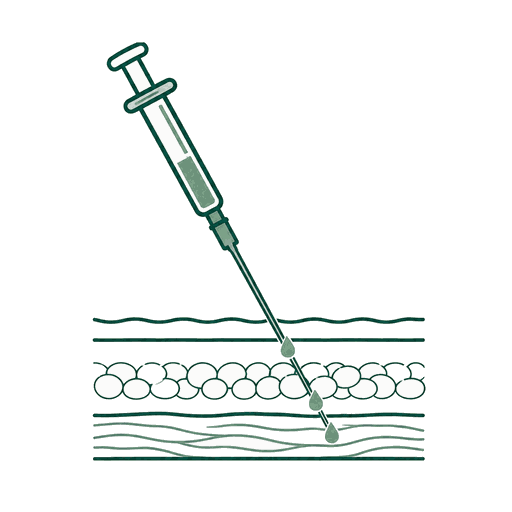
Plane & Site: Tear Trough, Mid-Cheek, Nasolabial Dynamics
Different sites need different planes and support logic: the thin-skinned tear trough easily shows bluish tint and puffiness, favoring deep small volumes; the mid-cheek needs supra-periosteal support; the nasolabial is a dynamic zone where overfilling looks unnatural when smiling. Get the plane right first, then talk about natural.
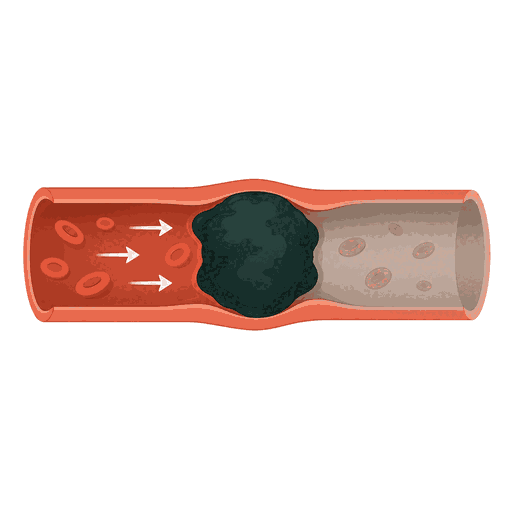
Vascular Occlusion: Mechanism & Emergency Timing
HA entering or compressing a vessel can cause skin ischemia and necrosis; in rare cases involving the ophthalmic artery, even blindness — a serious complication we must honestly disclose. Hyaluronidase dissolves HA to relieve the blockage, and the early golden window is decisive, so on-site standby is indispensable.

Tyndall & Nodules: Why They Happen
Too-shallow injection scatters light through the skin and gives a bluish tint (Tyndall effect), common around the eyes; overfilling or uneven distribution can form palpable nodules. Both stem largely from plane and dose judgment, greatly reduced by correct depth, slow injection and appropriate volume, and corrected with hyaluronidase when needed.
Good Candidate
- ‧Hollowing / volume loss — tear trough, mid-cheek, temples
- ‧Want contour support / nasolabial improvement without surgery
- ‧Want a natural, reversible result with dose tuned to your case
Needs Evaluation / May Fit Other Options
- ‧Already puffy / has nodules — usually needs removal first (see revision specialty)
- ‧Highly dynamic-expression zones — dose/plane assessed carefully to avoid motion artifact
- ‧Local infection, pregnancy, bleeding tendency or autoimmune disease require prior disclosure/evaluation
Treatment Process
Consult → gentle relief → dose planning → physician injection → follow-up

Consultation
Hollow sites, expression dynamics, skin thickness, prior injections

Gentle Relief Plan
Local/topical anesthesia, no general anesthesia, substantially eases discomfort

Dose & Plane Plan
Dose and plane planned by site and expression
Physician Injects
Cannula/layered slow injection in danger zones, ultrasound-assisted, hyaluronidase on standby

Follow-Up
Puffiness/nodule/occlusion concerns handled by revision specialty
Why Liusmed Treats "Natural" and "Rescuable" as the Baseline for HA Filler
The most common HA complaints online are "overdone, stiff, puffy" and "ruined with no one to fix it." Neither is luck — both are process: dose, plane and dynamics decide naturalness; hyaluronidase standby and a revision specialty decide whether a bad result can be reversed.
Literature Support
- ·Hyaluronic acid is a substance native to human tissue; injected, it restores volume, supports contour and binds water. It can be dissolved by hyaluronidase, giving a "reversible, adjustable" advantage; it is also gradually metabolized by the body and is not permanent.
- ·Vascular occlusion is the most emphasized serious complication in filler literature: HA entering or compressing a vessel can cause skin ischemia/necrosis, with rare ophthalmic-artery cases risking blindness. Literature consistently stresses cannula, slow injection, aspiration, danger-zone anatomy awareness, and immediate hyaluronidase availability.
- ·The Tyndall effect (bluish tint from too-shallow injection) and palpable nodules (overfilling/uneven distribution) are common avoidable adverse outcomes; literature notes both stem largely from plane and dose judgment, reducible by correct depth, slow injection and appropriate volume, and correctable with hyaluronidase.
Dr. Liu — Clinical Observations
- ·We do not chase "just fill it" — natural is the goal. For the same site, "able to inject" and "looks natural" are two different things; we would rather inject less and tune in stages than trade a one-shot fill for stiffness and puffiness.
- ·In danger zones (nose, glabella, tear trough, nasolabial) we are especially careful: favoring cannula, layered slow injection, possible ultrasound vessel-mapping, and keeping hyaluronidase within arm's reach. These are not add-ons but the baseline preparation for handling serious complications.
- ·If you were already puffed up or got nodules elsewhere, our revision specialty can step in to assess dissolving or removal — which is also why we are confident injecting HA: we have answers even for "after it goes wrong."
Natural not stiff, visible safety, precise conservative dosing, and rescuable if it goes wrong — these four are our prerequisites for "HA worth injecting."
FAQ
Does HA injection hurt? Can I avoid general anesthesia?
How is "puffiness," stiffness, or a sausage look avoided?
How is vascular occlusion prevented, and what if it happens?
Will filler keep building up and become irreversible?
How long does HA last? Is it permanent?
I got puffy / lumpy elsewhere — can it be rescued?

Dr. Ta-Ju Liu
Director, Liusmed Clinic · Over 15 years in minimally-invasive treatment
- Former attending dermatologist, Chang Gung Medical Center & Cosmetic Center
- Board-certified dermatologist · minimally-invasive surgery focus
- Advanced ultrasound-guided procedures · filler complication repair · complete apocrine gland clearance
"You can only treat what you can see" is the core belief running through every procedure I do. The subcutaneous world is intricate; what used to depend on experience and palpation now has a more reliable lens — advanced ultrasound. Seeing vessels, nerves, capsules, and glands first, then deciding where and how deep to cut — that is the standard every patient deserves.
Afraid of Stiffness, Puffiness, or Occlusion? Let the Physician See Your Face First, Then Decide
HA filler — natural not stiff, visible safety, precise conservative dosing, rescuable. HA is gradually metabolized by the body and is not permanent; actual dose and fees depend on your case, explained via LINE or in person.
Afraid of a stiff, puffy, "filler face" — or vascular blockage? Natural, not stiff × visible safety × revisable if it goes wrong
Physician assesses plane and dose · cannula / layering / ultrasound assistance in danger zones · hyaluronidase on standby · dose planned precisely and conservatively to your face · substantially reduces discomfort, so fear of pain need not make you give up the change you want (results vary by individual)
Your HA Filler at Liusmed Includes
Natural, not stiff: dose, plane, and dynamic-expression planning
Overfilling or too-shallow placement often causes puffiness, stiffness, and an "overdone" look; the physician plans dose and injection plane by site and your dynamic expressions
Visible safety: cannula / layering / ultrasound assistance + hyaluronidase on standby
In danger zones we favor cannula, layered slow injection, and may use ultrasound to identify vessels; hyaluronidase is kept on-site to respond to vascular occlusion emergencies
Precise dose · conservative over overfilled
Dose and plane judged to your face and expression — we would rather inject less and tune in stages than chase a one-shot fill into puffiness; and if you are unhappy, it can be extracted precisely
Revisable if it goes wrong: puffiness / nodules / occlusion handled by our revision specialty
Every week we remove HA that others overfilled or "puffed up"; precisely because we know how to rescue it, we know better how not to reach that point
※ Click any chip to view full scope and exclusion terms
Want to know which path fits your situation? Either way works — pick whichever feels easier.