
Energy-Device Complication Repair
Something went wrong after laser, RF, HIFU or miraDryPIH, redness, thermal damage, heat-sensitized skin — stabilize first, then repair
Energy devices are good tools, but when parameters, intervals, or skin assessment are off, they can leave post-inflammatory hyperpigmentation (PIH), lingering redness, thinned and sensitized skin, even depressions from thermal injury. Many people are told to "just do another pass over it" or "whiten it and wait," and things only get worse. Dr. Ta-Ju Liu at Liusmed Clinic works the other way — cool and stabilize the barrier first, separate reversible pigment from time-dependent thermal damage, then treat in stages instead of rushing into the next shot.
How Liusmed Approaches Energy-Device Sequelae

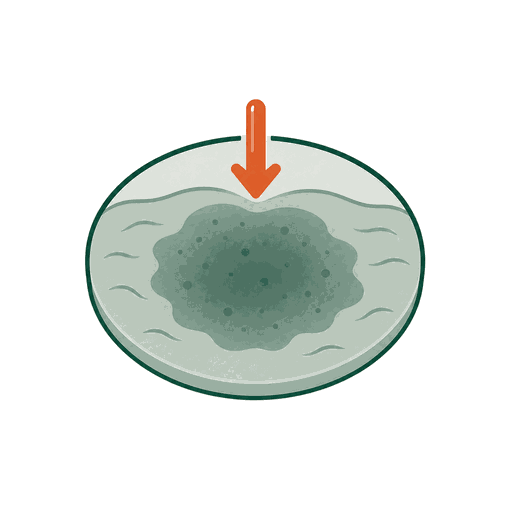
Stabilize First
For over-treated sensitized skin, cool and rebuild the barrier and settle redness before improving.
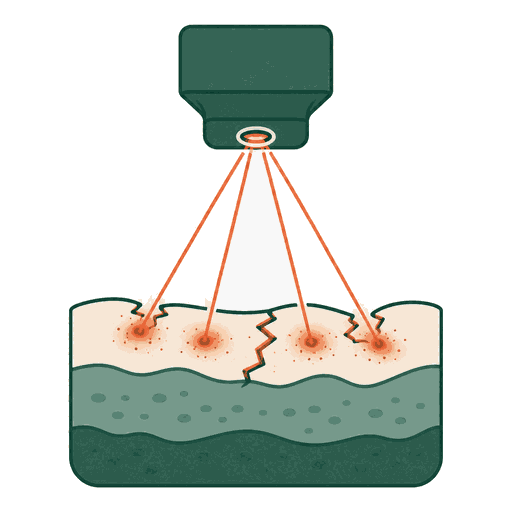
Reversible vs. Deep
Separate reversible PIH from time-dependent thermal damage to set the right sequence.
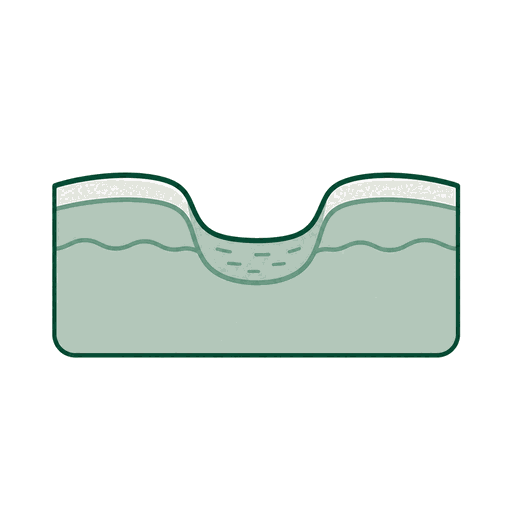
No Forcing With Stronger Lasers
Gentle, staged management of pigment and redness to lower rebound risk.
Are You Experiencing These?
Problems after energy treatment usually aren’t solved by "one more pass." Recognizing the problem first tells you what to do next.

Common Concerns After Energy Devices

Why the Usual Responses Backfire
Done before the skin stabilizes, these often deepen PIH, redness and sensitivity.
Another Pass Over It
Adding energy while skin is still inflamed and the barrier hasn’t recovered often deepens PIH and sensitivity.
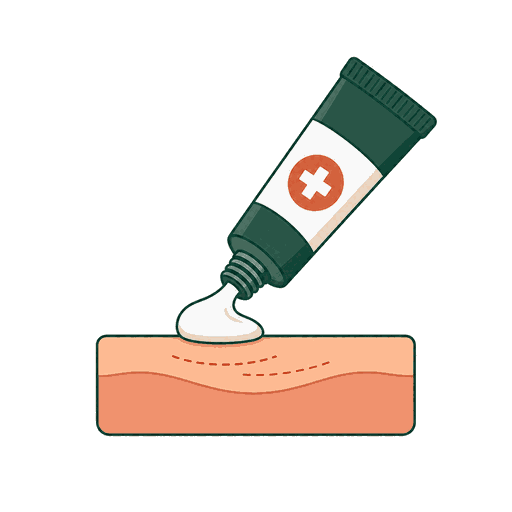
Just Whiten and Wait
Topical whitening does little for deep thermal injury or microcirculation issues, and misses the window to stabilize the barrier.
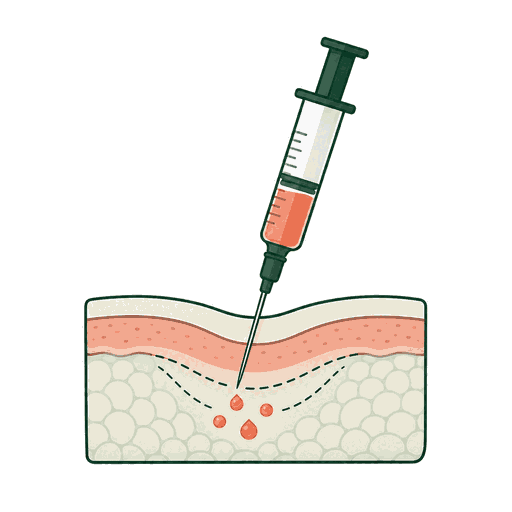
Long-Term Steroids
May briefly calm redness, but long-term use thins and weakens the skin further.

Leave It Alone
Some PIH fades over time, but a sensitized barrier and thermal depressions usually don’t resolve on their own.
The Liusmed Repair Approach
Work the other way — stabilize first, map the layers, then repair in stages instead of rushing the next shot.

Map the Injury Depth First
Review which device, parameters and intervals were used; assess whether it’s superficial pigment, vascular redness, or deep thermal damage.
Stabilize the Barrier
For over-treated sensitized skin, cool it down, rebuild the barrier, settle redness and stinging, and pause anything that adds insult.
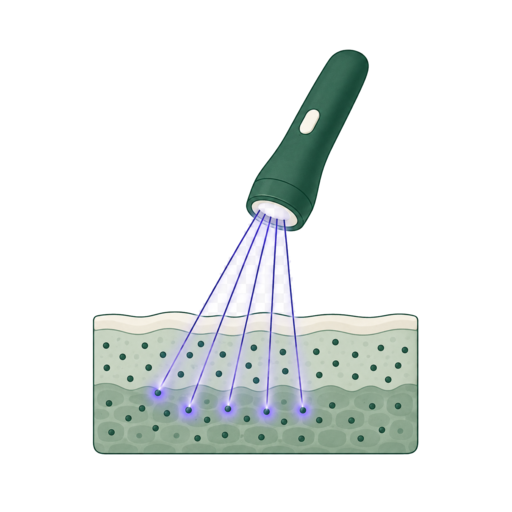
Fade PIH in Stages
Instead of forcing pigment down with stronger lasers, use gentle, staged management to lower the chance of rebound PIH.
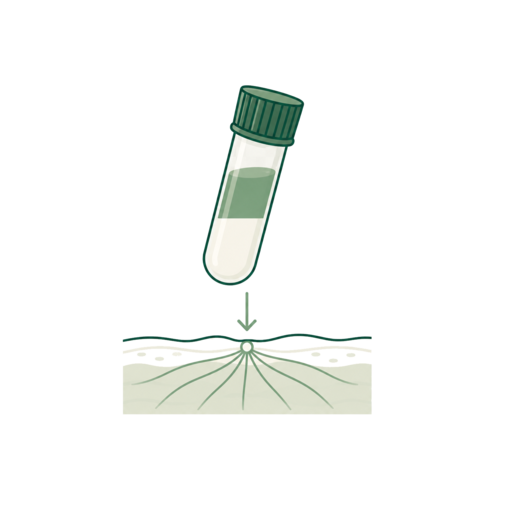
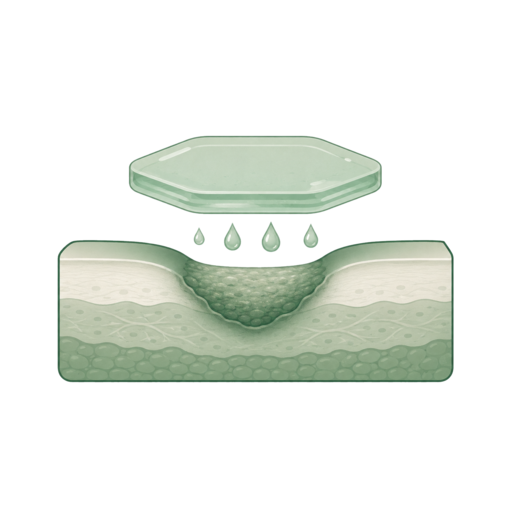
Rebuild Depressions & Tissue
For depressions or fat loss from thermal injury, once the barrier is stable we assess fat grafting or regenerative options.
Repair Process
In-Depth Assessment
Clarify treatment history, device and parameters; determine injury depth and current skin status.
Stabilization
Cool, rebuild the barrier, settle redness and sensitivity; pause aggravating treatments.
Staged Repair
Address pigment, redness and depressions each with a suitable method, adjusting to response.
Follow-up & Rebuild
Follow up once stable; reassess reconstruction for residual depressions or tissue issues.
Frequently Asked Questions
Does PIH after laser require more laser to fix?
Not necessarily. Much PIH is post-inflammatory pigmentation, and firing a stronger laser while skin is still inflamed often worsens it. We usually stabilize the skin first, then fade it gently in stages to reduce the chance of rebound. Whether any device is needed is assessed case by case.
My face looks hollow/thinner after RF or HIFU — can it be restored?
Often yes. Excess energy or wrong depth can cause localized fat loss or depressions. Once the barrier is stable, we assess whether fat grafting or regenerative methods are suitable to rebuild. How much can improve varies by individual and is honestly assessed in person.
My skin gets thinner and more sensitive with each session — what now?
This is usually barrier damage from over-treatment. The first step isn’t another procedure — it’s to pause aggravating treatments, cool the skin, rebuild the barrier, and settle the redness. Only once it stops worsening do we discuss further improvement.
I still have filler — does that affect repair after energy treatment?
It’s part of the assessment. Energy treatments over areas with filler can interact. We review the filler type and location, determine whether the current problem is energy-related, filler-related, or both, and then decide the sequence.
Still have odor/sweat after miraDry or sweat laser — can that be handled?
Recurrent odor/sweat repair is one of our focuses. When energy-based sweat treatment leaves residual glands and it recurs, you can return to our bromhidrosis/hyperhidrosis surgical assessment, or start with the online tools on our sister site clear-odor.
How long does repair take and how are costs calculated?
It varies with injury depth and skin condition. Mild PIH and redness usually stabilize faster; deep thermal damage and depressions need longer staged repair. Actual timeline and costs are shared individually after assessment via LINE or an in-person consultation.
Laser · RF · HIFU · post-miraDry sequelae · PIH repair
When energy devices go wrong — integrated repair for PIH, redness, thermal damage and heat-sensitized skin
Calm and stabilize first + barrier rebuild + staged management of PIH and redness — no rushing into the next shot
Your Energy-Device Repair Plan Includes
Map the injury depth — superficial pigment vs. deep thermal damage
Separate reversible PIH from tissue-level thermal injury before deciding the sequence
Barrier rebuild + redness stabilization to stop the downward spiral
Sensitized, flushed, stinging over-treated skin — stabilize before improving
Staged fading of PIH — without forcing it down with stronger lasers
Assessment of energy treatments performed over existing filler
LIUSMED integrated post-op repair system included
Included and aftercare
- Photo Upload + Online Wound Care Advice
- 14-Day / 1-Mo / 3-Mo Follow-Up
- Post-Op Light Therapy Included
- Post-Op 3-Modality Recovery System Included
Select any item to see its full scope and exclusions
Not sure which approach fits you?
Send a few photos first, or book a consultation directly. How booking works
Not sure what is going on? Write it down and ask.
Describe what was injected, when, and what you are seeing now. Dr. Ta-Ju Liu replies in the thread with an educational explanation of what it might be, what needs to be told apart, and which signs mean you should be seen soon. Posting can be anonymous, and other patients with the same problem can read the answer too.
Replies are general health education, not a diagnosis, and do not replace an in-person examination.
You're not alone in this
Recovering after a procedure takes more than treatment — it helps to have reliable information and people who have been through the same thing. Whether it is filler, fat grafting, scars, energy devices, thread lifts, surgery, or a problem that came back after treatment, you can start in two places: Dr. Ta-Ju Liu’s health-education posts, and the patient Q&A forum where you can ask anonymously.

Dr. Liu’s health-education posts
fillerrevision.com
Articles and real case notes written up by Dr. Ta-Ju Liu: how common post-procedure problems are told apart, what repair usually involves, and what to watch for while you recover.

Patient Q&A Forum
Write it down — Dr. Liu replies in the thread
Describe your situation anonymously. Dr. Liu replies as health education — what it might be, what needs to be told apart, and which signs mean you should be seen soon — and you can read how other patients’ recoveries went.