
Compensatory SweatingTreatment Guide
Non-invasive Sweat Gland ThermolysisLocal Treatment for Post-ETS Compensatory Sweating
Did you treat sweaty palms only to end up drenched all over? Sweat soaks through your clothes every day, you keep changing, avoid people, and sleep badly. We have treated post-ETS compensatory sweating with sweat-gland thermolysis for over 10 years. Compensatory sweating is hard to cure, but the worst areas can be treated locally; it is no longer a problem without options.
Why Choose Liusmed for Hyperhidrosis

Type & Severity Assessment
We distinguish primary from secondary and assess severity before planning treatment.

Stepwise Treatment
From conservative measures to injections, options follow a stepwise plan by severity and site.

Honest Expectations
We honestly explain each option effect and how long it lasts, without overstating.
Is there a hyperhidrosis treatment without surgery — and without compensatory sweating?
Sweaty palms and feet can be treated with Botox injections, which do not act on the sympathetic nerves and do not cause compensatory sweating the way ETS does. For areas where compensatory sweating has developed after ETS, we use sweat-gland thermolysis: heat acts on the sweat glands, not the nerves, through entry points the size of an anesthetic needle. In our clinic records, sweating in compensatory areas drops by about 70% after one session, and no new compensatory sweating has been reported in our follow-up; results vary.
Table of Contents
What is Compensatory Sweating?
The most common side effect after ETS
Compensatory hyperhidrosis is the most common side effect after endoscopic thoracic sympathectomy (ETS) for sweaty palms.
Sweating is controlled by the sympathetic nervous system to regulate body temperature. When ETS cuts or clips the sympathetic chain in the chest and blocks signals to the hand sweat glands, the body sheds heat by sweating heavily elsewhere instead, often on the chest, back, abdomen, buttocks, and thighs.
Reported rates of compensatory sweating vary widely between studies, from a minority to most patients, depending on the surgical technique, the length of follow-up, and how compensatory sweating is defined. People with severe cases change clothes several times a day and may find it worse than the palm sweating they had before.
The changes ETS makes are mostly hard to reverse (cutting is generally irreversible, and how much function returns after a clip is removed varies), so compensatory sweating itself is hard to reverse. But the sweat glands in the worst areas can be treated directly, and we have done this with thermolysis for over 10 years.
Impact of Compensatory Sweating
A Nightmare Worse Than Palm Sweating

Constantly Soaked
Heavy sweating on chest, back, abdomen - clothes drenched like walking in rain

Endless Changing
Need 3-4+ clothing changes daily, must carry spare clothes everywhere

Sweating Year-Round
Excessive sweating even in winter, temperature regulation completely disrupted

Social Withdrawal
Fear of visible sweat stains leads to avoiding social situations, affecting work

Night Troubles
Severe night sweats, frequently soaking sheets, terrible sleep quality

Emotional Trauma
"I just wanted to fix palm sweating, why did I get a bigger nightmare?" Deep regret and despair
If you're experiencing this, know that compensatory sweating is no longer a problem without options.
Non-invasive Selective Sweat Gland Thermolysis
Non-invasive Thermolysis Developed by Dr. Liu Over Years of Practice
The technique delivers heat to the depth where the sweat glands sit, so the gland tissue undergoes thermal change, shrinks, and stops working. Heat is delivered through a very fine needle, leaving only entry points the size of an anesthetic needle.

Direct Gland Destruction
Heat acts directly on sweat gland cells, shrinking them and reducing sweat at the source

Leaves the Sympathetic Chain Alone
Unlike ETS, we treat only the sweat glands, not the sympathetic chain that ETS cuts or clips

No Open Wounds
Only entry points the size of an anesthetic needle and no incision, with short recovery; infection risk is low but not zero

Unlikely to Cause New Compensation
Because the sympathetic chain is not treated, no new compensatory sweating has been reported in our follow-up
Technical Advantages
For how thermolysis and ETS differ in mechanism, see: Sweat-gland thermolysis vs. nerve blocking (clear-odor)
Treatment Comparison
How each option works and its limits
| Treatment | How It Works | Duration | New Compensation Risk | Recovery |
|---|---|---|---|---|
| Sweat Gland Thermolysis | Heat treats the sweat glands | Longer (acts on the glands; some need a second session) | None reported (clinic follow-up) | Same-day activity; swelling 2-4 weeks, firmness resolves in 1-3 months |
| Botox Injection | Temporarily blocks nerve signals to sweat glands | 3-6 months | None (does not act on the chain) | Same day |
| Oral Anticholinergics | Reduces sweating body-wide; may cause dry mouth | While taking | None (does not act on the chain) | None |
| ETS Surgery(Not recommended) | Cuts or clips the sympathetic chain | Long-lasting | High | A few days |
* ETS itself causes compensatory sweating and is not recommended for treating it
Treatment Process
Professional, Comfortable, Efficient Experience

Professional Assessment
Detailed evaluation of sweating severity and distribution using starch-iodine test

Personalized Plan
Customized treatment plan based on evaluation, explaining expected results

Gentle Pain-Relief Anesthesia
Gentle pain-relief technique - only a brief prick during injection; pain is substantially reduced and most patients feel only warmth during treatment

Precise Thermolysis
A very fine needle delivers heat to the sweat glands so they shrink and stop working; most people mainly feel warmth

Cooling Care
Immediate cooling post-treatment to reduce redness and improve comfort

Follow-up
3-month follow-up to assess results, enhancement treatment if needed
What we typically see
A de-identified typical pattern, not a specific patient
Most people who come to us about compensatory sweating had ETS for sweaty palms years ago, then started sweating heavily on the chest, back, or abdomen and now carry spare clothes. Many have tried Botox or oral medication, with effects that lasted only a while. At the consultation we first use a starch-iodine test to find the heaviest-sweating areas, decide which area to treat first, and reassess after 3 months whether a touch-up is needed.
Recovery Information
Understanding the Recovery Process
Most people resume daily activities the same day; swelling in the treated area settles in about 2-4 weeks, and firm areas usually soften within 1-3 months.
Treatment Day
- •Mild redness/swelling in treated area
- •Most people can continue normal activities without time off
1-2 Weeks
- •Swelling gradually subsides
- •Mild bruising possible, normal
- •Avoid strenuous exercise
2-4 Weeks
- •Swelling fully resolved
- •May feel slight firmness
- •Results becoming visible
1-3 Months
- •Firmness naturally resolves
- •Stable results
- •Follow-up evaluation recommended
Important Notes
- •Avoid hot environments (sauna, hot bath) for 24 hours post-treatment
- •Avoid strenuous exercise for 1-2 weeks to reduce sweat stimulation
- •Mild peeling in treatment area is normal metabolic process
- •Return promptly if redness, warmth, or pain keeps increasing, or if you develop a fever or discharge; contact the clinic with any other concerns
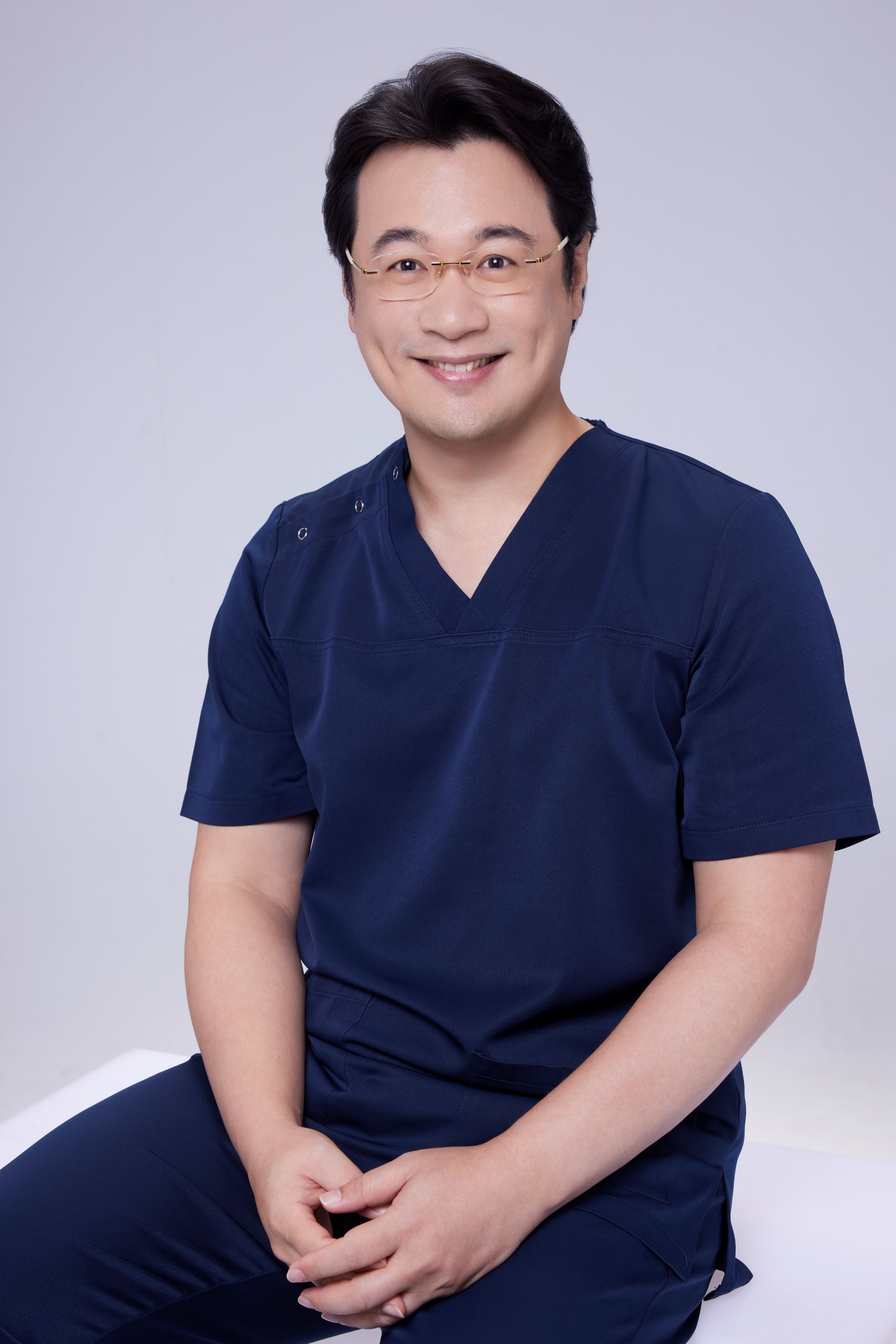
About the Doctor
Dr. Ta-Ju Liu
Director, Liusmed Clinic
"Compensatory sweating itself is hard to reverse, but for more than a decade we have treated the affected areas with thermolysis, and it is no longer a problem without options."
Frequently Asked Questions
Q1Can compensatory sweating really improve? I'm afraid of being disappointed again.
Yes, it can. In our clinic records, sweating in post-ETS compensatory areas drops by about 70% after one session. Thermolysis acts directly on the sweat glands and does not work through the sympathetic nerves (results vary).
Q2Will the sweat shift somewhere else after treatment (new compensation)?
No new compensatory sweating has been reported in our follow-up. Thermolysis treats sweat glands in specific areas and leaves the sympathetic chain alone, so it works differently from ETS (results vary).
Q3How long do results last? Do I need ongoing treatment?
Because thermolysis acts on the glands themselves, it does not wear off the way Botox does, and results usually last longer. Areas outside the treated zone still sweat, and some people need a second session (duration varies).
Q4Is the treatment painful?
It is not completely pain-free, but local anesthesia and gentle pain relief make it much less painful; most people feel only warmth or slight pressure and complete the session without difficulty. It is not general anesthesia, so the doctor can talk with you throughout, and actual experience varies.
Q5Which body areas can be treated?
Large sweating areas, including the chest, back, abdomen, thighs, and buttocks. The doctor plans the treatment area based on a starch test.
Q6How many sessions are needed?
Usually 1-2. In our clinic records, sweating in compensatory areas drops by about 70% after one session; people who want to be drier can be reassessed for a second session after 3 months (results vary).
Q7How long should I wait after ETS before treating compensatory sweating?
There is no fixed waiting period. At the consultation we assess how widespread the compensatory sweating is and how much it affects your life, then decide whether and where to treat first. If it already disrupts work and sleep, you don't necessarily need to keep waiting.
Q8Can thermolysis treat sweaty palms?
Thermolysis on this page is mainly used for compensatory sweating areas such as the chest, back, abdomen, and thighs. For sweaty palms and feet we use Botox injections; see "Low-Pain Palm/Foot Sweat" below.
Q9Can ETS be reversed?
Cutting the chain is generally irreversible. With clipping, the clip can in theory be removed in another operation, but how much function returns varies and is not reliable, and it means another surgery. We do not perform nerve surgery; we treat the sweat glands in the areas where compensatory sweating has developed.
Q10Which specialist should I see for compensatory sweating?
Compensatory sweating is a form of hyperhidrosis and can be assessed by a dermatologist. Dr. Ta-Ju Liu is a board-certified dermatologist; at the consultation he uses a starch-iodine test to find the heaviest-sweating areas and then discusses treatment options.
Other Odor & Hyperhidrosis Treatments
Post-ETS Compensatory Sweating · Sweat Gland Thermolysis · Over 10 Years
Compensatory sweating is no longer a problem without options
Heat treats the sweat glands directly, not the sympathetic chain; clinic records show about 70% less sweat in compensatory areas after one session (results vary)
Your Compensatory Sweating Treatment Includes
Thermal energy directly destroys sweat gland cells
Glands shrink, reducing sweat at the source
Leaves the sympathetic chain alone
Works differently from ETS · no new compensatory sweating reported in clinic follow-up
No incision · entry points only the size of an anesthetic needle
Short recovery · low but not zero infection risk
About 70% less sweat in compensatory areas per session (clinic records) · over 10 years treating compensatory sweating
Included and aftercare
- Suture Removal Included
- Photo Upload + Online Wound Care Advice
- 14-Day / 1-Mo / 3-Mo Follow-Up
- Post-Op Light Therapy Included
- Post-Op 3-Modality Recovery System Included
Select any item to see its full scope and exclusions
Not sure which approach fits you?
Send a few photos first, or book a consultation directly. How booking works
Not sure where the odor is coming from?
Body odor often has more than one source and is hard to pin down yourself. The Odor Source Finder helps you locate it step by step. If it traces to an underarm, areola, perineal or pediatric odor — or excessive sweating — that surgery can improve, we can then assess the right approach for you.

Say Goodbye to Soaked Clothes
Compensatory sweating is no longer a problem without options. Book a consultation and a doctor will assess how widespread your sweating is and which approach suits you.
Book Compensatory Sweating Consultation