
Intralesional Eczema Injection
Delivering Medication Directly into ThickenedLesions That Topicals Cannot Reach
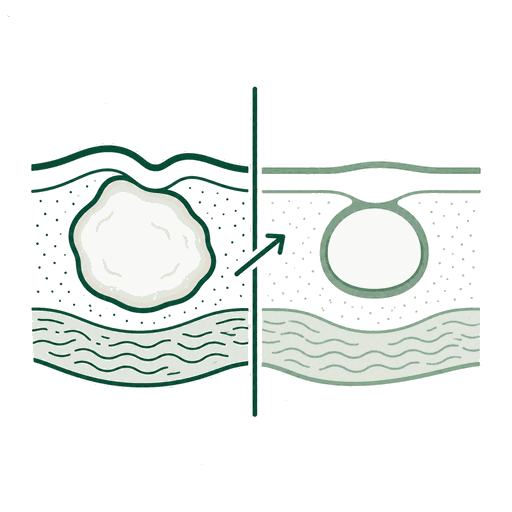
Topical creams and daily moisturizing are first-line for eczema. When a lesion has been thickened and lichenified by long-term scratching, topicals struggle to penetrate — for example in prurigo nodularis and lichen simplex chronicus (neurodermatitis). The physician then evaluates whether intralesional injection (low-concentration steroid delivered directly into the lesion) can improve itch and thickness. Liusmed Clinic first confirms whether topicals have been fully tried, then honestly offers this as an advanced option — not a first-line or routine eczema therapy.
Why Choose Liusmed for Eczema Injection Care

Physician-Assessed, Not First-Line
Injection is an advanced option; we first check whether topical care and lifestyle changes suffice.

Formula by Skin
A low-irritation plan tailored to the eczema type and severity.
Honest About Limits
We explain honestly what can and cannot be improved, avoiding overtreatment.
Table of Contents
The Truth: Why Topicals Have Limited Effect on Thickened Lesions
Topical creams, daily moisturizing, and irritant avoidance are first-line for eczema. But when a lesion has been thickened and lichenified by long-term scratching, topicals struggle to penetrate deep enough into the dermis, so their effect is often reduced.
"Our goal is not to 'cure all eczema,' but — under physician evaluation, and only when needed — to deliver medication directly into refractory thickened localized lesions to ease itch and thickness. Injection is not a cure-all, and does not replace daily care and trigger control."
— Dr. Ta-Ju Liu
Three Goals of Injection
Itch Relief
Aims to break the "itch-scratch-thicken" cycle
Thickness Improvement
Eases the thickness of thickened, lichenified lesions
Parallel Trigger Control
Daily care and trigger control continue in parallel; injection is not a substitute
Indicated Lesions: Prurigo Nodularis vs Lichen Simplex Chronicus
Correct judgment is the prerequisite for using this advanced option safely

Prurigo Nodularis
Prurigo Nodularis
- Intensely itchy, firm nodules
- Thickened and localized by scratching
- Topicals struggle to reach the lesion
Treatment: For refractory thickened nodules unresponsive to topicals, intralesional injection is considered after physician evaluation.

Lichen Simplex Chronicus (Neurodermatitis)
Lichen Simplex Chronicus
- Lichenified thickened plaques
- An "itch-scratch-thicken" cycle
- Intralesional triamcinolone is on-label per prescribing information
Treatment: On-label per Kenalog-10 prescribing information. Low concentration, correct depth, decided by the physician.
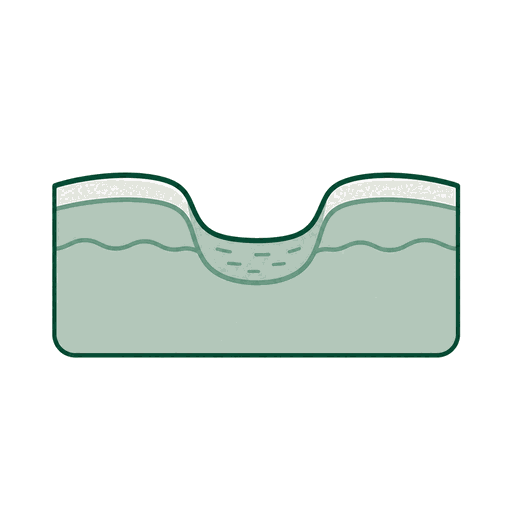
Widespread Acute Eczema
Widespread Acute Eczema
- Widespread, acute, not localized
- May include infected lesions
- Not a target for intralesional injection
Treatment: Not an indication for intralesional injection. Topical, systemic treatment, and trigger control take priority; the physician decides.
Important: intralesional injection targets only "refractory thickened localized lesions where topicals are ineffective," and is not a first-line or routine eczema therapy.
How Intralesional Injection Works & Where It Fits
Topicals are first-line; injection is an advanced option for thickened lesions unresponsive to topicals
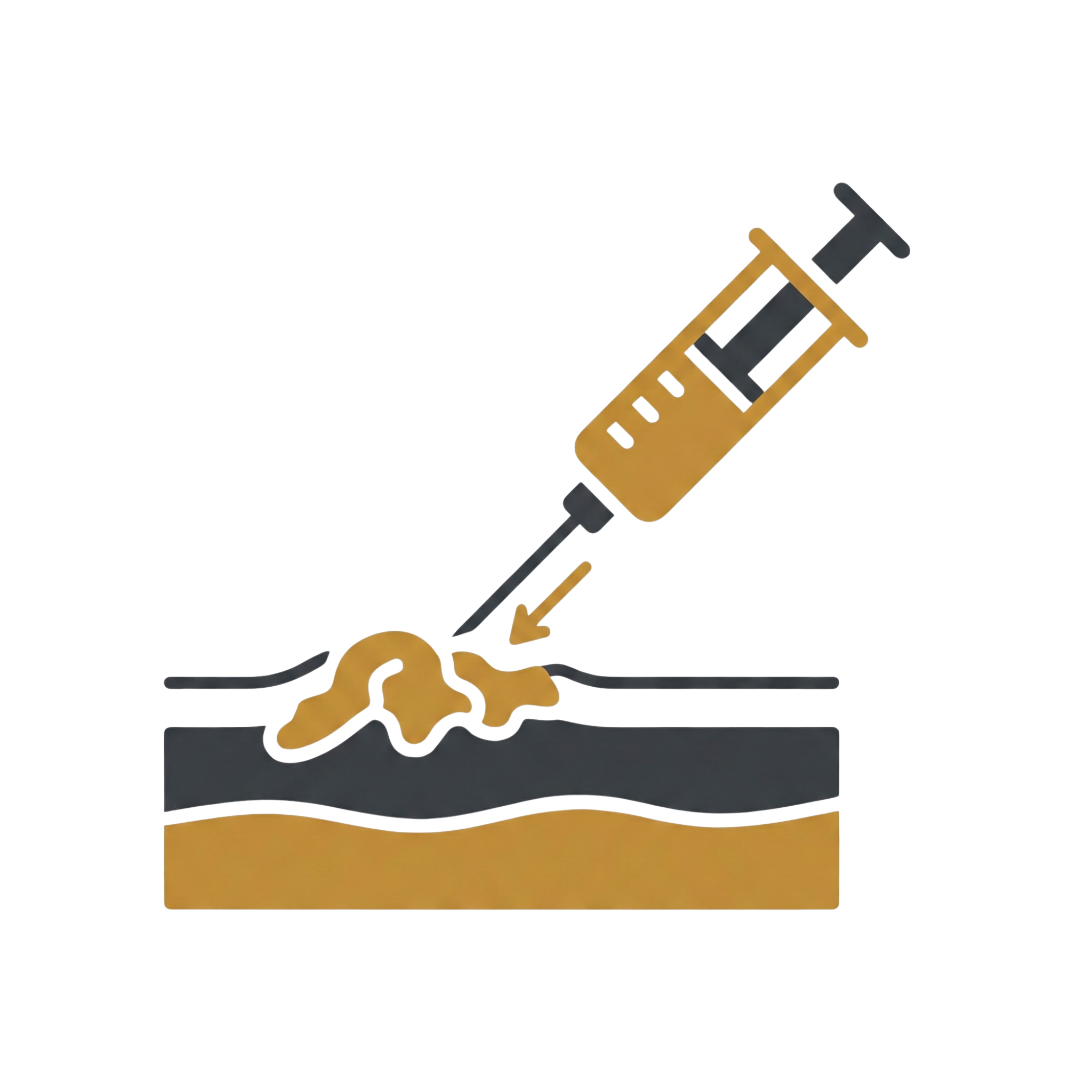
Low-Concentration Intralesional Steroid Injection
Low-concentration steroid (e.g. triamcinolone acetonide 2.5–5 mg/mL) is delivered directly into the lesion so that thickened lesions, which topicals cannot penetrate well, receive medication — aiming to improve itch and thickness.
- For: refractory, localized, thickened (lichenified) lesions unresponsive to topicals
- Depth: dermis / lesion center (too shallow is ineffective, too deep risks atrophy)
- Position: not first-line, but an option after physician evaluation
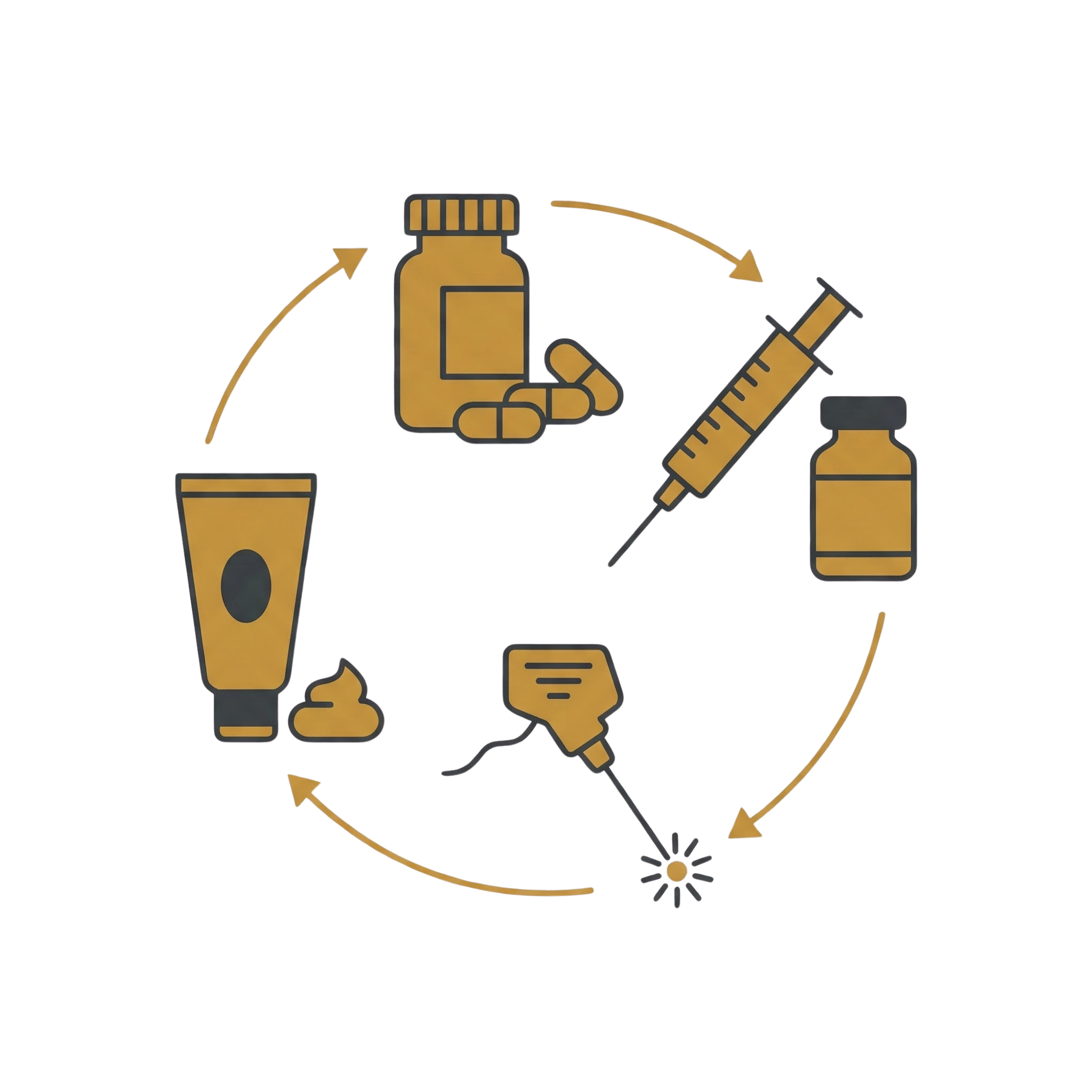
Topicals · Moisturizing · Trigger Control (First-Line)
Topical creams, moisturizing, and irritant avoidance are first-line for eczema. Even when injection is used, these continue in parallel.
- For: the foundation of all eczema care
- Role: prevent recurrence, stop lesions from thickening further
- Note: injection is symptomatic relief and does not replace these
Gentle Relief, Substantially Less Pain
Thickened eczema lesions are often on sensitive thin-skinned sites (lower leg, forearm, nape), where medication must be placed precisely into the dermis / lesion center (too shallow is ineffective, too deep risks atrophy). Small-area multi-point shallow injections can feel noticeably painful — and pain is the main reason treatment is "left incomplete, so the effect is reduced or treatment is abandoned midway." Our long-developed gentle relief workflow substantially reduces discomfort, with no general anesthesia — so you can communicate with the physician in real time, without general-anesthesia risk, and need not give up over fear of pain. Delivering the lesion to the correct depth and completing the full protocol is the prerequisite for improvement. The method is decided by physician evaluation (effect varies by individual).
Liusmed Eczema Intralesional Injection Evaluation Process
Confirm topicals were tried × lesion classification × gentle relief × follow-up

Lesion Evaluation & Triage
Confirm topical treatment has been fully tried; assess whether the lesion is refractory, localized, and thickened (lichenified); decide whether injection is appropriate

Concentration & Depth Planning
The physician selects low concentration and injection depth per lesion and discusses risks and benefits with you

Gentle Relief Plan
Substantially less pain, no general anesthesia

Follow-up & Trigger-Control Guidance
Assess response and plan sessions, while guiding daily skincare and trigger control; varies by individual
Evidence & References
Intralesional injection is a physician-evaluated symptomatic option; effect and suitability vary by individual. The following are reference sources; actual care is decided by the physician in person.
- Kenalog-10 (triamcinolone acetonide) FDA Prescribing Information — intralesional use for lichen simplex chronicus (neurodermatitis) is on-label per prescribing information.
- Firooz A, et al. Update on intralesional steroid: focus on dermatoses. (PMID 20128986)
- Fitzpatrick's Dermatology, 8th ed., Ch. 15.
About the Author

Dr. Ta-Ju Liu
Director, Liusmed Clinic
- Board-certified Dermatologist
- Over 15 years of clinical experience in plastic surgery and dermatologic procedures
- Handles intralesional injection for refractory thickened lesions
- First confirms whether topicals have been fully tried
- Committed to honest disclosure of expected effects and risks
"An advanced procedure is something the physician proposes only after first-line treatment has been fully tried and after weighing risks and benefits. Injection is not a cure-all and does not replace daily care and trigger control."
Frequently Asked Questions (FAQ)
Is intralesional eczema injection the first-line treatment for eczema?
No. Topical creams, daily moisturizing, and irritant avoidance are first-line for eczema. Intralesional injection targets only refractory, localized, thickened (lichenified) lesions where topical creams have limited effect because the lesion is too thick — such as prurigo nodularis and lichen simplex chronicus (neurodermatitis). Whether injection is appropriate is decided by the physician after personal evaluation; it is not a routine therapy and does not imply it can cure all eczema.
Why use injection for thickened eczema lesions instead of continuing creams?
When a lesion has been thickened and lichenified by long-term scratching, topical creams struggle to penetrate deep enough into the dermis, so their effect is often reduced. Intralesional injection delivers low-concentration steroid (e.g. triamcinolone acetonide 2.5–5 mg/mL) directly into the lesion, aiming to improve itch and lesion thickness and to break the "itch-scratch-thicken" cycle. Whether to use it is decided by the physician.
Is the injection painful? How does Liusmed manage pain?
Thickened eczema lesions are often on sensitive thin-skinned sites (lower leg, forearm, nape), where medication must be placed precisely into the dermis/lesion center (too shallow is ineffective, too deep risks atrophy), so the small-area multi-point shallow injections can feel noticeably painful. Our long-developed gentle relief workflow substantially reduces discomfort, with no general anesthesia — so you can communicate with the physician in real time, without general-anesthesia risk, and need not give up over fear of pain. The method is decided by physician evaluation.
What are the risks of intralesional eczema injection?
Possible risks include: atrophy (depression) of skin or subcutaneous fat at the injection site, telangiectasia, and pigment changes (atrophy risk rises above 5 mg/mL, and some changes may persist); the injection itself is painful and may cause transient redness and swelling. It is symptomatic relief, and recurrence remains possible if triggers are not controlled. Whether to inject and at what concentration is decided by the physician after weighing risks and benefits.
Can injection cure eczema? How many sessions are needed?
Injection is not a cure but a symptomatic-relief option for thickened, localized lesions. It does not replace daily care and trigger control; recurrence remains possible if triggers are not controlled. The number of sessions and intervals vary by individual and require course planning, and the effect also varies; this is decided by the physician based on lesion response. Cost and duration are explained individually during a LINE consultation or in-person visit.
Who is this injection suitable or unsuitable for?
More suitable: refractory, localized, clearly thickened (lichenified) lesions where topical treatment has been fully tried but remains limited — such as prurigo nodularis and lichen simplex chronicus. Unsuitable or requiring caution: large-area acute eczema, infected lesions, drug allergy, and similar situations. Injection is a physician-evaluated advanced option, not a routine or first-line eczema therapy, and is ultimately decided by the physician in person.
Other Skin Services
When topical creams cannot penetrate thickened lesions, the physician evaluates whether intralesional injection can deliver medication directly
Low-concentration intralesional steroid (e.g. triamcinolone acetonide 2.5–5 mg/mL) · breaks the "itch-scratch-thicken" cycle · a physician-evaluated advanced option, not a first-line or routine eczema therapy
Your Eczema Intralesional Injection Evaluation Includes
Triage: confirming whether topicals have been fully tried first
Topical creams are first-line for eczema; injection only targets refractory thickened localized lesions, by physician evaluation
Prurigo nodularis / lichen simplex chronicus indication assessment
Intralesional triamcinolone is on-label per Kenalog-10 prescribing information for lichen simplex chronicus (neurodermatitis)
Precise injection planning at low concentration and correct depth
Too shallow is ineffective, too deep risks atrophy; >5 mg/mL raises atrophy risk; requires course planning, effect and frequency vary by individual
Parallel guidance on trigger control and daily skincare
Injection is symptomatic relief; recurrence is possible if triggers are not controlled; it does not replace moisturizing, irritant avoidance, and daily care
※ Click any chip to view full scope and exclusion terms
Want to know which path fits your situation? Either way works — pick whichever feels easier.
Related Intralesional Injection Cases
View All Cases
Thickened Lesions Topicals Cannot Reach — Start with Evaluation
Book a consultation; we first confirm whether topicals have been fully tried, then the physician evaluates whether injection is appropriate.
Book Eczema Lesion Evaluation