
Large-Area Keloid Injection
Intralesional Steroid InjectionGentle Relief to Complete a Large Lesion in One Session
A clinic with sustained focus on scar and keloid treatment. Dr. Ta-Ju Liu personally evaluates each keloid lesion, with first-line intralesional steroid (triamcinolone) injection as the mainstay. Keloids are hard and densely fibrotic, so a large area or multiple lesions means many injection points in one session — we substantially reduce discomfort with gentle relief so the full protocol can be completed evenly. Keloids tend to recur and some respond poorly to steroids, so multiple injections and long-term follow-up are needed; outcomes vary by individual and are planned by physician evaluation of the lesion.
Why Choose Liusmed for Keloid Treatment
Keloid vs Scar Triage
We first distinguish keloid from hypertrophic scar and treat by type.
Steroid & Pressure Care
Steroid injections and pressure approaches help control overgrowth and ease symptoms.
Honest, Long-Term
Keloids recur easily; we explain honestly that this is a condition needing long-term control.
Table of Contents
The Truth: How Keloids Differ Decisively from Hypertrophic Scars
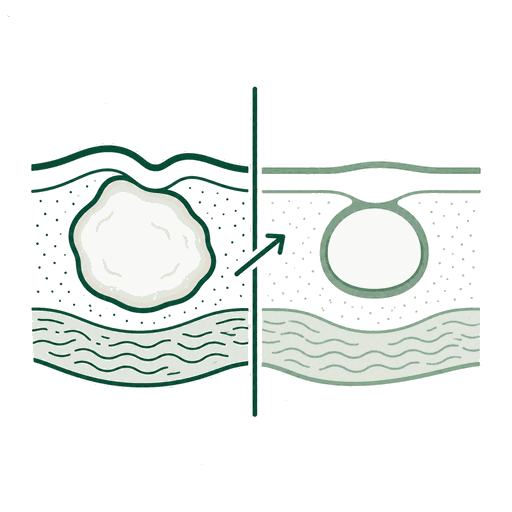
A keloid is not just a "more noticeable scar." The key differentiation: a hypertrophic scar stays within the original wound boundary, whereas a keloid grows beyond the original wound edge — extending outward like crab legs — keeps proliferating, rarely regresses, and tends to recur. This differentiation is the compliant and professionally correct key.
"Telling a keloid from a hypertrophic scar is the starting point of every treatment plan. Whether it crosses the original wound boundary — that one fact is enough to completely change how we fight it."
— Dr. Ta-Ju Liu
Three Treatment Goals
Symptom Relief
Improve itching, pain, redness and swelling
Flatten Height
Suppress lesion elevation toward a flatter surface
Guard Against Recurrence
Long-term follow-up to catch recurrence signs early
Keloid vs Hypertrophic Scar: The Boundary Decides
Correct differentiation is the first step. Whether it crosses the original wound boundary decides everything.
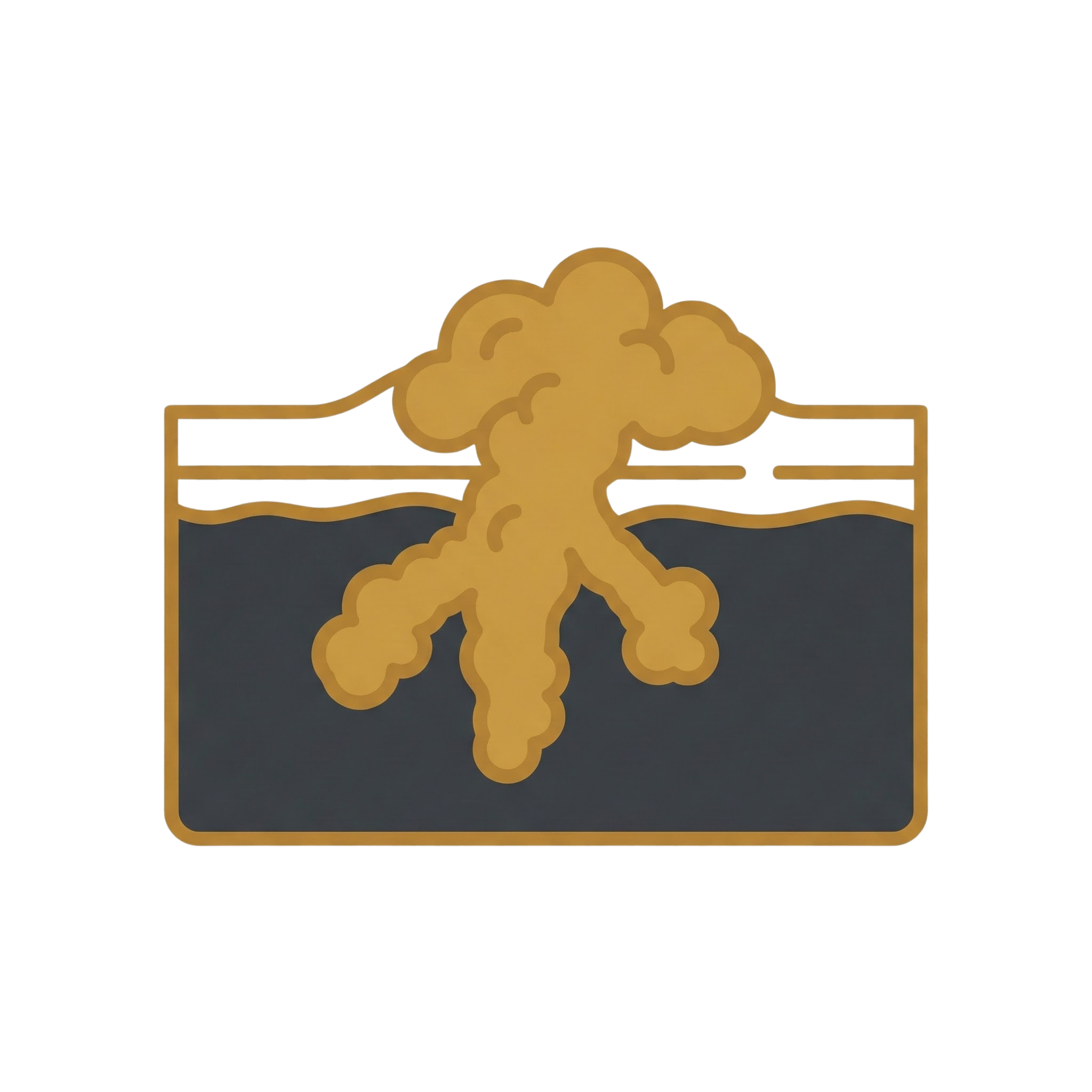
Keloid
Keloid
- Grows outward beyond the original wound boundary
- Continues to proliferate without regressing
- Hard texture, dense fibrosis
- Noticeable itching and pain, prone to recurrence
- Common in certain body types and sites (chest, shoulders, ears)
Treatment: Intralesional steroid injection is first-line. Prone to recurrence; multiple sessions and long-term follow-up needed.

Hypertrophic Scar
Hypertrophic Scar
- Growth limited to the original wound area
- Raised and red but does not cross the boundary
- Often fades naturally over time
- Better prognosis than keloid
Treatment: Most can be controlled with intralesional injection. For scar revision surgery, see the Scar Repair page.
Key difference: a hypertrophic scar is "self-limiting" within the original wound, while a keloid crosses the boundary and "expands outward." This differentiation is the compliant and professionally correct key.
Core Treatment: Intralesional Steroid Injection
The first-line approach for keloids, plus treatment planning and long-term follow-up to manage recurrence
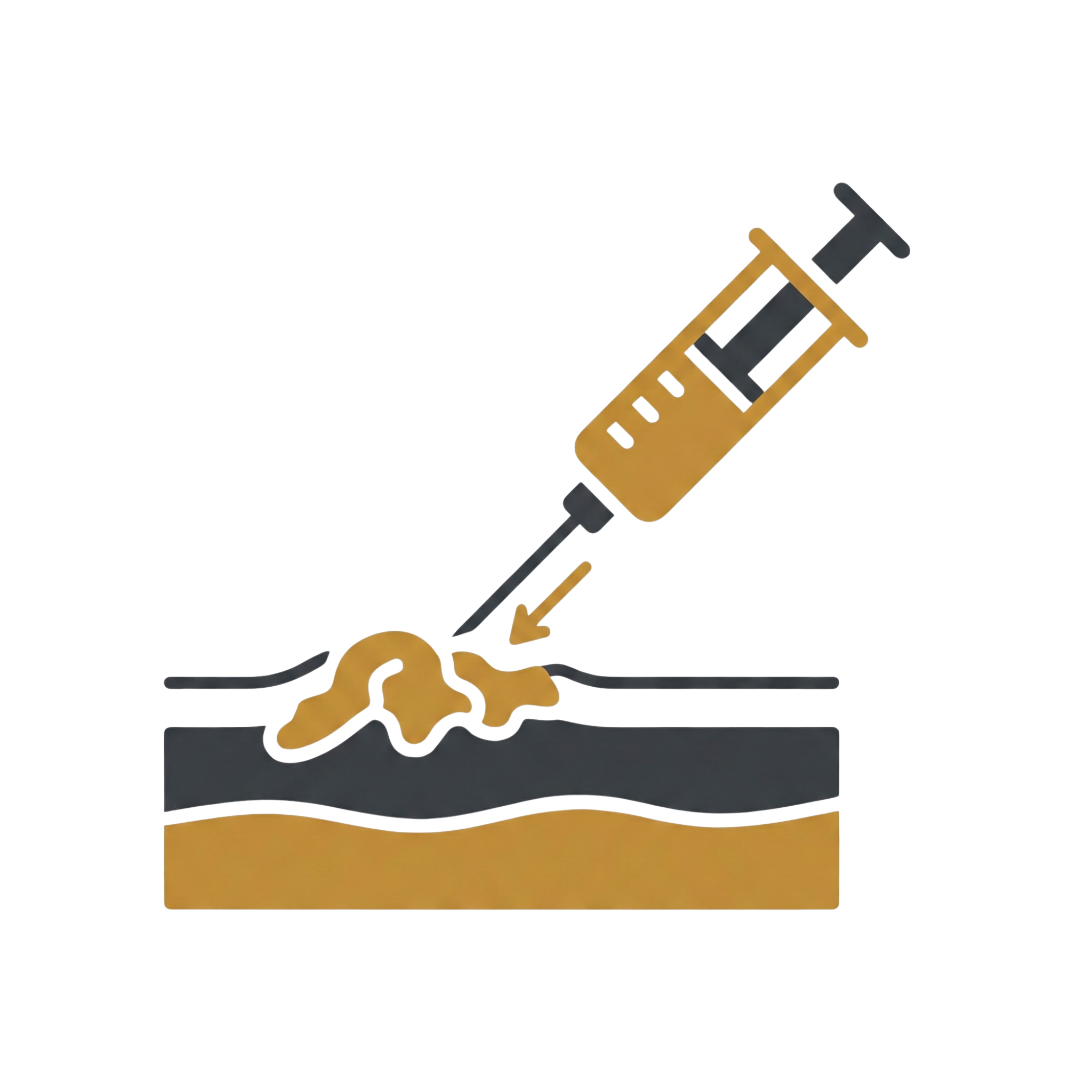
Intralesional Steroid Injection
Triamcinolone is injected directly into the keloid lesion, distributed evenly through hard fibrotic tissue; it may improve lesion height, redness and itching. The Kenalog-10 FDA label lists keloids as an on-label indication. However, keloids tend to recur and some respond poorly to steroids, so outcomes vary by individual.
- First-line: intralesional steroid (triamcinolone)
- May improve: lesion height, redness, itching
- Note: keloids tend to recur, and about half respond poorly to steroids (steroid-resistant)
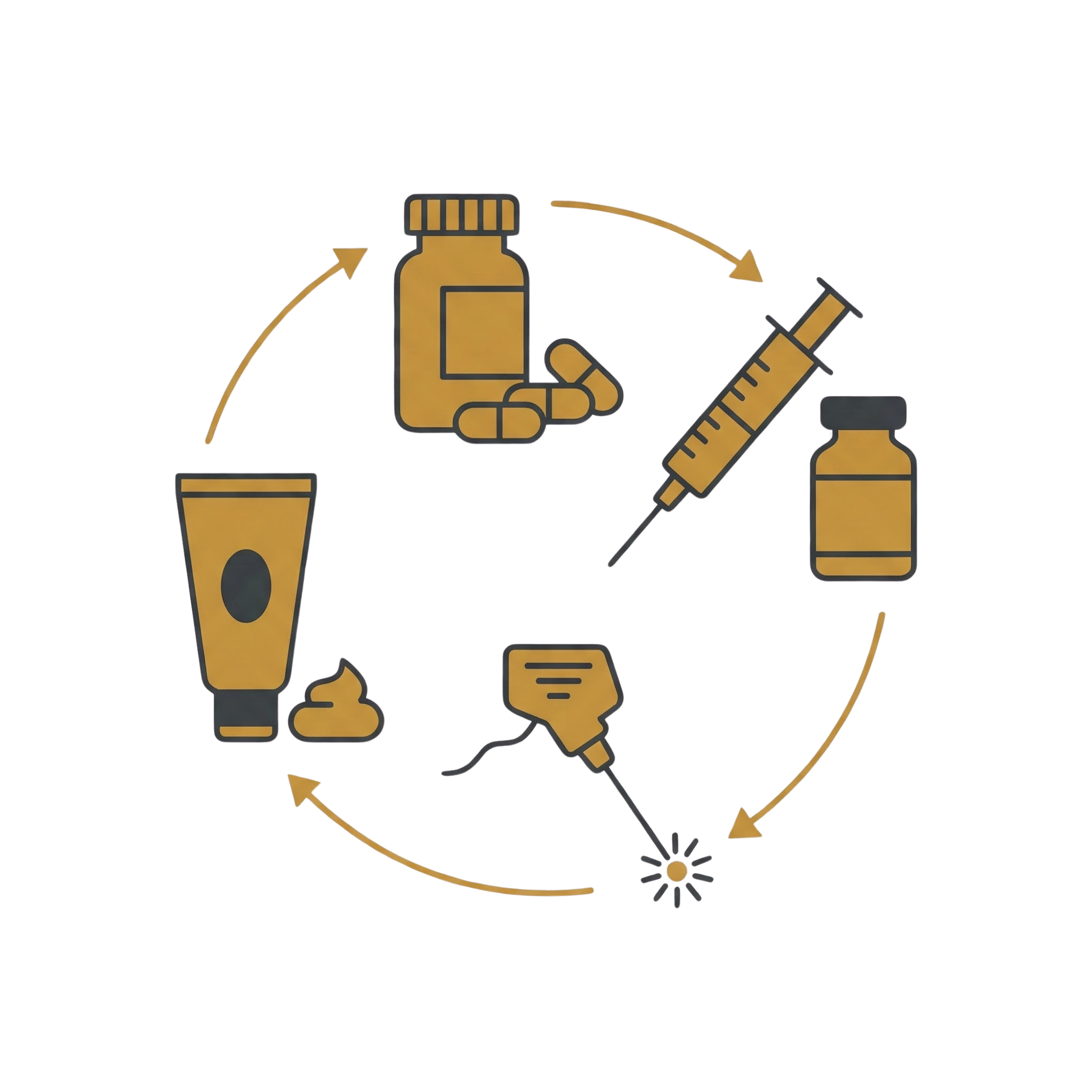
Treatment Planning & Long-Term Follow-up (managing recurrence)
Keloids tend to recur, so a single injection rarely ends it. Under gentle relief we inject a large lesion completely, evenly and adequately, then — on the premise of intervals of several weeks and long-term follow-up — the physician plans the number of sessions and intervals. This is the realistic path against recurrence.
- Complete, even, adequate injection of a large lesion under gentle relief
- Multiple sessions spaced several weeks apart, with long-term follow-up
- Number and interval planned by the physician per lesion (outcomes vary)
Why "Gentle Relief" Matters for Large Areas
Hard tissue, sensitive site, large area — so "completing it properly" directly decides the outcome

Gentle Relief, Substantially Less Pain
Keloids are hard and densely fibrotic, so the medication must be advanced under high resistance and distributed evenly throughout the lesion to be effective; a large area or multiple keloids means many injection points in one session, each in hard tissue, and pain is the biggest barrier. Our long-developed gentle relief workflow substantially reduces discomfort, with no general anesthesia — so you can communicate with the physician in real time, without general-anesthesia risk, and need not give up over fear of pain. The method is decided by physician evaluation.
"Insufficient or uneven injection, or quitting follow-up over pain" is exactly a common reason for poor results and recurrence. Completing a large lesion evenly and adequately in a single session, and helping the patient finish the full course, is one key to fighting recurrence.
Liusmed Large-Area Keloid Injection Process
Professional Assessment × Gentle Relief Plan × Long-term Follow-up

Lesion Evaluation & Differentiation
The physician personally evaluates, differentiating keloid vs hypertrophic scar and confirming lesion extent, number, and whether it crosses the original wound boundary
Gentle Relief Plan
Substantially less pain, no general anesthesia
Intralesional Injection
Intralesional steroid is first-line; under gentle relief the drug is distributed evenly and adequately throughout the lesion
Multiple Sessions & Long-term Follow-up
Keloids tend to recur, requiring multiple injections and long-term follow-up; outcomes vary by individual
Understand This Is a Long-Term Battle
Keloids are inherently prone to recurrence and about half respond poorly to steroids, so a single injection rarely ends it. Plan on multiple injections, intervals of several weeks, and long-term follow-up — patient persistence is the realistic path against recurrence. The actual number and interval are planned by the physician per lesion.
About the Author
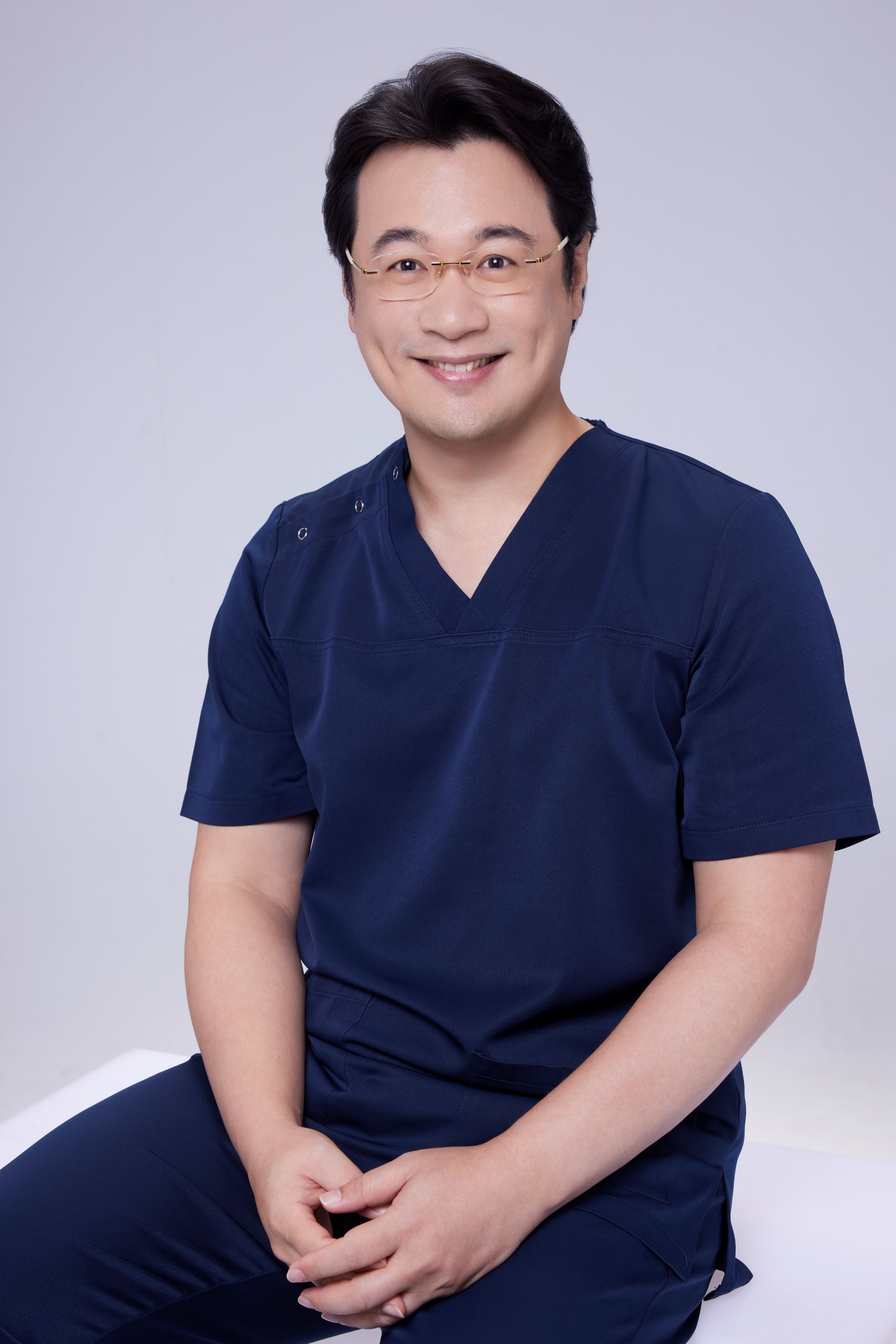
Dr. Ta-Ju Liu
Director, Liusmed Clinic
- Over 15 years of plastic surgery clinical experience
- Expert in scar and keloid treatment
- Board-certified Dermatologist
- Handled numerous difficult keloid cases
- Committed to honest expectation and risk setting
"Keloid treatment is a long-term battle grounded in science and evidence. We do not overpromise — we get the differentiation right, use gentle relief so a large area can be completed properly, then guard against recurrence with long-term follow-up."
Frequently Asked Questions (FAQ)
Q1: What is the difference between a keloid and a hypertrophic scar?
This is the key differentiation. A hypertrophic scar is raised and red but its growth stays within the original wound boundary and often fades over time. A keloid, by contrast, grows beyond the original wound edge — extending outward like crab legs — keeps proliferating, rarely regresses, and tends to recur. Correct differentiation drives the treatment plan and is determined by physician evaluation.
Q2: How is large-area keloid injection performed, and which medications are used?
Our first-line approach is intralesional steroid (triamcinolone) injection — the first-line treatment for keloids — which may improve lesion height, redness and itching. However, keloids tend to recur and some respond poorly to steroids, so multiple injections and long-term follow-up are needed, and outcomes vary by individual. The actual number and interval are planned by the physician per lesion.
Q3: With a large or multiple keloids, will receiving many injections in one session be very painful?
Keloids are hard and densely fibrotic, so the medication must be advanced under high resistance and distributed evenly throughout the lesion to be effective; a large area or multiple lesions means many injection points in one session. Our long-developed gentle relief workflow substantially reduces discomfort, with no general anesthesia — so you can communicate with the physician in real time, without general-anesthesia risk, and need not give up over fear of pain. "Insufficient, uneven injection, or quitting follow-up over pain" is a common reason for poor results and recurrence. The method is decided by physician evaluation.
Q4: Will keloids recur after treatment? How many sessions are needed?
Keloids are inherently prone to recurrence, and roughly half respond poorly to steroids (steroid-resistant), requiring multiple or combination therapy and long-term follow-up; outcomes vary by individual. Completing a large lesion evenly and adequately in a single session, and helping the patient finish the full course, is one key to fighting recurrence. The actual number and interval are planned by the physician per lesion.
Q5: What are the risks and side effects of injection?
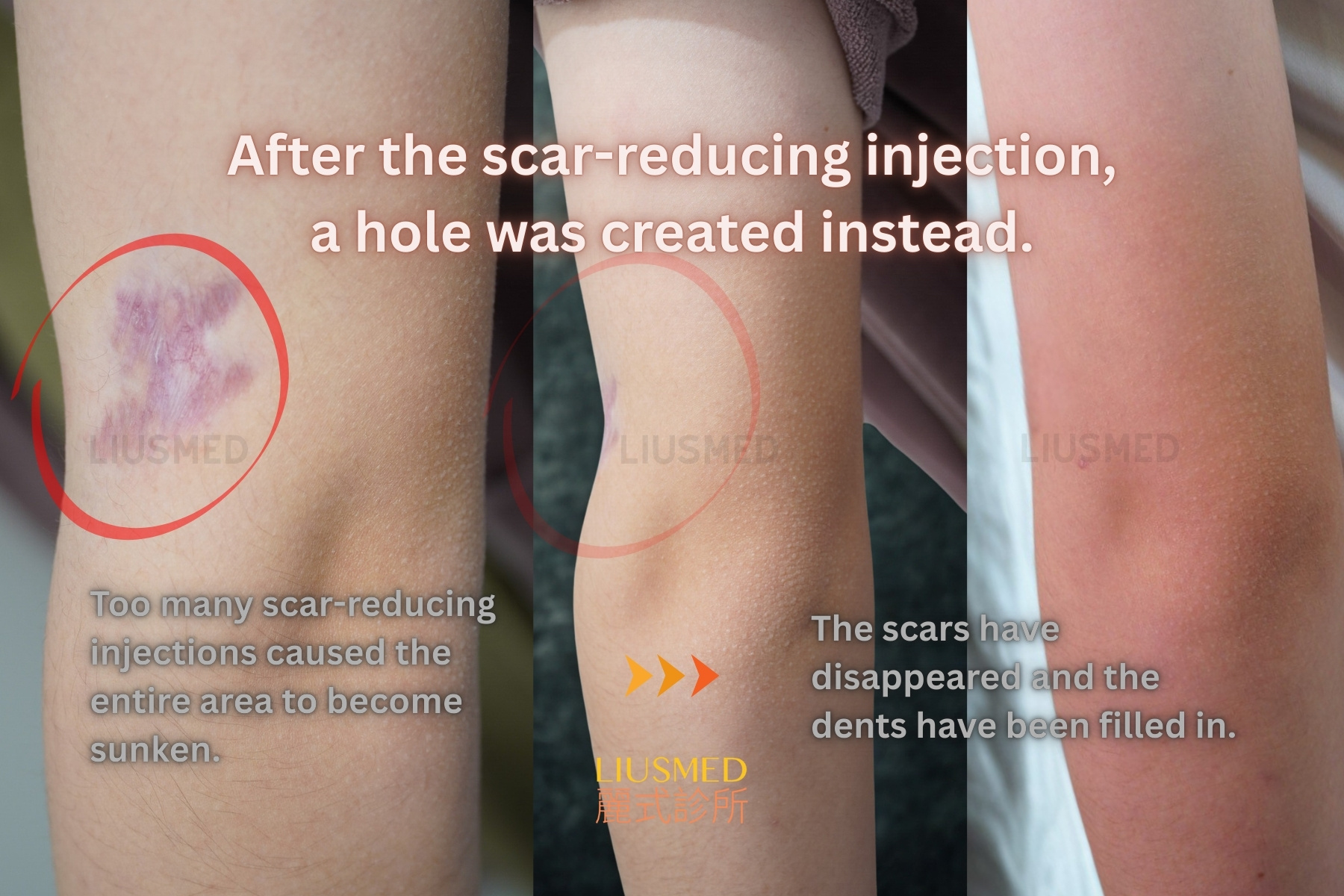
Intralesional steroid may cause skin or subcutaneous atrophy, depression, telangiectasia, pigment changes, and delayed wound healing (combined adverse-reaction rates can reach roughly 50-63%). Keloids tend to recur and some lesions respond poorly to steroids. All risks and suitability are explained individually after the physician’s personal evaluation.
Q6: How many treatments are needed? What about costs?
It varies by individual. Keloids usually require multiple injections spaced several weeks apart, with long-term follow-up. Costs depend on lesion area, number and difficulty and require the physician’s personal evaluation; actual fees are explained individually via LINE consultation or in-person visit.
Other Skin Repair Services
Keloids grow beyond the wound and recur — let a large lesion be injected evenly and completely in one sitting
Intralesional steroid first-line · gentle relief lets multiple/large lesions be completed evenly and adequately in one session · keloids tend to recur and some respond poorly to steroids · multiple sessions and long-term follow-up needed · outcomes vary by individual
Your Large-Area Keloid Treatment Includes
Keloid vs. hypertrophic scar differentiation
Hypertrophic scars stay within the wound; keloids cross the boundary and recur — differentiation drives the plan
Intralesional steroid (triamcinolone) injection
First-line for keloids, listed on the FDA label as an indication; may improve lesion height, redness, itching and pain
Treatment planning & long-term follow-up (managing recurrence)
Keloids tend to recur and some respond poorly to steroids, so a single injection rarely ends it; on the premise of intervals of several weeks, multiple sessions and long-term follow-up, the physician plans the number and interval; outcomes vary
Gentle relief lets large-area / multiple lesions be evenly and adequately completed in one session
Keloids are hard and densely fibrotic, requiring high-resistance, evenly distributed delivery; no general anesthesia, real-time dialogue with the physician, so you need not give up midway over fear of pain
※ Click any chip to view full scope and exclusion terms
Want to know which path fits your situation? Either way works — pick whichever feels easier.
For a Large-Area Keloid, Let the Physician See the Lesion First
Book a consultation and let us evaluate the keloid extent and your body type to build a realistic plan including gentle relief.
Book Keloid Lesion Consultation