
Ultrasound Lift (HIFU)
Focused ultrasound tightening | gentle relief × nerve-zone avoidance × line-by-line targetingPhysician-operated · no general anesthesia, substantially reduced discomfort · facial nerve avoided by anatomy · line-by-line targeting that delivers energy to the right depth (effect varies by individual)
Gentle Relief × Nerve-Zone Avoidance × Line-by-Line Targeting
Gentle Relief, Lowering the Deep-Ache Barrier
HIFU thermal coagulation points lie deep and often bring deep aching — the barrier that stops many. Our long-developed gentle relief workflow substantially reduces discomfort, with no general anesthesia, so you need not give up for fear of pain and can complete an adequate line-count.

Nerve-Zone Avoidance, Crooked-Mouth & Numbness Prevention
Energy landing on the facial-nerve course can cause transient crooked mouth or numbness. Before treatment the physician maps facial anatomy by layer, choosing depth and avoidance paths and steering clear of risk zones — nerve safety is the core of how we do HIFU, not a one-size-fits-all protocol.
Physician Targets Line by Line, No Rushing
For HIFU to work, energy has to reach the right depth. I target line by line, by hand — I will not glide fast to save time and skim past the points that should pause. Which layer to treat and which nerve zone to skirt is judgment built from years of reading faces, including faces damaged elsewhere. If something does go wrong, our revision and nerve-repair specialties can catch it.
For years Liusmed has handled cases stepping in after HIFU burns, transient nerve symptoms, and over-concentrated-energy sequelae. Precisely because we have seen "how nerves get hurt," we know better "how to steer clear." HIFU in our hands rests on the confidence of being able to step in — pre-treatment anatomical assessment, gentle relief, nerve-zone avoidance, and line-by-line targeting, none optional.
If You Have These Concerns
How HIFU Works — and Why Nerve Injury Can Happen
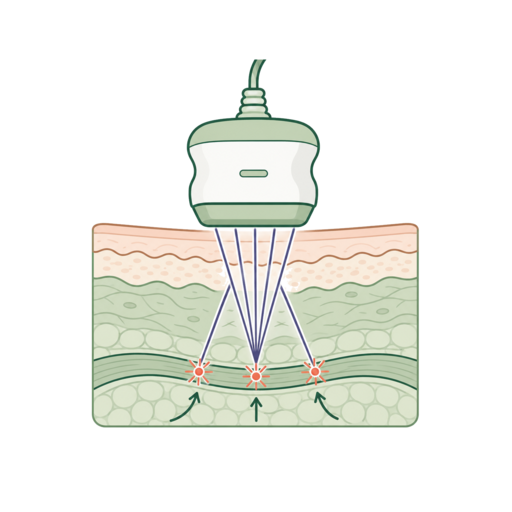
Focused Ultrasound: Layered Thermal Coagulation Points
Focused ultrasound concentrates energy at specific depths (e.g., 1.5/3.0/4.5mm) to form micro thermal coagulation points (MMP) corresponding to superficial dermis, deep dermis and the fascial (SMAS) layer — collagen contracts immediately and new collagen is stimulated over the following months.
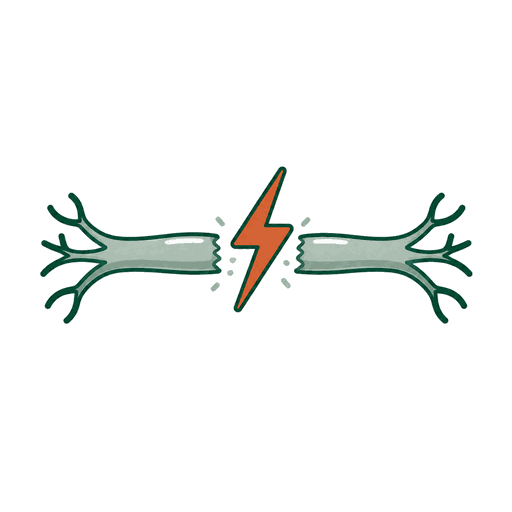
Why Nerve Injury Can Happen: Course Zones & Layering
Facial-nerve branches run along fixed courses; if high-energy thermal points land on these zones or the wrong depth is chosen, transient crooked mouth, asymmetric expression or numbness can result. Hence anatomy-based layering and avoiding nerve courses is the key safety step for HIFU, not an optional extra.
Where Deep Ache Comes From + Gentle Relief
Deep aching is most evident when thermal points sit near periosteum and the fascial layer — the trait where HIFU's "effectiveness" and "pain" coexist. Gentle relief substantially reduces discomfort so most need not cut treatment short for fear of pain and can complete an adequate line-count, because "not finishing" is often the real reason effect falls short.
Good Candidate
- ‧Mild-to-moderate facial laxity, wanting SMAS-level lifting
- ‧Want tightening / contour improvement without surgery
- ‧Fear pain/anesthesia, want a gentle-relief option without general anesthesia
Needs Evaluation / May Fit Other Options
- ‧Severe sagging — may need surgical evaluation
- ‧Marked hollowing/volume loss — volumization (HA/fat) may fit better
- ‧History of nerve disease, implants/fillers in the area require prior disclosure/evaluation
Treatment Process
Consult → gentle relief → layer targeting → physician delivery → follow-up

Consultation
Laxity, facial anatomy, nerve risk, prior treatments

Gentle Relief Plan
No general anesthesia, substantially reduced discomfort
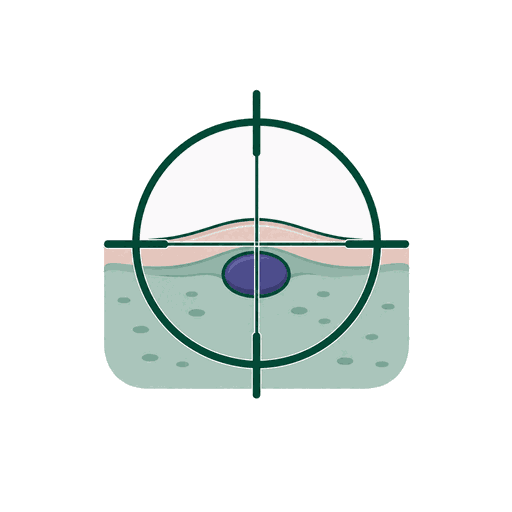
Layer Targeting Plan
Map nerve courses, plan depth per line
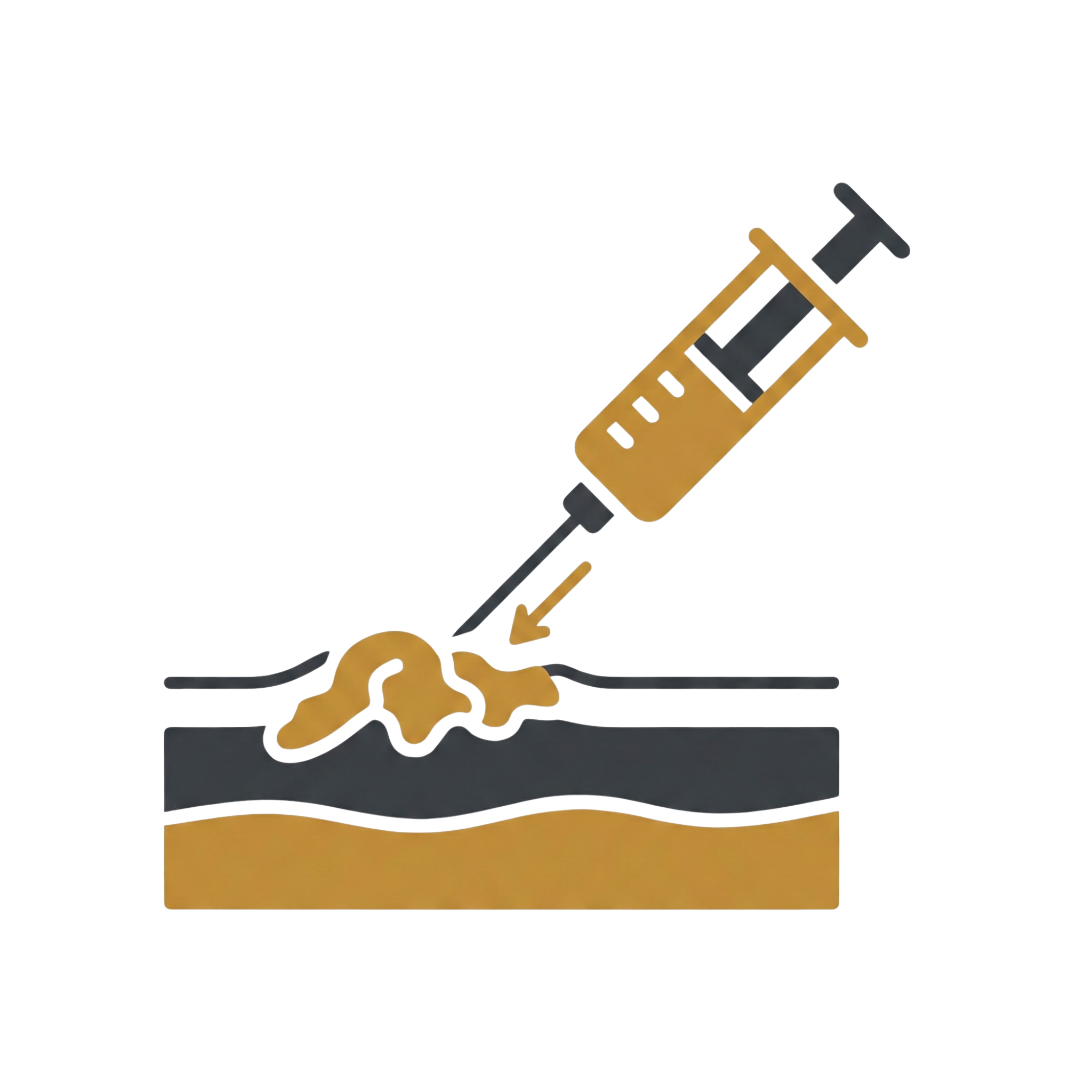
Physician Delivers
Layered by anatomy, nerve courses avoided

Follow-Up
Burn/nerve-symptom concerns handled by specialty
Why Liusmed Treats "Nerve Safety" and "Energy On Target" as the Baseline for HIFU
The two most common HIFU complaints online are "crooked mouth / numb face after" and "no result at all." Neither is luck — both are process: anatomy-based layering and avoiding nerve courses decide nerve injury; whether energy reaches the right depth line by line decides whether it works.
Literature Support
- ·Literature: high-intensity focused ultrasound (HIFU) forms micro thermal coagulation points (MMP) at varying depths (e.g., 1.5/3.0/4.5mm), targeting dermis and the fascial (SMAS) layer to stimulate collagen contraction and neocollagenesis; a non-invasive lift, but redness, bruising and transient sensory changes can still occur.
- ·Safety reports and cases show: when energy lands on the facial-nerve course (e.g., the marginal mandibular branch) or the wrong depth is chosen, transient motor-nerve palsy, lip asymmetry and local numbness have occurred; most are transient and recover over time, but this underscores the importance of anatomy-based layering and avoiding nerve courses.
- ·Pain is most evident when thermal points sit near periosteum and the fascial layer — two sides of the same mechanism as "effectiveness"; literature also notes rare but noteworthy adverse events such as burns and local fat atrophy, all closely tied to energy settings, depth selection and operator experience.
Dr. Liu — Clinical Observations
- ·We use gentle relief to substantially lower the deep-ache barrier, so most need not cut treatment short for fear of pain and can complete an adequate line-count — because "not finishing" is often the real reason effect falls short.
- ·Nerve safety is not about "going faster," but about the physician knowing facial anatomy, recognizing nerve courses, and choosing the right depth. We would rather be conservative in certain zones than push energy into risk areas for the sake of a lifting figure.
- ·If you were already burned or developed transient nerve symptoms elsewhere, our revision and nerve-repair specialties can step in to assess — which is also why we are confident doing HIFU: we have answers even for "after it goes wrong."
Gentle relief, nerve-zone avoidance, and line-by-line targeting — these three are our prerequisites for "HIFU worth doing."
FAQ
Does HIFU hurt? Can I avoid general anesthesia?
Can HIFU injure nerves or leave a crooked mouth?
Why does HIFU work for some people and do nothing for others?
How many lines do I need? Are more always better?
When does the effect appear and how long does it last?
Who is unsuitable or should disclose conditions?

Dr. Ta-Ju Liu
Director, Liusmed Clinic · Over 15 years in minimally-invasive treatment
- Former attending dermatologist, Chang Gung Medical Center & Cosmetic Center
- Board-certified dermatologist · minimally-invasive surgery focus
- Advanced ultrasound-guided procedures · filler complication repair · complete apocrine gland clearance
"You can only treat what you can see" is the core belief running through every procedure I do. The subcutaneous world is intricate; what used to depend on experience and palpation now has a more reliable lens — advanced ultrasound. Seeing vessels, nerves, capsules, and glands first, then deciding where and how deep to cut — that is the standard every patient deserves.
Afraid of Aching, Nerve Injury, or No Result? Let the Physician Map Your Face and Nerve Courses First, Then Decide
HIFU — gentle relief, nerve-zone avoidance, line-by-line targeting, repairable. Actual planning and fees depend on your case, explained via LINE or in person.
HIFU — afraid of deep aching and of nerve injury or a crooked mouth? Gentle relief × nerve-zone avoidance × line-by-line targeting
Physician-operated · facial anatomy mapped by layer to avoid the facial-nerve course · line-by-line targeting that delivers energy to the right depth · gentle relief substantially reduces discomfort (results vary by individual)
Your HIFU at Liusmed Includes
Gentle pain relief, substantially reduces discomfort (no general anesthesia)
HIFU thermal coagulation points lie deep and often bring deep aching; our gentle relief workflow substantially reduces discomfort, so you need not give up treatment for fear of pain and can complete an adequate line-count
Nerve-zone avoidance to reduce crooked-mouth / numbness risk
Energy landing on the facial-nerve course can cause transient crooked mouth or numbness; the physician maps facial anatomy by layer, choosing depth and avoidance paths — the core of HIFU safety
Physician Targets Line by Line, No Gliding
I target line by line, by hand — delivering energy to the right depth, skirting nerve zones, never gliding fast past the points that should pause; with depth and energy on target, the result emerges over the following months
Burn / nerve-symptom concerns — our specialty can step in
If burns or transient nerve symptoms follow HIFU, our revision and nerve-repair specialties can assess and step in; this capacity to step in is the confidence behind our HIFU
※ Click any chip to view full scope and exclusion terms
Want to know which path fits your situation? Either way works — pick whichever feels easier.