Rosacea Flares in Pregnancy: Safe Treatment Options
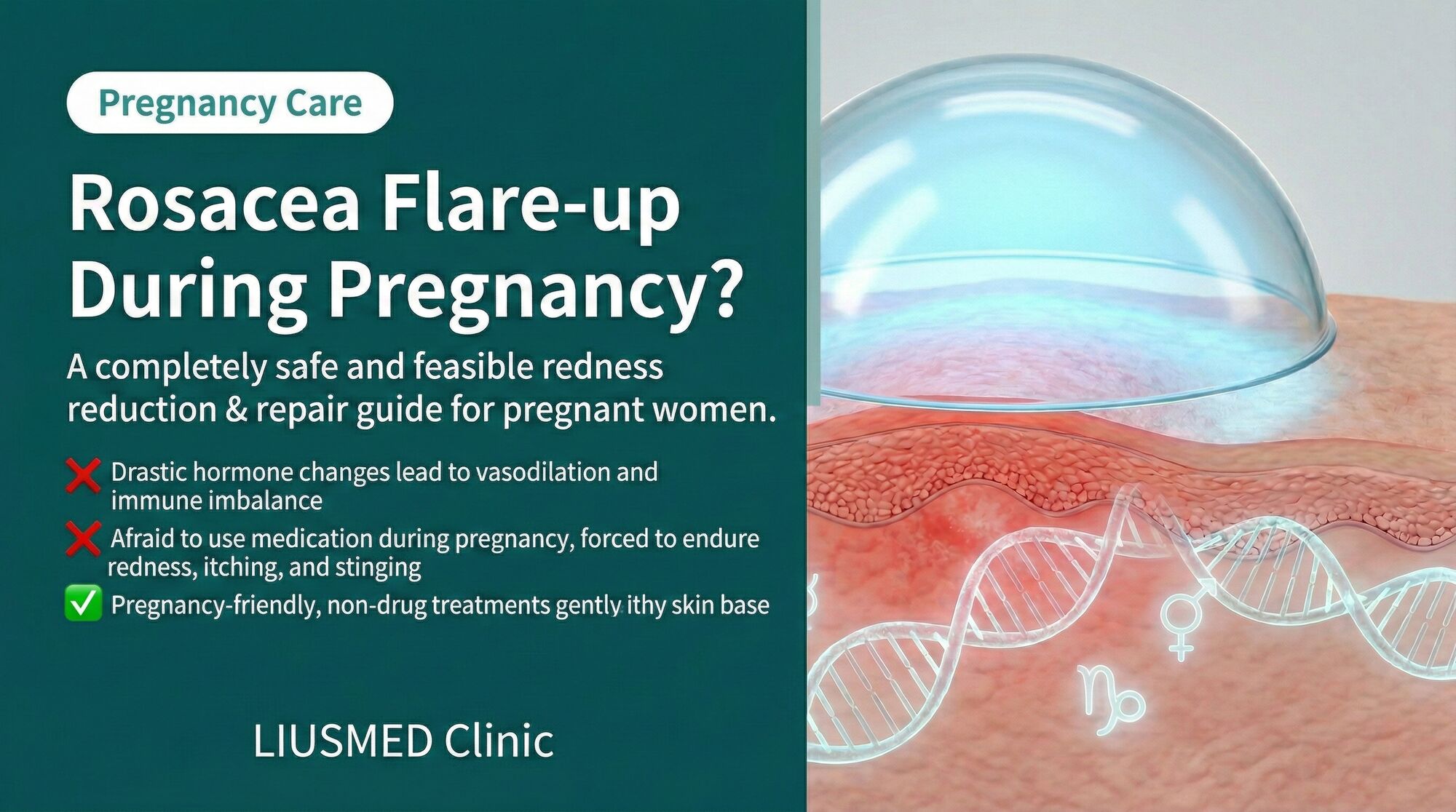
You had finally found a rosacea regimen that kept your skin manageable. Then you saw the positive pregnancy test, and within the same week your dermatologist told you to stop your doxycycline immediately and your metronidazole "to be safe." By the end of the first trimester, surging hormones had triggered the worst flare of your life, and the treatments that could help were the ones you were told not to use. Pregnancy-related rosacea flares present a uniquely challenging scenario where maternal quality of life must be balanced against fetal safety, and where evidence-based guidance is surprisingly sparse.
Table of Contents
- Why Pregnancy Triggers Rosacea Flares
- Medication Safety Categories: What to Stop, What to Continue
- Safe Topical Options During Pregnancy
- Managing Severe Flares Without Standard Systemic Therapy
- Skincare and Lifestyle Strategies for Pregnant Rosacea Patients
- Postpartum and Breastfeeding Considerations
Why Pregnancy Triggers Rosacea Flares
Pregnancy creates a hormonal environment that intersects with rosacea pathophysiology at multiple points, making flares not only common but predictable.
Estrogen and Progesterone. Both hormones rise dramatically throughout pregnancy, with estrogen increasing up to 30-fold and progesterone up to 10-fold by the third trimester. Estrogen directly influences vascular tone by promoting nitric oxide synthesis and vasodilation. It also upregulates TRPV1 (Transient Receptor Potential channels) expression on sensory nerve endings, lowering the threshold for neurogenic inflammation. Progesterone increases sebaceous gland activity, potentially creating a more favorable environment for Demodex proliferation and follicular inflammation.
Blood Volume Expansion. Maternal blood volume increases by approximately 45% during pregnancy to support placental circulation. This hemodynamic change means more blood flows through the superficial facial vasculature, amplifying the visible redness from any vasodilatory stimulus. Vessels that were borderline dilated before pregnancy become conspicuously dilated, and telangiectasia that was barely visible becomes prominent.
Immune Modulation. Pregnancy shifts the maternal immune system toward a Th2-dominant profile to prevent rejection of the genetically foreign fetus. While this shift suppresses certain autoimmune conditions (rheumatoid arthritis often improves during pregnancy), rosacea, which involves innate immune dysregulation rather than adaptive autoimmunity, may worsen because the Th2 shift does not address the TLR2/cathelicidin axis and may actually promote mast cell activity.
Thermoregulation Changes. Basal metabolic rate increases during pregnancy, elevating core body temperature. This chronic mild hyperthermia keeps TRPV1 channels closer to their activation threshold, meaning that previously tolerated thermal stimuli (warm rooms, hot beverages, mild exercise) now trigger flushing episodes.
Emotional and Physical Stress. The physiological and psychological demands of pregnancy elevate cortisol and catecholamine levels, both of which can modulate neurovascular reactivity and lower the flushing threshold.
These overlapping mechanisms explain why approximately 60-70% of women with pre-existing rosacea report worsening during pregnancy, with the second and third trimesters being the most affected periods.
Medication Safety Categories: What to Stop, What to Continue
The following classification reflects current evidence and expert consensus on common rosacea medications during pregnancy. Importantly, formal randomized controlled trials in pregnant women are rarely conducted for ethical reasons, so much of the evidence comes from observational studies, animal data, and registry data.
| Medication | Category | Pregnancy Safety | Recommendation |
|---|---|---|---|
| Azelaic acid (topical 15-20%) | Considered compatible | No teratogenicity in animal studies; minimal systemic absorption; naturally occurring compound | May continue under medical supervision |
| Metronidazole (topical 0.75-1%) | Uncertain but likely low risk | Limited human data; low systemic absorption from topical; oral form has mixed data | Generally discontinued first trimester; may be considered second/third trimester after discussion |
| Ivermectin (topical 1%, Soolantra) | Insufficient data | Limited pregnancy data for topical form; oral form avoided in pregnancy | Generally discontinued; insufficient evidence to confirm safety |
| Doxycycline/Minocycline (oral) | Contraindicated | Tooth discoloration, bone growth inhibition after week 16; potential hepatotoxicity; class D | Stop immediately upon pregnancy confirmation |
| Isotretinoin (oral) | Absolutely contraindicated | Known potent teratogen; Category X | Must be stopped at least one month before conception |
| Brimonidine (topical) | Insufficient data | Alpha-2 agonist; no adequate human pregnancy studies; systemic absorption possible | Generally avoided; insufficient safety data |
| Oxymetazoline (topical) | Insufficient data | Limited data; nasal form used in pregnancy with apparent safety | Caution; discuss risk-benefit with physician |
| Erythromycin (oral) | Generally considered compatible | Long track record in pregnancy for other indications; no confirmed teratogenicity | May be considered for severe papulopustular flares |
| Niacinamide (topical) | Compatible | Water-soluble B vitamin; naturally occurring; no concerns at topical concentrations | Safe to continue |
| Calcineurin inhibitors (tacrolimus, pimecrolimus) | Limited data | Minimal systemic absorption from topical; limited pregnancy data | Generally avoided as precaution; discuss with physician |
The most critical action is immediate discontinuation of oral doxycycline, minocycline, and isotretinoin. For patients on isotretinoin who discover pregnancy, the medication must be stopped and urgent obstetric consultation arranged due to the high teratogenic risk. For tetracyclines, the risk of dental and bone effects applies primarily after gestational week 16, but the standard recommendation is to discontinue as soon as pregnancy is confirmed.
Safe Topical Options During Pregnancy
With many standard treatments restricted, the available topical armamentarium for pregnant rosacea patients is limited but not negligible.
Azelaic Acid. This is the cornerstone of pregnancy-safe rosacea treatment. Azelaic acid is a naturally occurring dicarboxylic acid found in grains. Less than 4% of a topical dose is systemically absorbed, and the compound is already present in the body as an intermediate in fatty acid metabolism. Animal studies at doses far exceeding topical exposure have shown no teratogenic effects. It provides anti-inflammatory, anti-keratinizing, and antioxidant benefits relevant to papulopustular rosacea. Prescription strengths of 15% gel or 20% cream are preferred for efficacy, though over-the-counter formulations at 10% may provide milder benefit.
Ceramide-Based Barrier Repair. While not treatment in the pharmacologic sense, rigorous barrier support reduces transepidermal water loss, lowers trigger sensitivity, and creates a healthier skin environment that can moderate flare severity. Products containing ceramides, cholesterol, and fatty acids in physiologic ratios are safe during pregnancy and should form the foundation of the skincare routine.
Mineral Sunscreen. Zinc oxide-based sunscreens are the safest option during pregnancy. They do not penetrate the skin significantly, and zinc is an essential nutrient. UV protection is particularly important during pregnancy because hyperpigmentation (melasma) risk is elevated, and UV exposure compounds rosacea inflammation. Chemical sunscreen ingredients, particularly oxybenzone and homosalate, raise more safety concerns during pregnancy due to endocrine-disrupting potential and systemic absorption.
Sulfur-Based Preparations. Topical sulfur at 5-10% concentration has a long history of use in pregnancy for various dermatologic conditions including rosacea. It has antiparasitic properties against Demodex, anti-inflammatory effects, and a well-established safety profile. The cosmetic limitation is odor, which may be more bothersome during pregnancy when olfactory sensitivity is heightened.
Green-Tinted Color Correctors. While not a medical treatment, cosmetic camouflage using mineral-based, fragrance-free green color correctors under foundation can substantially improve the psychological impact of severe redness. This is a valid component of quality-of-life management during pregnancy when pharmacologic options are limited.
Managing Severe Flares Without Standard Systemic Therapy
When topical therapy is insufficient and oral doxycycline is contraindicated, managing severe papulopustular flares during pregnancy requires creative approaches.
Oral Erythromycin. Among antibiotics used for rosacea, erythromycin has the longest safety record during pregnancy. While less effective than doxycycline for rosacea specifically, it provides anti-inflammatory benefit through MMP (Matrix Metalloproteinase) inhibition and direct suppression of inflammatory mediators. The estolate salt form should be avoided during pregnancy due to hepatotoxicity risk; erythromycin base or ethylsuccinate forms are preferred. Common side effects include gastrointestinal upset, which may compound pregnancy-related nausea.
Short-Course Low-Dose Prednisolone. For acute, severe inflammatory flares that significantly impact quality of life, a brief course (5-7 days) of low-dose oral prednisolone may be considered in the second or third trimester. This is not a routine recommendation and carries risks including gestational diabetes exacerbation and adrenal effects. However, severe rosacea flares that cause significant sleep disruption, eating difficulty (from perioral involvement), or severe psychological distress may warrant this intervention under close obstetric monitoring.
Cold Compresses and Environmental Control. Aggressive environmental trigger management becomes more important when pharmacologic options are limited. Maintaining ambient temperature below 21 degrees Celsius (70 degrees Fahrenheit), using a portable fan, applying cool compresses during flares, and avoiding hot environments reduces the neurovascular trigger load that pregnancy hormones have amplified.
Emotional Support and Expectation Management. Pregnancy is already an emotionally charged period, and the combination of worsening skin, limited treatment options, and concerns about medication safety creates significant distress. Acknowledging this distress rather than minimizing it, and providing realistic reassurance that pregnancy-related worsening typically improves postpartum, is a genuine component of care.
For patients with severe, treatment-resistant rosacea during pregnancy, planning for postpartum treatment initiation is important. Understanding the timeline for when full treatment options become available, and having a plan ready to implement, provides psychological reassurance during the pregnancy period. Rosacea Injection Treatment options can be discussed during pregnancy and planned ahead. We do not perform rosacea injections during pregnancy, and we do not recommend them while breastfeeding either. If treatment is still chosen after assessment, express and discard breast milk for three days afterwards to maintain supply, then resume feeding; agree the timing with your doctor before booking.
Skincare and Lifestyle Strategies for Pregnant Rosacea Patients
Maximizing non-pharmacologic management during pregnancy can substantially reduce flare frequency and severity.
Temperature Management. Sleep in a cool room (18-20 degrees Celsius / 64-68 degrees Fahrenheit). Use lightweight, breathable bed linens. Avoid hot baths and showers, opting for lukewarm water. Carry a portable misting fan for situations where ambient temperature is not controllable.
Dietary Optimization. Pregnancy is not the time for restrictive dieting, but avoiding known rosacea dietary triggers is compatible with healthy pregnancy nutrition. Minimize alcohol (which should already be eliminated during pregnancy), allow hot beverages to cool before drinking, and avoid concentrated capsaicin. Ensure adequate omega-3 fatty acid intake (from low-mercury fish sources or algae-derived supplements), which supports both anti-inflammatory pathways and fetal neurodevelopment.
Exercise Modification. Moderate exercise is beneficial during pregnancy but can trigger rosacea flushing through thermoregulation. Swimming in a temperature-controlled pool is ideal because the water prevents overheating. For land-based exercise, work out in air-conditioned environments, use a cooling towel on the neck, and reduce intensity to keep perceived exertion moderate. Early morning or evening outdoor exercise avoids peak heat and UV exposure.
Stress Management. Prenatal yoga, meditation, and structured relaxation techniques reduce sympathetic nervous system activation that contributes to flushing. These approaches have the dual benefit of rosacea management and pregnancy wellness.
Skincare Simplification. Reduce the skincare routine to the bare essentials: gentle cleanser, azelaic acid (if prescribed), ceramide moisturizer, and mineral sunscreen. Eliminate any product that was marginally tolerated before pregnancy, as the hormonal changes will likely push it past the tolerance threshold. Read ingredient lists carefully, as some brands reformulate products between purchases.
Postpartum and Breastfeeding Considerations
The postpartum period brings its own considerations for rosacea management as hormones shift, sleep deprivation accumulates, and the question of medication safety during breastfeeding arises.
Hormonal Transition. The dramatic drop in estrogen and progesterone after delivery causes a hormonal withdrawal that may temporarily worsen rosacea before improvement occurs. Some patients experience their most severe postpartum flare during the first four to six weeks after delivery, which unfortunately coincides with the most demanding period of newborn care.
Breastfeeding Medication Safety. Many rosacea medications have limited data during breastfeeding, but the following general guidance applies:
| Medication | Breastfeeding Compatibility |
|---|---|
| Azelaic acid (topical) | Compatible; minimal systemic absorption |
| Metronidazole (topical) | Generally compatible; low milk transfer from topical |
| Ivermectin (topical) | Limited data; likely low risk from topical but discuss with physician |
| Doxycycline (oral) | Short courses may be acceptable (AAP compatible); long-term use debated |
| Erythromycin (oral) | Compatible; long safety record during lactation |
| Isotretinoin (oral) | Contraindicated during breastfeeding |
| Brimonidine (topical) | Insufficient data; caution advised |
The key principle is that topical medications applied to the face in standard quantities produce negligible systemic levels and therefore negligible breast milk transfer. The primary consideration is whether the infant might come into direct skin contact with treated areas. Applying topical medications after breastfeeding and washing the face before the next feeding minimizes even this theoretical contact.
Treatment Resumption Timeline. Patients who are not breastfeeding can resume their full pre-pregnancy rosacea regimen (including doxycycline if indicated) as soon as the postpartum recovery period allows, typically two to four weeks after delivery. Breastfeeding mothers should work with their dermatologist and pediatrician to determine appropriate timing for each medication, balancing breastfeeding duration goals with rosacea management needs.
For patients whose rosacea worsened significantly during pregnancy and has not returned to pre-pregnancy baseline by three months postpartum, comprehensive reassessment is warranted. The hormonal and immunologic changes of pregnancy may have shifted the disease to a more active state that requires treatment escalation. Rosacea Injection Treatment can be considered postpartum once breastfeeding considerations are addressed, offering a targeted approach to resetting the neurovascular dysfunction that pregnancy may have amplified.
Frequently Asked Questions
Q1: Will my rosacea definitely get worse during pregnancy?
Not every pregnant patient with rosacea experiences worsening. Approximately 60-70% report increased symptoms, while some patients remain stable and a small minority actually improve. The trajectory depends on individual hormonal sensitivity, pre-pregnancy disease severity, baseline trigger burden, and whether existing treatments must be discontinued. There is no reliable way to predict individual response before it occurs.
Q2: I just found out I am pregnant and am on doxycycline. Have I already harmed my baby?
Early pregnancy exposure to doxycycline, before you knew you were pregnant, is unlikely to have caused harm. The tooth and bone effects associated with tetracyclines occur after the 16th week of gestation when calcification begins. First-trimester exposure has not been associated with increased rates of major birth defects in large epidemiological studies. However, stop the medication immediately and inform both your obstetrician and dermatologist. They can provide reassurance and monitoring appropriate to your specific timing of exposure.
Q3: Can I use prescription azelaic acid throughout all three trimesters?
Current evidence supports the safety of topical azelaic acid throughout pregnancy. It is a Category B medication (no evidence of risk in animal studies, no adequate human studies), and its minimal systemic absorption and endogenous occurrence in the body provide reassurance. Many dermatologists consider it the first-line prescription topical for rosacea during pregnancy. Discuss with your treating physician to confirm it is appropriate for your specific situation.
Q4: Is laser treatment for rosacea safe during pregnancy?
Vascular laser and intense pulsed light (IPL) treatments for rosacea telangiectasia are generally deferred during pregnancy. While the laser energy itself does not pose a known risk to the fetus, the pain associated with treatment, the potential for vasovagal responses, and the increased melanin production during pregnancy (increasing the risk of post-inflammatory hyperpigmentation) make postponement prudent. These treatments can be safely performed postpartum.
Q5: My rosacea is causing severe anxiety during pregnancy. Should I prioritize mental health over medication avoidance?
Mental health during pregnancy is a legitimate medical priority. Severe untreated maternal anxiety and depression carry documented risks for both mother and fetus, including preterm delivery, low birth weight, and impaired maternal-fetal bonding. If rosacea is contributing significantly to pregnancy-related psychological distress, discuss treatment options with your healthcare team. The risk-benefit calculation may favor using medications with reasonable safety profiles (such as topical azelaic acid, oral erythromycin, or short-course low-dose prednisolone) over the documented harms of untreated severe anxiety.
Q6: Will breastfeeding continue to affect my rosacea after delivery?
Breastfeeding maintains elevated prolactin levels and suppresses estrogen, creating a different hormonal environment from both pregnancy and the non-pregnant state. Some patients find rosacea improves during breastfeeding as estrogen levels drop, while others experience continued flaring due to sleep deprivation and stress. The hormonal effects of breastfeeding on rosacea are variable and unpredictable. Treatment decisions during breastfeeding should balance individual symptom severity with medication safety considerations.
About the Author
Dr. Ta-Ju Liu is the founder of Liusmed Clinic, specializing in regenerative medicine and minimal incision surgery. His clinical experience includes counseling pregnant and postpartum patients on safe rosacea management strategies that balance maternal skin health with fetal and infant safety. Dr. Liu advocates for collaborative care between dermatology and obstetric providers during this complex treatment period.
Disclaimer
This article is provided for educational and informational purposes only and does not constitute medical advice, diagnosis, or treatment. Medication safety during pregnancy and breastfeeding requires individualized assessment by qualified healthcare professionals who understand your specific medical history, gestational stage, and risk factors. Never start, stop, or modify medications during pregnancy without consulting your obstetrician and prescribing physician. The safety classifications presented reflect current evidence as of the publication date and may be updated as new data emerges. No doctor-patient relationship is established through reading this content.

Specialties
Credentials
- Kaohsiung Medical University, School of Medicine
- Attending Physician, Dermatology, Kaohsiung Chang Gung Memorial Hospital
- Attending Physician, Aesthetic Center, Kaohsiung Chang Gung Memorial Hospital
- Visiting Physician, Dermatology, Xiamen Chang Gung Hospital
- Visiting Physician, Aesthetic Center, Xiamen Chang Gung Hospital
"For every surgery, I strive to achieve a good outcome through a small incision and refined technique. Minimally invasive surgery is not just a technique — it's a commitment of respect to every patient."
Recovery after any procedure needs peer support too


Want to learn more?
Schedule a consultation for professional evaluation and advice