デリケートゾーンの臭い(すそワキガ)非侵襲治療 完全ガイド
針穴だけ、縫合なしの熱解離術
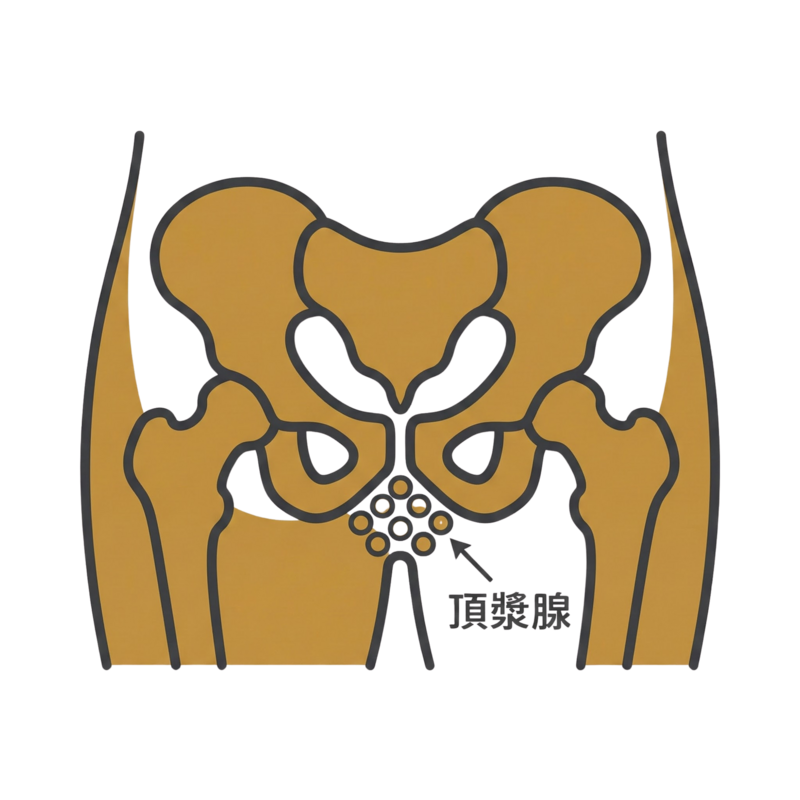
デリケートゾーンの臭い(すそワキガ)は、陰毛で覆われた部位のアポクリン腺の分泌に起因します。会陰部は特殊な位置にあり、ケアが困難であることから、麗式クリニックの劉達儒医師は「非侵襲熱解離術(Non-invasive Thermolysis)」を会陰部の主な治療法としています。入口は麻酔の針穴ほどで、開放創も縫合もなく、感染リスクは手術より低くなります(ゼロではありません)。当院の術後観察では発汗量が約80%減り、においも多くの方で明らかに軽くなります。麗式は会陰部の熱解離術を行う台湾でも数少ないクリニックの一つです。
なぜ麗式で会陰部のワキガを治療するのか
非侵襲熱解離、針穴のみ
会陰・鼠径部のアポクリン腺を熱エネルギーで処理し、入口は麻酔の針穴ほどだけで、切開も縫合もありません。

プライバシー配慮の診察
個室とプライバシーに配慮した流れで受診の気まずさを軽減します。

緩和鎮痛
全身麻酔なし、緩和鎮痛で術中の不快感を大きく減らします。
デリケートゾーン(陰部)のにおいはどう治療しますか?手術が必要ですか?
陰部のにおいは主にこの部位のアポクリン腺・汗腺によります。感染や治癒のリスクを考え、当院は従来の切開手術ではなく非侵襲の熱解離術を用います。熱エネルギーで腺を萎縮させ、入口は麻酔の針穴ほどだけで、切開も縫合もありません。穏やかな麻酔で痛みを大幅に軽減し、多くの方は僅かな感覚にとどまります。開放創がないため感染リスクは手術より低いものの、ゼロではありません。当院の術後観察では発汗が約80%減り、においも多くの方で明らかに軽くなります(個人差あり)。
目次
デリケートゾーンの臭いの原因:感染症かすそワキガか?
 デリケートゾーンの臭いの原因:感染症かすそワキガか?
デリケートゾーンの臭いは、多くの方にとって相談しにくい悩みであり、親密な関係にも影響を及ぼすことがあります。治療の前に、まず臭いの原因を明確にする必要があります。
すそワキガ(本治療の対象)
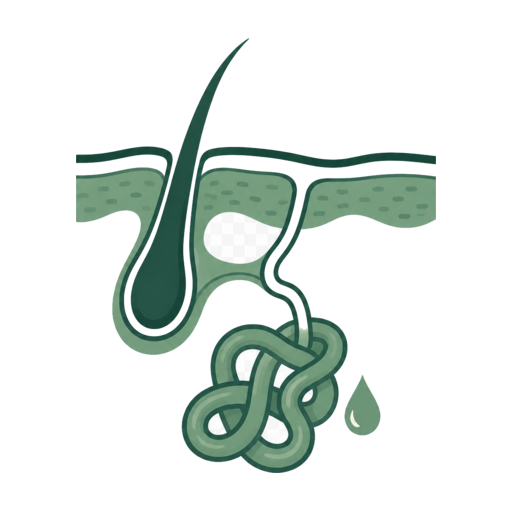
会陰部(陰毛で覆われた領域)の「アポクリン腺」に由来します。分泌物が細菌によって分解されると、ワキガに似た独特な臭い(辛い香りやクミンのような臭い)が発生します。性行為や運動時に臭いが強まり、下着に黄色いシミが見られることが多いです。
腟感染症(婦人科での治療が必要)
細菌、真菌、またはトリコモナス感染によるものです。分泌物は白いカッテージチーズ状や灰緑色を呈し、明らかなかゆみ、灼熱感、痛みを伴うことが多く、魚臭い臭いがします。かゆみや灼熱感がある場合は、まず婦人科を受診してください。
治療を検討すべきタイミング
- 親密な場面でデリケートゾーンから臭いがする
- 下着に黄色い分泌物が頻繁に付着する
- 運動時や緊張時に臭いがより顕著になる
- 親密な関係や自信に影響を及ぼしている
- さまざまな衛生用品を試しても効果が限定的
まず「すそワキガ」と「感染」のにおいを見分けたい方は、こちらの解説へ:すそワキガか感染か?におい3つの原因と受診科
なぜ非侵襲消臭術を選ぶのか?中核的な利点の解説
この極めてデリケートでプライベートな部位に対して、劉達儒医師は20年の臨床経験に基づき、「非侵襲熱解離術」を主力の治療方針として確立しました。細い絶縁針を通じて熱エネルギーを皮下のアポクリン腺層に届け、残るのは針穴だけで、切開も縫合もありません。
開放創なし
麻酔の針穴ほどの刺入点のみ、抜糸不要

においが明らかに軽減
多くの方で通常の対人距離では気になりにくくなります(個人差あり)

減汗+脱毛
発汗約80%減少、体毛50~80%減少(当院の術後観察)

神経への影響が少ない
神経組織への損傷は極めて少なく、生理機能への影響を抑えます
付加的効果:減汗と脱毛
消臭に加えて、当院の術後観察では治療部位の発汗量が約80%、体毛の総量が50~80%減少し(個人差あり)、デリケートゾーンの蒸れ感が軽くなります。
医師の見解:低侵襲手術のリスク評価
多くの患者様から「なぜワキガのように、低侵襲手術でしっかり切除しないのですか?」というご質問をいただきます。劉達儒医師(Dr. Ta-Ju Liu)が医療判断の変更について率直に説明します:
以前は実際に会陰部の低侵襲切除手術を行っていましたが、長期的な臨床フォローアップの中で、会陰部手術には3つの大きな課題があることがわかりました:
1. 極めて困難な創傷ケア
会陰部は尿道と肛門に隣接しており、全身で最も細菌量が多い部位の一つです。排泄の必要性もあり、創傷を無菌で乾燥した状態に保つことは極めて困難です。
2. 高い治癒リスク
この部位は常に湿潤環境にあり、歩行時に常に摩擦が生じるため、手術創が離開(Dehiscence)したり感染したりしやすくなります。
3. 瘢痕と癒着
治癒過程で感染が発生すると、不均一な瘢痕や癒着が残り、将来的な不快感の原因となることがあります。
結論
患者様の安全性と生活の質を考慮し、当院は会陰部のワキガを「非侵襲熱解離術」で治療しています。開放創がないため感染リスクは手術より低くなりますが、麻酔と熱エネルギーの導入で針穴は残り、針穴は皮膚の入口になります。そのため術前の洗浄と無菌操作は同じように行います。感染リスクは低いものの、ゼロではありません。そのため、現在では会陰部の開放手術や低侵襲手術を通常は推奨しなくなりました。
当院はこの部位のプライバシーの重要性を深く理解しており、全医療スタッフが厳格なプライバシー手順を守り、安心できる治療環境を提供しています。
治療の流れ
プライバシーと快適さの両立

専門的評価
臭いの原因を確認(わきからの伝導、感染、または原発性すそワキガを区別)。わきの悩みも同時にある場合は、併合治療を手配できます。
局所麻酔
穏やかな麻酔法を使用し、治療中の痛みを大幅に軽減します。多くの方は僅かな感覚にとどまります(個人差あり)。
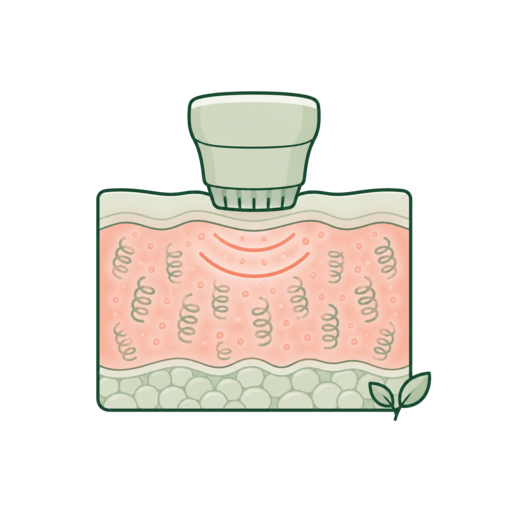
非侵襲熱解離
施術時間は約2時間、熱エネルギーで腺を処理し、残るのは針穴だけで切開はありません。

術後の回復
日常生活の多くは当日から可能です。治療部位は約3~4週間腫れますが、通常は日常生活に支障はありません。
著者について
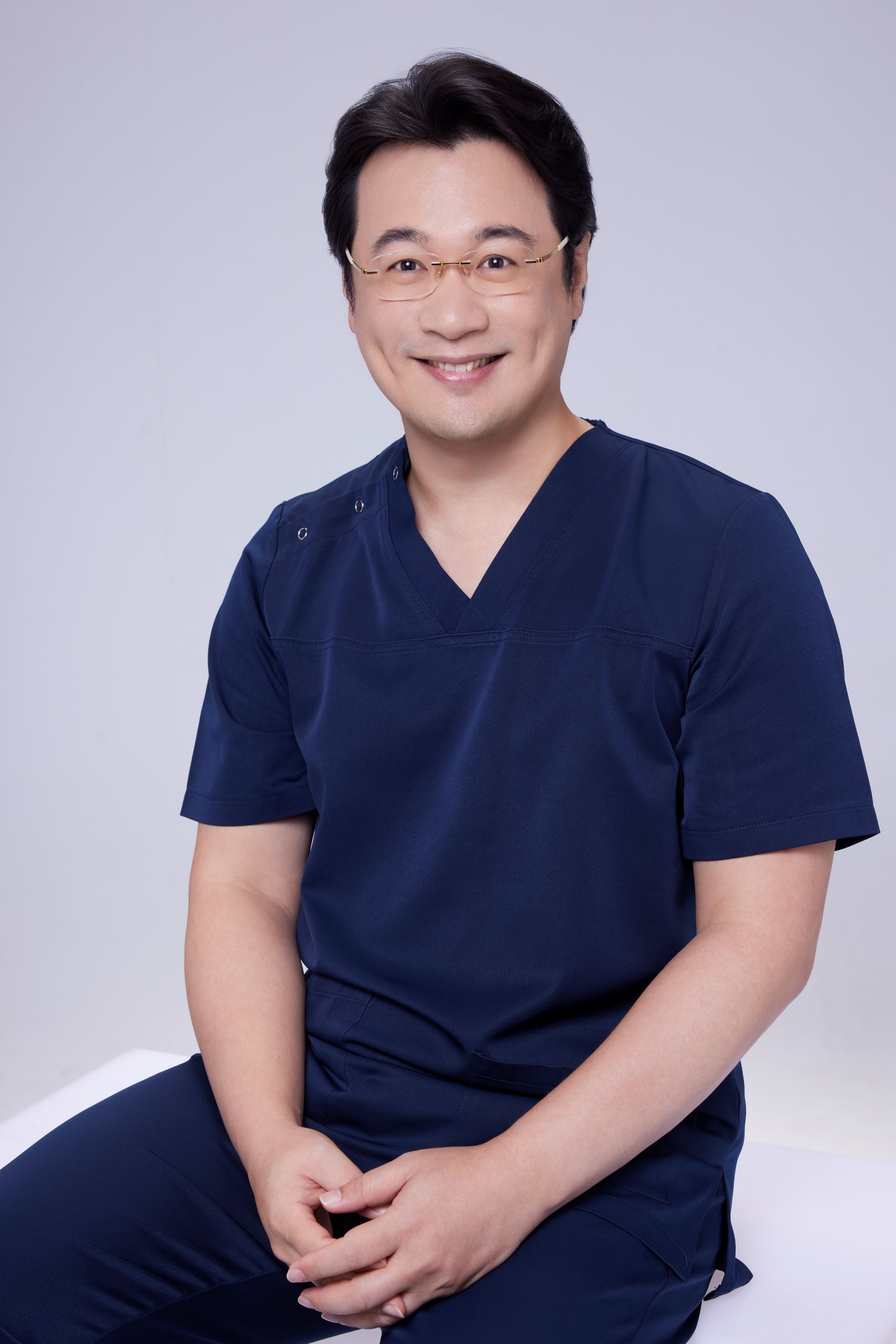
劉達儒 医師
麗式クリニック 院長
- 中華民国皮膚科専門医
- 20年以上のワキガ治療経験、15年以上の多汗症治療経験
- 長年、非侵襲熱解離術(針穴のみ・縫合なし)で会陰部のワキガを治療
- 累計10,000例以上のワキガ・多汗症治療
- 乳輪・わきのワキガにも対応(低侵襲手術)
「効果を追求する前に、安全性を第一に考えます。デリケートゾーンには、針穴だけで縫合のいらない非侵襲の熱解離を選び、相談しにくいお悩みに向き合います。」
よくある質問 FAQ
なぜ現在、デリケートゾーンの低侵襲手術が少なくなったのですか?
これは安全性とケアの観点に基づいています。会陰部は位置が特殊で、排尿口や肛門に近く、細菌が多く乾燥を保つのが困難なため、手術創は感染や離開を起こしやすくなります。一方、「非侵襲熱解離術」は針穴だけで開放創がないため、感染リスクは手術よりずっと低くなります。ただし針穴も入口なので、術前の洗浄と無菌操作を行います。リスクは低いものの、ゼロではありません。多くの方でにおいは明らかに軽くなりますが、程度には個人差があります。
非侵襲治療後、デリケートゾーンの体毛量に影響はありますか?
はい、通常これはメリットと見なされます。アポクリン腺と毛包は近接しているため、熱エネルギー治療は腺体を破壊すると同時に一部の毛包も破壊します。当院の術後観察では、陰毛の総量は通常50~80%減少し、デリケートゾーンがより清潔で通気性がよくなり、臭いの残留機会を減らします。
消臭効果は十分ですか?
多くの方でにおいは明らかに軽くなり、通常の対人距離では気づかれにくくなります。改善の程度には個人差があり、においが強い方は2回目の追加治療が必要になることもあります。
治療中は痛みがありますか?
完全に痛みがないわけではありませんが、特殊な局所麻酔と緩和鎮痛を併用することで、多くの方は麻酔の最初の一針に蚊に刺されたような軽いチクッとした感覚があるだけで、その後は痛みが大幅に軽減され、スムーズに完了できます。全身麻酔ではないため医師とその場で会話でき、実際の感じ方には個人差があります。術後は若干の腫れ感があるかもしれませんが、通常強い鎮痛剤は必要ありません。
回復期間はどのくらいですか?いつから性生活を再開できますか?
非侵襲熱解離術は針穴だけで、針穴は通常数日でふさがり、手術のように傷が治るのを待つ必要はありません。日常生活の多くは当日から再開できます。ただし、治療部位は約3~4週間腫れるため、腫れが完全に引いてから性生活を再開することをお勧めします。
「腟感染症」と「すそワキガ」をどう見分けますか?
ワキガ:ワキガに似た臭い(辛い香り/クミンのような臭い)、下着のシミは黄色、通常かゆみはありません。感染症:魚臭い臭いや腐敗臭、分泌物はカッテージチーズ状や黄緑色、通常明らかなかゆみや灼熱感を伴います。かゆみがある場合は、まず婦人科を受診してください。
すそワキガにボトックスは使えますか?熱解離術とどう違いますか?
使えます。ボツリヌストキシンは発汗を一時的に抑えますが、効果は時間とともに薄れ、定期的に打ち直す必要があります。熱解離術は汗腺そのものを処理する方法で、薬の効果に頼るものではありません。どちらが合うかは、においの強さとダウンタイムの受け入れ方で変わるため、診察の際に一緒に検討します。
効果はどのくらい続きますか?再発しますか?
熱解離術は腺そのものに作用するため、ボトックスのように薬の効果が代謝されて消えることはありません。ただし治療範囲外の腺や残った腺からにおうことはあり、少数の方は2回目の追加治療が必要になります。術後ににおいが再び目立つ場合は、感染やほかの原因がないか、まず受診して確認してください。
男性も治療できますか?
できます。会陰部のアポクリン腺は男女ともにあり、治療方法は同じです。治療範囲はにおいの実際の出どころで決め、会陰・鼠径部や周囲が含まれることがあります。
術後、自宅ではどうケアすればよいですか?
腫れている間はゆったりした通気性のよい綿の下着を着け、乾いた状態を保ち、指示どおりに針穴を清潔にしてください。医師が問題ないと判断するまでは、入浴(湯船)、水泳、こすれの多い運動は控えてください。赤み・熱感・痛みが強くなっていく、発熱や膿が出るといった場合は、早めに受診してください。
費用はどのくらいですか?
費用は治療範囲や、わき・乳輪など他部位との同時治療の有無で異なります。診察で評価したうえでご説明しており、ウェブサイトには価格を掲載していません。
関連サービス
デリケートゾーン・非侵襲熱解離・麻酔の針穴のみ
デリケートゾーンのにおいを軽減・切開も縫合もなし・プライバシー優先
においは多くの方で明らかに軽減。当院の術後観察で発汗約80%減・毛量50-80%減(個人差あり)
デリケートゾーン臭治療に含まれるもの
開放創なし・麻酔の針穴ほどの入針点のみ
抜糸不要・感染リスクは手術より低いもののゼロではなく、術前洗浄と無菌操作を徹底
神経への影響は極めて少なく、生理機能への影響を抑える
熱エネルギーは皮下のアポクリン腺層に作用し、深部の神経は処理しない
3重効果:消臭 + 発汗減少 + 減毛
においが明らかに軽減・発汗約80%減・毛量50-80%減(当院の術後観察、個人差あり)
プライバシー優先・全工程を医師が直接評価
療程に含まれるもの・術後ケア
各項目を選ぶと、適用範囲と除外条項の詳細を確認できます
どの方法が合うか迷っている方へ
まず写真を送って相談しても、直接診察を予約しても構いません。 ご相談から診察までの流れ