Naturally Full Cheeks: Precise Reduction Without Surgery (No Filler History Needed)
People often ask, a little self-consciously: “Doctor, I’ve never had any filler — my face is just naturally fleshier and my apple cheeks are especially big when I smile. Can this be made smaller?”
Yes. And let me say one thing first: thinning, precise reduction, isn’t only for people “fixing a botched job.” People who simply carry more soft tissue by nature are just as much who we serve.
Thinning isn’t a privilege of revision
Many assume that techniques like ultrasound-guided removal are only for people whose filler has gone wrong. It isn’t so.
All my years of filler revision rest on this foundation: see clearly on ultrasound, remove precisely through a single port. That same foundation applies to “naturally fleshy, want it smaller” — only this time what I take out isn’t injected filler, it’s your own excess subcutaneous fat.
Wanting a naturally full face to be smaller is a large market many people have a need for, yet few have addressed well. It isn’t that people don’t want to be smaller — it’s that they fear sagging, unevenness, or nerve injury. Those fears are valid; the issue isn’t “can it be smaller,” it’s “by what method.”
Key point: A naturally fleshy face that wants to be smaller can be thinned precisely under ultrasound, just like revision. The point isn’t “can it be done,” it’s “done by a method that can see, without harming what’s next to it.”
Why even a naturally full face can be thinned precisely
The key to precision is still ultrasound.
On ultrasound I can see which kind of “full face” yours is: is the subcutaneous layer thick? Is it a deeper issue? Or is the bone structure simply wider (which fat thinning helps little — that has to be said up front)? Once it’s clear it’s excess subcutaneous fat, I go in through a very small port and, under ultrasound, follow that subcutaneous layer and precisely take down the excess.
Because I’m working while watching the image, I can take only the layer that should go, avoiding and keeping the nerves, vessels, and deep support. The difference from working by feel is exactly this — being able to see.
How it differs from blind suction and dissolving shots
The common ways to make a face smaller around town are cheek liposuction, fat-dissolving shots, or various “contouring” / “small-face” injections that melt fat away.
What they share is not seeing inside, working blind in a red zone. The cheek is especially dense with nerves and vessels — facial-nerve branches, the vessels feeding the face are all here. A suction cannula or fat-melting injection goes by feel; injure a nerve and you get facial asymmetry, a crooked mouth; injure a vessel and you get a large bruise. And blind work is hard to keep even — melting more here, less there, and the face turns lumpy, hard to fix. The safety considerations of this area I cover in Safety limits of removing filler near the cheekbone.
Key point: Making a naturally full face smaller, the hard part isn’t “getting fat out” — it’s removing only what should go, without harming nearby nerves and vessels, and evenly. Blind suction and dissolving shots can’t be precise — that’s where the risk is.
It’s the subcutaneous fat, not the buccal fat pad — and it must not be over-thinned
Two matters of measure to stress.
First, it’s the superficial subcutaneous fat, not the deep buccal fat pad. The deep buccal fat pad is support; scoop it out and the face hollows and sags (the very thing people regret after buccal fat removal) — see Regret after buccal fat removal — hollow cheeks. For skin on bone, a small yet snug face, the layer to work is the subcutaneous fat — the three-way comparison behind this is in “Skin on bone” done right.
Second, it must not be over-thinned. Take too much from the cheek, clear it too cleanly, and the face hollows, looks tired, looks older — the very same look as cheeks deflating naturally with age. So my goal is “precisely thin, but not over-thinned,” keeping the fullness and youthfulness that belong. How much can be thinned and where is just right depends on your situation, varies from person to person — I won’t give you a guaranteed figure.
The apple cheek and cheek can be looked at together
People with a naturally full face often have not just a big apple cheek but a fleshy cheek alongside it. The advantage is that ultrasound-guided precise thinning can assess the apple cheek and the cheek together, treating wherever is full so the contour is harmonious — rather than thinning one spot and leaving the rest more prominent.
Of course, the prerequisite is still seeing clearly. Before anything, I survey the soft-tissue distribution across the whole mid-lower face on ultrasound, confirm which layer is excess and whether it’s safe to thin, then decide the approach and the staging. The procedure is under gentle pain-relief, not general anaesthesia — you’re awake and can make expressions to help me get the contour right.
To be smaller, let someone see which layer first
If you’re naturally fleshy and want to be smaller, don’t rush to take dissolving shots or book liposuction. Let someone look on ultrasound to see whether your “full face” is subcutaneous fat, a deeper issue, or bone structure — only excess subcutaneous fat is what precise thinning can help.
If you’re unsure which kind your bulge-when-smiling or full face is, sort out first whether you’re filling or reducing — there’s a full triage on our filler-revision specialty site. Apple-cheek and mid-face handling is gathered in Apple-cheek filler revision & thinning. To find out whether your face is suited to precise thinning, you’re welcome to book a consultation so I can look under ultrasound first.
Frequently Asked Questions
I've never had any filler — my face is just naturally fleshy. Can I still have this done?
Yes. It's the question I'm asked most, and the one most people have backwards. Many assume ultrasound-guided removal is a technique reserved for people whose filler has gone wrong — it isn't. All my years of filler revision rest on one foundation: see clearly on ultrasound, take it out precisely through a single port. That same foundation holds for a naturally fleshy face that wants to be smaller; the only difference is that what I take out isn't injected filler, it's your own excess subcutaneous fat. There is one prerequisite, though. We look on ultrasound first to see which kind of "full face" yours is. If the subcutaneous layer is thick, precise thinning can help. If the bone structure is simply wider, fat thinning helps little — and I'll tell you that up front.
How is this different from the fat-dissolving shots, contouring injections, and cheek liposuction sold around town?
The difference is whether anyone can see. Cheek liposuction, dissolving shots, the various contouring and "small-face" injections all share one problem: they work blind, in a red zone. The cheek is especially dense with facial-nerve branches and the vessels that feed the face, and a suction cannula or a fat-melting needle goes by feel — injure a nerve and you get facial asymmetry, a crooked mouth; injure a vessel and you get a large bruise. Blind work is also hard to keep even: more melted here, less there, and the face turns lumpy, which is hard to fix. I work while watching the ultrasound image, so I can take only the layer that should go and leave the nerves, vessels, and deep support alone. The hard part was never "getting fat out" — it's removing only what should go, without harming what's next to it, and evenly.
Is it the buccal fat pad you take? Will my face end up hollow, like people who regret buccal fat removal?
It isn't the buccal fat pad. This distinction matters: what I take down is the superficial subcutaneous fat, not the deep buccal fat pad. The deep pad is support — scoop it out and the face hollows and sags, which is exactly what people regret after buccal fat removal. For a face that's small and snug to the bone, the layer to work is the subcutaneous fat. Get the layer right and the face turns refined, not hollow.
How much can be taken? Could over-thinning make me look older?
It could — which is why I don't over-thin. Take too much from the cheek, clear it too cleanly, and the face hollows, looks tired, looks older; it's the same look as cheeks deflating naturally with age. So the goal is "precisely thin, but not over-thinned" — the fullness and youthfulness that belong there stay. As for how much can come off in your case and where is just right, that depends on your own condition and varies from person to person. I won't give you a guaranteed figure; it takes an ultrasound look at how your soft tissue is distributed before I can say.
Does this need general anaesthesia? I'm afraid of pain.
No general anaesthesia. It's done under gentle pain relief, which keeps the discomfort low — you're awake, you can talk to me, and you can make expressions for me. That's genuinely useful here: seeing how your face moves when you smile is how I get the contour right. Being afraid of pain shouldn't be the reason you give up on a treatment that suits you. What you feel still varies from person to person, and I'll go through the actual pain-relief plan with you in person.
Medical note: This is educational information, not individual medical advice. The results of facial soft-tissue thinning vary from person to person; no outcome is guaranteed, full evenness or symmetry cannot be promised, and the degree of thinning must be assessed conservatively to avoid over-reduction. The cheek and zygomatic region are dense with nerves and vessels, and fat removal may carry bruising, swelling, temporary or lasting asymmetry, and nerve- or vessel-related risks. Non-subcutaneous-fat factors such as bony width or skin laxity are helped little by fat thinning. Whether you are suited, which layer is worked, the staging, and the pain-relief plan are determined by in-person and ultrasound assessment.
Specialties
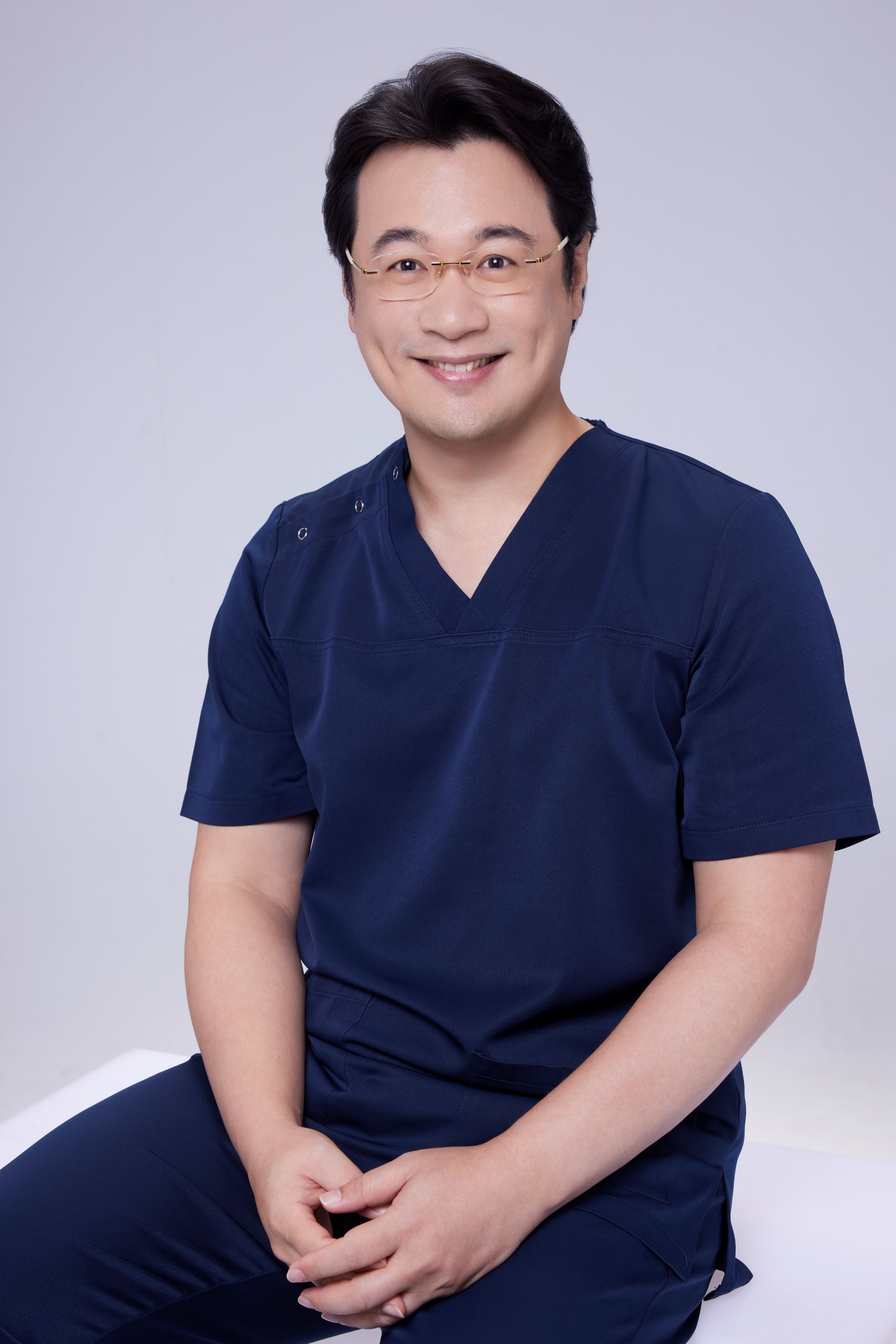
Credentials
- Kaohsiung Medical University, School of Medicine
- Attending Physician, Dermatology, Kaohsiung Chang Gung Memorial Hospital
- Attending Physician, Aesthetic Center, Kaohsiung Chang Gung Memorial Hospital
- Visiting Physician, Dermatology, Xiamen Chang Gung Hospital
- Visiting Physician, Aesthetic Center, Xiamen Chang Gung Hospital
"For every surgery, I strive to achieve a good outcome through a small incision and refined technique. Minimally invasive surgery is not just a technique — it's a commitment of respect to every patient."
Want to learn more?
Schedule a consultation for professional evaluation and advice