Is Vaginal Dryness, Laxity, or Urinary Discomfort a Sign of Aging? A Complete Guide to Female Intimate Aging Symptoms
Is Vaginal Dryness, Laxity, or Urinary Discomfort a Sign of Aging? A Complete Guide to Female Intimate Aging Symptoms
"Something feels different down there, but I don't know if it's just aging — or if I should see a doctor."
This is one of the most common opening lines in the consultation room. Many women notice subtle changes — dryness, tissue feeling looser, different sensitivity, occasional urinary leakage — but attribute them to "getting older" and say nothing, often because it feels awkward to bring up.
These symptoms have clear physiological explanations, and they can be assessed and addressed. This guide covers the full symptom spectrum, underlying causes, and how to decide whether to seek evaluation.
Why Does Female Intimate Aging Happen?
The condition of intimate tissue is closely regulated by estrogen. Estrogen supports:
- The thickness, elasticity, and moisture of the vaginal mucosa
- The tone and contractile capacity of pelvic floor muscles
- The tissue tension of the urethra and bladder neck
When estrogen levels fall, all three are affected simultaneously — which is why dryness, laxity, and urinary symptoms tend to appear as a cluster, not in isolation.
Estrogen decline is not limited to menopause. Several life stages can trigger intimate tissue changes:
| Life Stage | Estrogen Status | Effect on Intimate Tissue |
|---|---|---|
| Natural menopause | Sustained low (ovarian decline) | Mucosal atrophy, elevated pH, laxity |
| Postpartum breastfeeding | Temporarily low (prolactin suppression) | Dryness, mucosal thinning |
| Chronic stress / sleep deprivation | Relatively reduced (cortisol competition) | Reduced mucosal repair capacity |
| Anti-estrogen medications | Medically induced decline | Atrophy, dryness |
| Post-oophorectomy | Rapid drop | Rapid, pronounced symptoms |
Key Insight: Intimate aging is not exclusive to menopause. A young postpartum mother who is breastfeeding, or a working woman under sustained stress, may experience the same dryness and mucosal thinning. You don't need to wait for a specific age to seek evaluation.
Symptom Spectrum: Four Key Dimensions
Intimate aging symptoms rarely appear in isolation — they accumulate as a set. Understanding each dimension helps you describe your situation more precisely.
1. Mucosal Dryness and Discomfort
The most common and earliest symptom. The vaginal secretory glands depend on estrogen; when support drops, secretion decreases and the mucosa thins:
- Persistent dryness and friction discomfort
- Pain or discomfort during intercourse (dyspareunia — pain during sexual activity)
- Fragile mucosa, easily irritated by minimal contact
2. Tissue Laxity and Reduced Support
Pelvic floor muscle tone is regulated by estrogen; combined with childbirth-related tissue stretching:
- A sensation of looseness or reduced fullness
- Changed sensation during intercourse
- Reduced pelvic floor support (often concurrent with mild urinary symptoms)
3. Changes in Sensitivity and Sexual Response
Vaginal blood flow underpins arousal response (engorgement, lubrication). Reduced circulation leads to:
- Slower or attenuated arousal response
- Changes in orgasm intensity
- Confusion or anxiety about the changes, affecting relationship quality
4. Urinary Discomfort
The urethra and bladder neck share the same hormonal environment as the vagina, so intimate aging frequently co-presents with:
- Increased urinary urgency (lower threshold for urethral irritation)
- Mild stress urinary incontinence (leakage with coughing, sneezing)
- Post-void discomfort
- Increased susceptibility to urinary tract infections (reduced mucosal defense, altered pH)
Key Insight: International medical bodies (ISSVD, ACOG) now group dryness, laxity, and urinary symptoms under Genitourinary Syndrome of Menopause (GSM) — emphasizing these are interconnected changes, not separate problems. Understanding the connection is the first step to choosing the right direction.
When Should You Seek Evaluation?
Consider seeing a specialist if any of the following apply:
- Dryness or pain has affected daily quality of life or intimate relationships for more than 1 month
- Recurrent urinary tract infections (≥2 per year)
- Unexplained bleeding (post-intercourse or between periods)
- Urinary leakage frequency increasing, limiting exercise or outings
- Something "just feels off" and you're unsure if it's normal
You don't need to wait until symptoms are severe. Earlier evaluation generally means more options and easier management.
The Role of Regenerative Repair
For women who prefer to avoid or are not candidates for hormonal therapy, regenerative approaches offer an alternative:
- Female Intimate PRP (platelet-rich plasma): Concentrated growth factors from your own blood are injected into mucosal tissue to promote collagen regeneration and microvascular repair, improving tissue quality and moisture. Results vary by individual tissue response.
- Mesotherapy: Targeted delivery of hyaluronic acid, peptides, and vitamins into the mucosal layer, replenishing hydration and supporting tissue resilience.
Learn more about treatment mechanisms and planning: Female Intimate PRP & Mesotherapy
For a comparison of four female intimate regenerative modalities: Female Intimate Regenerative Modalities Overview
Self-Assessment: FSFI-6
The Female Sexual Function Index (FSFI-6) is a validated clinical tool covering desire, arousal, lubrication, orgasm, satisfaction, and pain across six dimensions. Completing it before your appointment gives you and your doctor a shared, objective starting point.
More information: Female Intimate Repair Overview
For differential diagnosis (postmenopausal dryness vs. lichen sclerosus), see: Postmenopausal Dryness vs. Vulvar Lichen Sclerosus: Treatment Options
Before Your Appointment
- Note when symptoms started and what makes them better or worse
- Complete the FSFI-6 self-assessment to quantify the impact
- Review your hormonal and reproductive history: breastfeeding status, medications
- Know that intimate symptoms are a medical matter — assessment is possible, and waiting rarely helps
Intimate aging symptoms don't resolve on their own. Early evaluation gives you more options.
Symptom presentation and appropriate management vary by individual hormonal background, tissue status, and lifestyle. This article provides health education and does not substitute for individual medical assessment.
Specialties
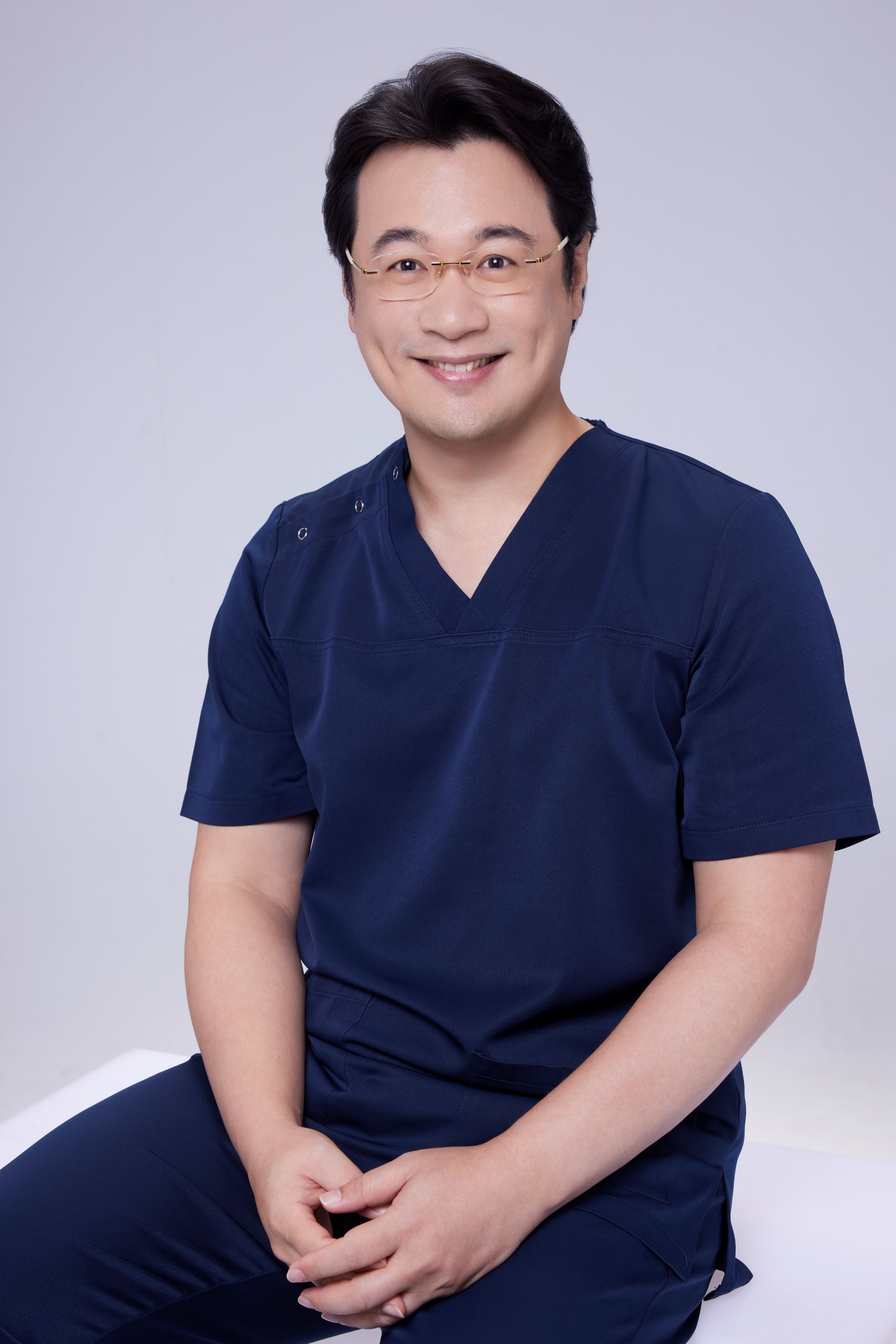
Credentials
- Kaohsiung Medical University, School of Medicine
- Attending Physician, Dermatology, Kaohsiung Chang Gung Memorial Hospital
- Attending Physician, Aesthetic Center, Kaohsiung Chang Gung Memorial Hospital
- Visiting Physician, Dermatology, Xiamen Chang Gung Hospital
- Visiting Physician, Aesthetic Center, Xiamen Chang Gung Hospital
"For every surgery, I strive to achieve a good outcome through a small incision and refined technique. Minimally invasive surgery is not just a technique — it's a commitment of respect to every patient."
Want to learn more?
Schedule a consultation for professional evaluation and advice