Female Intimate PRP and Mesotherapy: How They Work
Some symptoms find no explanation in gynecology — hormone levels are normal, no infection, nothing abnormal — yet dryness, reduced sensitivity, and mild urinary discomfort persist. After some research, you come across "intimate PRP" and "intimate mesotherapy," which often appear together, as though they're two names for the same thing.
They are not. This article separates the two mechanisms.
PRP: Growth Factor Signaling from Concentrated Platelets
The logic of PRP (platelet-rich plasma) comes from wound healing research. Platelets in the blood normally handle clotting and initiating tissue repair. When injury occurs, platelets gather at the wound and release growth factors, signaling surrounding cells to divide, synthesize collagen, and grow new blood vessels.
Intimate PRP brings this mechanism into mucosal tissue. A small amount of venous blood is drawn from the arm, concentrated by centrifugation to isolate the platelet layer, then injected into specific sites in the vaginal wall or external vulva. Upon injection, platelets activate and release several key growth factors:
- PDGF (platelet-derived growth factor): stimulates fibroblast proliferation, driving new collagen synthesis.
- TGF-β (transforming growth factor): regulates tissue remodeling, improving mucosal structure and elasticity.
- VEGF (vascular endothelial growth factor): promotes microvascular angiogenesis, improving local blood flow and mucosal nourishment.
- EGF (epidermal growth factor): supports epithelial cell regeneration, repairing the surface mucosal layer.
These factors don't directly supply building materials; they send a signal to trigger regeneration. The body itself carries out the actual collagen synthesis and microvascular growth. Effects are therefore gradual: noticeable improvement typically begins 4 to 8 weeks after injection, and some patients need 2 to 3 treatment sessions for optimal results.
Mesotherapy: The Dispersal Logic of Multi-Point Micro-Injection
"Mesotherapy" describes an injection technique, not a specific single component.
The defining characteristic of mesotherapy is multi-point, micro-dose, dispersed injection. Each injection site receives a very small volume, but the points are dense, allowing repair components to permeate broadly and evenly through the tissue. This matters in intimate areas: the surface area of the vaginal wall is much larger than facial injection sites, and concentrated injection cannot distribute components evenly; multi-point injection is required to achieve therapeutic concentration across the entire mucosal surface.
Injection depth typically targets the submucosal layer, deeper than the dermal layer used in facial hydration treatments. Injected components vary by treatment plan: hyaluronic acid for hydration and matrix support, PRP for growth factor supply, compound vitamins and amino acids to provide the raw materials mucosal cells need for repair.
Hydration improvement is felt relatively quickly because components like hyaluronic acid directly supplement local moisture; the collagen-promoting effects likewise require weeks to months to fully manifest.
Comparing the Two Approaches
| Dimension | PRP | Mesotherapy |
|---|---|---|
| Mechanism | Growth factors trigger collagen regeneration | Multi-point micro-injection delivers repair materials |
| Components | Autologous platelet concentrate | Hyaluronic acid, PRP, vitamins, amino acids, etc. |
| Primary targets | Collagen synthesis, microvascular angiogenesis | Hydration, even mucosal nourishment |
| Effect timeline | Gradual over 4–8 weeks | Hydration faster; collagen takes weeks |
| Autologous material | Yes (from patient's own blood) | Partially (if PRP is included) |
Key point: PRP delivers the signal to initiate regeneration; mesotherapy provides the materials needed for repair. They operate at different levels and can complement each other when used together.
Conditions Most Commonly Evaluated for These Therapies
Menopause and GSM (genitourinary syndrome of menopause): After estrogen decline, vaginal mucosal atrophy, reduced natural lubrication, and decreased tissue elasticity are the primary application areas for PRP and mesotherapy. Supporting research continues to accumulate; your physician will discuss appropriate strategies based on your individual case and the current evidence.
Postpartum intimate recovery: Tissue stretching from childbirth may leave some women with reduced sensitivity or worsened dryness. Regenerative therapy aims to support tissue repair but does not replace pelvic floor rehabilitation, which addresses functional issues; the two can proceed in parallel.
General aging: Even with normal hormone levels, tissue continues to age, with declining mucosal blood flow and collagen loss. Symptoms are reason enough for evaluation; there is no need to wait until "something shows up on a test."
Conditions requiring prior clearance: Active infections (candidiasis, bacterial vaginosis), vulvar skin conditions (such as lichen sclerosus), and confirmed gynecologic malignancy are situations where regenerative injections are ineffective or inappropriate; the underlying condition must be treated first.
To get an initial read on your symptoms before a clinic visit, try the FSFI-6 Female Sexual Function Index as a preliminary reference.
Realistic Expectations
Individual variation in outcomes is considerable, influenced by the tissue's starting condition, lifestyle factors, treatment plan design, and personal healing response.
Most patients begin to notice improvement around one month after PRP injection; full effects are typically assessed at three months. Mesotherapy's hydration effects appear sooner, but the collagen-promoting timeline is similar.
Key point: Regenerative therapy is not a one-time fix. Tissue continues to age, and periodic maintenance is appropriate. Maintenance session intervals are determined at follow-up based on initial response and individual results.
Frequently Asked Questions
Does intimate PRP require a large blood draw?
Typically only 20 to 30 ml of venous blood is needed, far less than a blood donation. The PRP volume after centrifugation is smaller still, and the actual injection volume depends on the treatment area and plan.
Since PRP comes from my own blood, is there a rejection risk?
Rejection risk with autologous material is extremely low. Common post-treatment reactions are temporary swelling or mild discomfort at the injection site, usually resolving within a few days. Patients with clotting disorders, blood diseases, or those taking certain anticoagulants should inform their physician in advance for evaluation.
How soon after treatment can sexual activity resume?
Generally, 3 to 7 days of abstinence is recommended after treatment to allow the injection sites to stabilize. Your physician will give specific guidance based on the treatment approach.
Can mesotherapy improve mild urinary leakage?
Some studies have observed that PRP injection provides auxiliary benefit for mild stress urinary incontinence, with the proposed mechanism being support and repair of periurethral tissue. However, urinary leakage requires prior evaluation of its cause and severity; regenerative therapy is one auxiliary option and cannot replace pelvic floor physical therapy or surgical evaluation.
To learn more about your specific symptoms, book a clinic appointment to discuss the right approach for your situation.
Further reading:
Specialties
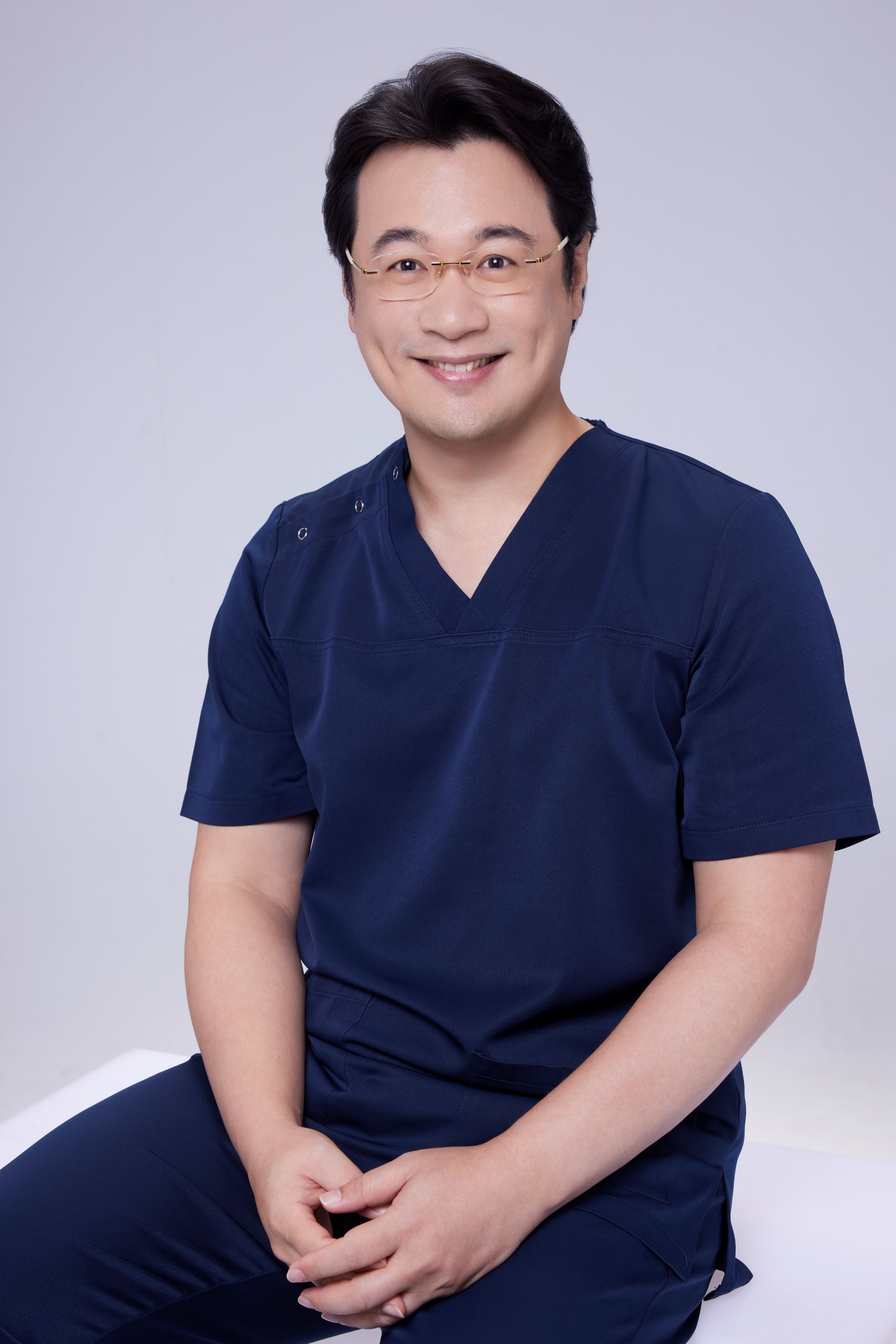
Credentials
- Kaohsiung Medical University, School of Medicine
- Attending Physician, Dermatology, Kaohsiung Chang Gung Memorial Hospital
- Attending Physician, Aesthetic Center, Kaohsiung Chang Gung Memorial Hospital
- Visiting Physician, Dermatology, Xiamen Chang Gung Hospital
- Visiting Physician, Aesthetic Center, Xiamen Chang Gung Hospital
"For every surgery, I strive to achieve a good outcome through a small incision and refined technique. Minimally invasive surgery is not just a technique — it's a commitment of respect to every patient."
Want to learn more?
Schedule a consultation for professional evaluation and advice