Shockwave and PRP for Men: Alone or Combined?
Patients often ask: "Should I do shockwave alone, or add PRP?" There's no universal answer — but there's a clear way to find the right one for you, and it starts with evaluation.
What Each Therapy Actually Does
Low-intensity extracorporeal shockwave therapy (LI-SWT) aims to improve the vascular microenvironment. Mechanical pressure waves stimulate angiogenesis (new blood vessel formation), gradually restoring microvascular density in the corpus cavernosum. This is structural restoration, and the effects accumulate over weeks, not days.
PRP works differently. Platelet-rich plasma concentrate delivers growth factors (VEGF, PDGF, TGF-β) directly to the tissue, supporting cellular repair and microvascular regeneration. Think of it less as building the road and more as supplying the materials.
The two are not the same thing. They can, however, work together.
| Low-intensity Shockwave (LI-SWT) | PRP (Platelet-rich Plasma) | |
|---|---|---|
| Primary action | Angiogenesis induction, improved penile blood flow | Growth factor delivery, tissue repair support |
| Onset timeline | Progressive accumulation over 4–8 weeks | Growth factors act over weeks post-injection |
| Typical course | 6–12 sessions, once or twice per week | 1–3 injections, case-dependent |
| Better suited for | Vascular dysfunction, microenvironment restoration | Tissue repair, growth factor supplementation |
| Can be combined | ✓ (complementary mechanisms) | ✓ |
When Monotherapy Is Usually Enough
If your IIEF-5 self-assessment falls in the mild range and the duration has been shorter, starting with shockwave alone and evaluating after a full course is a perfectly reasonable approach. Many patients see meaningful improvement without adding PRP.
When scheduling or budget constraints exist, starting with a single modality and reassessing based on response is also a sensible path, not a compromise.
For Moderate Presentations or Poor Initial Response: Combination Has a Rationale
Moderate-to-severe vascular dysfunction, longer duration of symptoms (two years or more), or insufficient response to a shockwave course: in these cases, combination therapy is often more logical.
It's worth quoting the EAU guideline in full here, because it treats the two therapies very differently. On shockwave, EAU lists it as a treatment option for vasculogenic erectile dysfunction. On PRP, EAU currently places it in the research category and states plainly that it should not be used routinely outside a clinical trial setting. The tissue-repair literature is genuinely accumulating, but accumulating is not the same as being adopted into a guideline.
So the case for combination therapy is not that both halves carry a guideline endorsement. The actual case is mechanistic: shockwave improves the microenvironment first, and only then do PRP growth factors have a more receptive tissue bed. Put plainly, that is reasoning from physiology, not a conclusion validated by large trials. Whether it's the right path depends on your own situation and on how comfortable you are with evidence at that strength, which is something to settle at the first consultation rather than discover afterwards.
For a broader comparison of the main treatment options, see Oral Medications vs. Shockwave vs. PRP: A Complete Comparison.
Key point: Shockwave improves the microenvironment (building the road); PRP supplies the growth factors (delivering the materials). The two mechanisms are non-overlapping, and for the right candidate, combining them has clearer biological rationale than either alone.
Sequence and Timing in Combination Therapy
Clinical practice generally favors shockwave first, followed by PRP injection one to two weeks later, allowing the microenvironment changes induced by shockwave to begin before growth factors are delivered. This timing gives PRP a more favorable tissue context.
Specific session counts and intervals vary by individual and are determined through initial evaluation. There isn't a fixed protocol that works for everyone.
Key point: "Shockwave first, PRP second" is the sequence with clearer mechanistic logic — but exact session counts and intervals need to be tailored to the individual after a thorough initial evaluation.
What Initial Evaluation Determines
The first visit isn't about deciding how many sessions or whether to add PRP. It's about understanding the full picture: baseline blood flow, duration of symptoms, prior treatment history, overall health status, and goals. Once that's clear, the appropriate entry point and combination strategy become much easier to determine.
Reviewing the complete guide to male intimate shockwave and PRP and the pre- and post-appointment preparation checklist before coming in can make the evaluation more efficient.
Many people find all the information they need, compare the options, and then hesitate. That's understandable; intimate health consultations carry a natural barrier. For most people, the most productive next step is simply coming in for an evaluation. There's no obligation to commit to a course on the first visit. Having a clear picture after evaluation makes the decision straightforward. Book online or come in directly.
Frequently Asked Questions
Will shockwave and PRP interfere with each other if combined?
No. They work through different mechanisms: one is mechanical stimulation, the other is growth factor delivery, so sequential use doesn't cancel out either effect. Shockwave first, then PRP, is the order with cleaner mechanistic logic.
If shockwave alone didn't help much, would adding PRP make a difference?
Possibly. Limited response to shockwave can reflect individual variation in tissue response or questions about whether the course was complete. Adding PRP's growth factors does improve outcomes in some cases. But the better step first is to return for evaluation and identify why the response was limited, rather than simply layering on another modality.
How many visits does a full combination course require?
A shockwave course typically involves 6–12 sessions; PRP usually 1–3 injections. The combined visit count is substantial, so planning the schedule at the initial consultation helps avoid disruptions midway through.
Specialties
Credentials
- Kaohsiung Medical University, School of Medicine
- Attending Physician, Dermatology, Kaohsiung Chang Gung Memorial Hospital
- Attending Physician, Aesthetic Center, Kaohsiung Chang Gung Memorial Hospital
- Visiting Physician, Dermatology, Xiamen Chang Gung Hospital
- Visiting Physician, Aesthetic Center, Xiamen Chang Gung Hospital
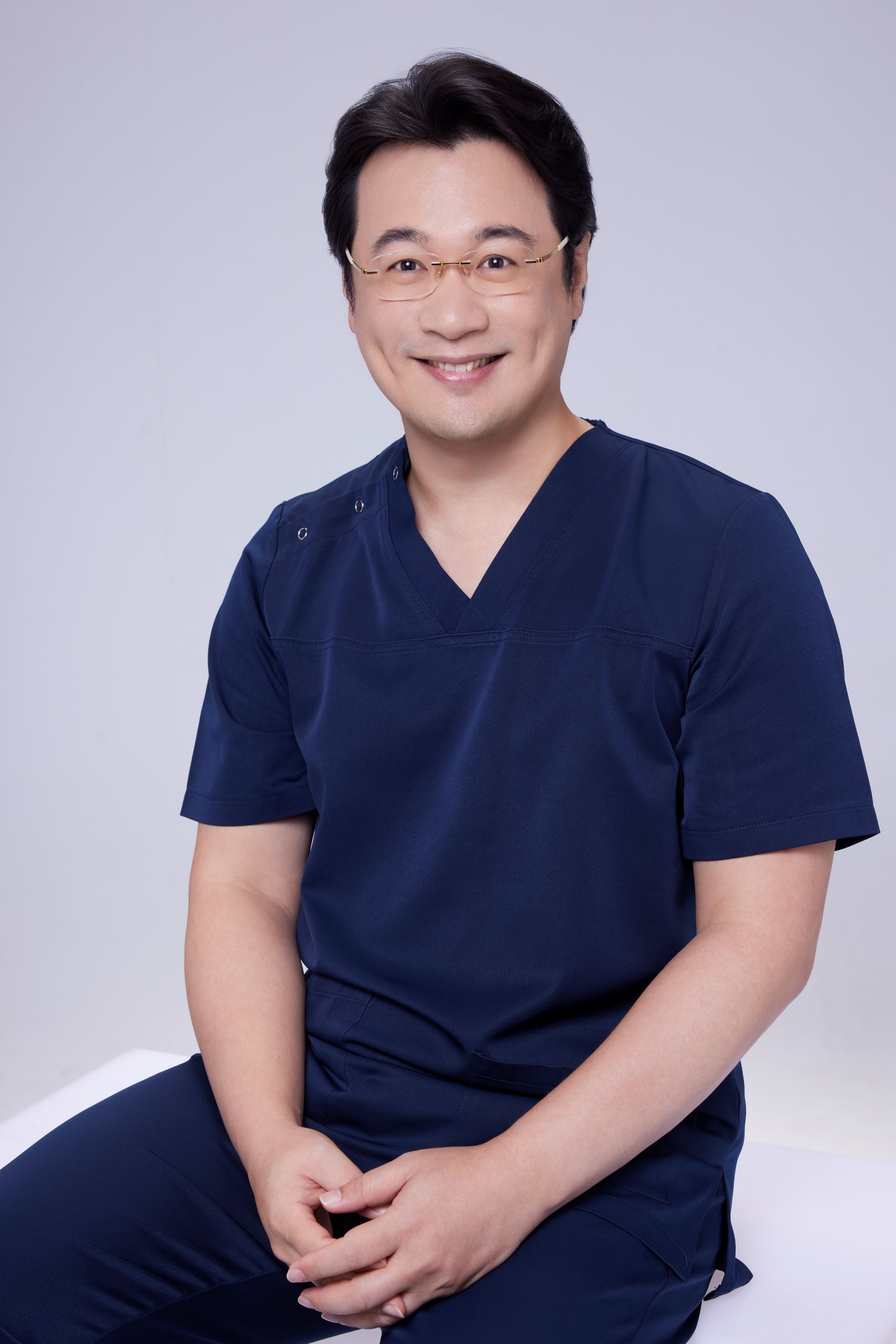
"For every surgery, I strive to achieve a good outcome through a small incision and refined technique. Minimally invasive surgery is not just a technique — it's a commitment of respect to every patient."
Want to learn more?
Schedule a consultation for professional evaluation and advice